

-In Arson Case
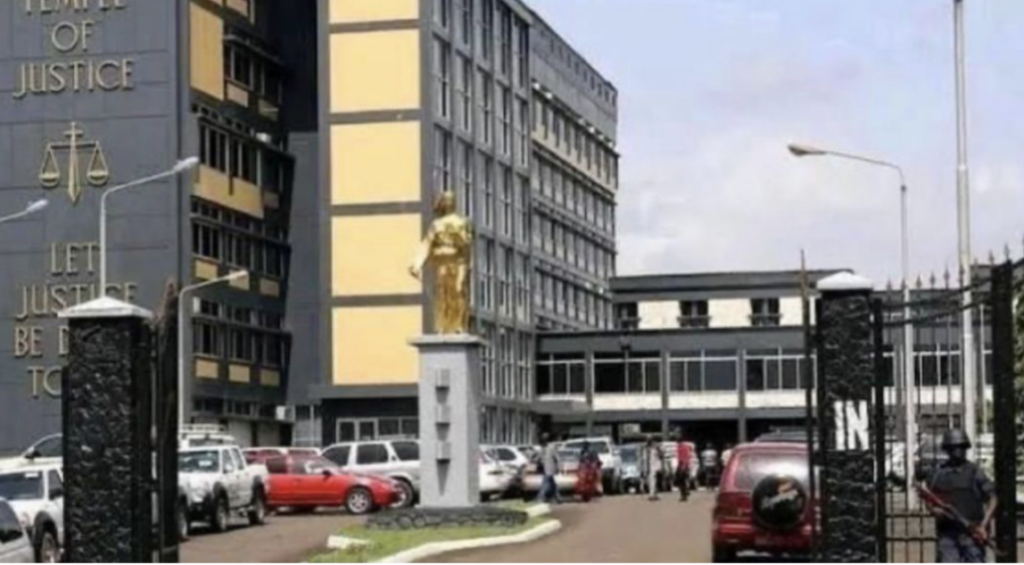
The prosecution in the ongoing Capitol arson trial has launched yet another attempt to remove a seated juror—this time targeting Juror Antoinette Mulbah—reviving concerns about what defense lawyers have consistently described as a sweeping and baseless campaign to tamper with the jury panel.
The new motion, filed on Monday, December 1, 2025, before Criminal Court “A” Judge Roosevelt Z. Willie, accuses Mulbah of lying during voir dire and secretly maintaining political ties with the opposition Coalition for Democratic Change (CDC). Prosecutors argue that her presence threatens the trial’s credibility, despite offering no independently verified proof to substantiate their claims.
According to the Ministry of Justice, Mulbah—identified as Juror J30-9550—allegedly concealed information about political involvement and her link to individuals they believe are connected to the case. The prosecution, which defense lawyers say is on a “Juror Disqualification Spread,” insists that the alleged omissions violate constitutional standards of impartiality.
Their motion includes photographs prosecutors assert to be Mulbah attending political events in some leadership capacity. However, as in previous attempts, the images are presented without sworn authentication or supporting witness testimony, raising immediate doubts over their legitimacy and relevance.
The motion leans heavily on Supreme Court opinions such as Bestman v. Lewis, Sackor v. Republic, and Doe v. Republic, arguing that removing Mulbah is necessary to uphold a public trial by an impartial jury. Prosecutors warn that allowing her to remain risks undermining the justice system—an argument similar to the one the court recently rejected for lack of evidence.
The State has therefore asked the court to remove Mulbah and replace her through the National Jury Management Office. The defense is expected to respond on Tuesday, December 2, 2025, and the court has not yet ruled.
Court Previously Rejected Prosecution’s Attempt to Remove Another Juror
The latest motion follows the prosecution’s earlier failed bid to expel Juror J30-9819 from the same Capitol arson and attempted murder trial involving former House Speaker Cllr. Jonathan Fonati Koffa and opposition lawmakers.
In that instance, the prosecution relied on two sheets of photographs they claimed were sourced from social media and depicted the juror at a political campaign event for defendant Abu Kamara. Defense lawyers immediately challenged the credibility of the images—branding them “flying sheets,” unauthenticated, unsupported by witness testimony, and legally insufficient.
Judge Willie took a direct approach, ordering Juror J30-9819 to examine the photos herself. The juror stated clearly that she was not in any of the images and explained that the woman the State claimed was her was in fact her mother. The court found the prosecution had failed to authenticate the photographs or prove any connection to the juror. The images did not match the juror’s official records, and the judge underscored that digital images can easily be manipulated.
With the prosecution unable to meet even the basic burden of proof, Judge Willie denied the request outright.
After the ruling, the court proceeded with swearing in the jurors and appointing Dickson T. Yarsiah, Jr. as Foreman and Audray Clinton as Secretary. The indictment was read without objection, and the trial was scheduled to continue on Monday, December 1, 2025.
Before adjournment, the court issued writs of contempt for bloggers Satiah A. Satiah and Benjamin Junior for attempting to interfere with the judicial process and making accusations regarding the alleged selection of Unity Party partisans for the jury.
As proceedings continue, the prosecution faces increasing scrutiny over repeated and unsuccessful attempts to disqualify jurors, while the defense maintains that these motions reflect an effort to influence the composition of the panel rather than uphold fairness. The court’s prior rulings have reinforced the defense’s position, signaling the judiciary’s unwillingness to remove jurors based on insufficient, unauthenticated, or unproven assertions.