

-PLACES JOBS AT HEART OF LIBERIA’S FINAL SPRINT TO 2030
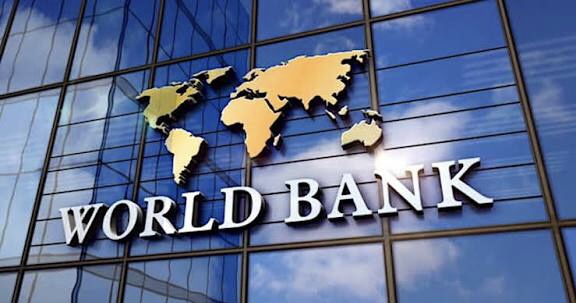
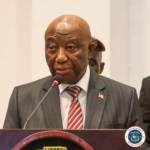
MONROVIA, Liberia – The World Bank Group (WBG) on Wednesday, December 3, 2025, launched a five-year partnership strategy for Liberia, placing the urgent creation of “more and better jobs” as the singular, unifying focus for all its support.
The new Country Partnership Framework (CPF), launched at an event in Monrovia, is designed to be the operational engine behind the government’s newly minted ARREST Agenda for Inclusive Development (AAID). Officials framed the period to 2030 as a critical sprint requiring “maximum ambition, urgency, and focus” to transform Liberia’s economy and lift per capita incomes toward $1,000.
“This is the kind of moment that Liberia now faces,” declared Georgia Wallen, World Bank Liberia Country Manager, in opening remarks. Comparing the national development journey to a relay, she stated, “The final leg is when the pressure is highest… This is what the new World Bank Group CPF aims to help Liberia achieve.”
Ms. Wallen articulated a remarkably concentrated strategy. “Everything we do, say, or write over the next five years will have this one core motivation – jobs,” she announced. This focus, she explained, is the direct pathway to achieving the AAID’s goals and the WBG’s twin mandates of ending extreme poverty and boosting shared prosperity.
The CPF will channel efforts into four foundational outcome areas deemed essential for job creation:
- Reducing learning poverty to build a capable workforce.
- Increasing energy access, critical for business and service delivery.
- Promoting transparent and accountable governance to foster a stable investment climate.
- Increasing private investment, with specific emphasis on agroindustry and sustainable forestry.
“All we do… will have a unified focus on laying foundations for jobs,” Wallen emphasized, noting that resilience—climate, fiscal, and social—will be integrated across all efforts, with special attention to youth and women.
Echoing and expanding on the jobs theme, Nathalie Kouassi Akon, IFC Division Director for the Gulf of Guinea Cluster, placed Liberia’s challenge within a continental demographic wave. “Liberia reflects this global trend: 57% of the population is already of working age, and this share will continue to grow. This is Liberia’s greatest asset – but only if the economy creates enough pathways for young people to thrive.”
Ms. Akon highlighted the indispensable role of the private sector, which creates nearly 90% of Africa’s jobs. She argued that unlocking this potential requires “reliable infrastructure, predictable and transparent regulations, accessible and affordable financing, and markets that inspire investor confidence.” The CPF, she said, is the WBG’s collective blueprint to strengthen these foundations.
She pointed to major global WBG initiatives that will be leveraged in Liberia, including Mission 300, aimed at expanding energy access, and AgriConnect, designed to modernize agribusiness. Liberia is among the first twelve countries to conclude a compact under Mission 300, signaling a shared priority.
In a poignant link between economic progress and social justice, Ms. Akon connected the launch—occurring on the 9th day of the 16 Days of Activism Against Gender-Based Violence—to the core economic agenda.
“Safe environments – at home, in schools, in communities, and in the workplace – are essential for national development,” she stated firmly. “When women are safe, they can pursue education, access job opportunities, and fully participate in economic life.” She reaffirmed the WBG’s commitment to stand with Liberia in advancing women’s safety, empowerment, and leadership as a non-negotiable component of inclusive growth.
Both officials stressed that the CPF emerged from extensive consultation with the Liberian government, development partners, the private sector, youth, and civil society. “We started the CPF in a consultative way, and we will continue to maintain a consultative, partnership approach,” Wallen said.
Ms. Akon concluded by framing the launch not as a culmination, but a starting gun. “The CPF is not the finish line – it is the beginning of a new cycle of delivery. It commits all of us… to work with renewed ambition and urgency.”
As Liberia enters what its partners call the “last stretch” to its Vision 2030, the World Bank Group has positioned itself as a committed ally in the race, betting that a relentless, unified focus on job creation is the key to reaching a prosperous and inclusive finish line.