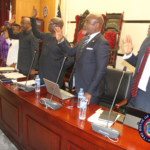



The dedication of the Unity Party headquarters in Oldest Congo Town was presented by President Joseph Nyuma Boakai as a triumph of resilience and unity. His speech invoked history, honored fallen partisans, and celebrated Liberia’s rising international stature. For supporters, the event was a moment of pride—a return to a home once lost, now reclaimed.
But beneath the celebratory tone lies a troubling question: what does this symbolism mean for ordinary Liberians who continue to struggle with daily survival?
The Politics of Prestige
The headquarters dedication, complete with fundraising and political fanfare, underscores a familiar pattern in Liberian politics—lavish investment in party infrastructure while citizens grapple with rising food prices, unemployment, and inadequate public services. Opposition parties have rightly pointed out that thousands of U.S. dollars were spent on political assets at a time when many Liberians cannot afford basic necessities.
This is not simply about optics. It is about priorities. A government that claims to champion accountability and reform must demonstrate that its resources and energy are directed toward alleviating hardship, not reinforcing political prestige.
Governance Under Scrutiny
The criticisms are compounded by allegations that government officials have violated Liberia’s Code of Conduct, engaging in conflicts of interest and partisan activities while in office. These accusations strike at the heart of the ARREST Agenda—Boakai’s flagship promise of accountability, reform, economic stability, service delivery, and transparent governance.
If the administration cannot enforce ethical standards among its own officials, then its credibility in delivering reform is severely undermined. Symbolic victories, such as Liberia’s re-election to the IMO Council or its upcoming seat on the UN Security Council, risk being overshadowed by domestic failures in governance and integrity.
The Real Test of Leadership
President Boakai is correct that transformation is not an event but a sustained process. Yet transformation requires more than speeches and ceremonies. It demands discipline in governance, prioritization of citizens’ welfare, and strict adherence to ethical codes.
The Unity Party headquarters may stand as a monument to resilience, but monuments do not feed families, create jobs, or restore trust in government. The real test of leadership lies in whether the administration can translate symbolism into substance—ensuring that ordinary Liberians feel the impact of governance in their daily lives.
Until then, the dedication of the Unity Party headquarters will remain a powerful symbol, but one that risks being remembered as a distraction from the deeper work of nation-building.