

-As AI-Generated Inaudible Audio Admitted in Trial”
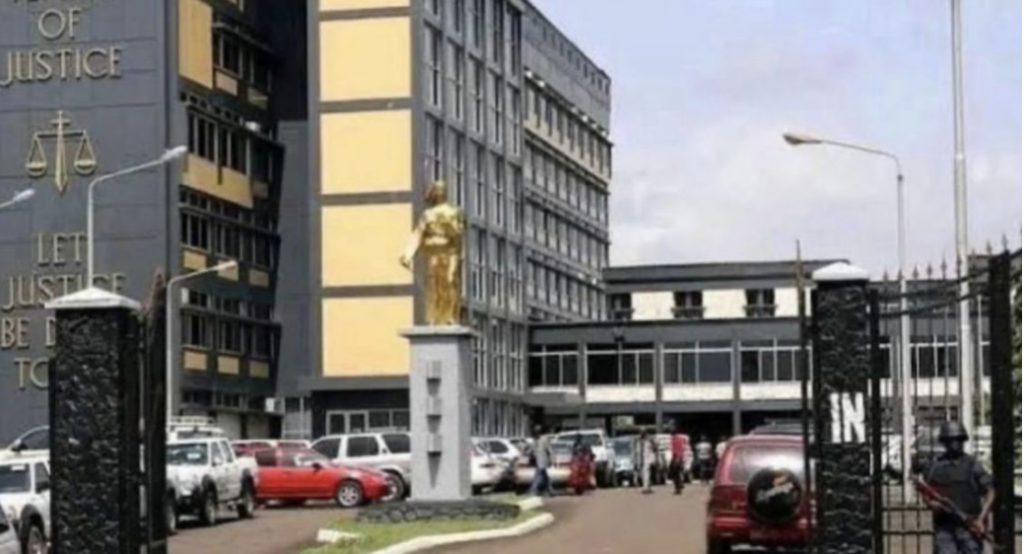
Monrovia, Liberia The prosecution’s case in the ongoing Capitol Building arson trial suffered a setback on Tuesday after a central audio recording presented as key evidence proved largely inaudible when played in open court. Despite the defense’s objections, Criminal Court “A” Presiding Judge Roosevelt Z. Willie ruled that the recording would be admitted into evidence.
Former House Speaker Cllr. Jonathan Fonati Koffa and several co-defendants are standing trial for allegedly orchestrating the December 18, 2024 fire that damaged portions of the Capitol Building. They face multiple charges, including arson, criminal conspiracy, reckless endangerment, release of destructive forces, and attempted murder.
On December 9, 2025, the prosecution presented Rafael Wilson, a criminal investigator with the Liberia National Police, as its first witness to authenticate an audio clip allegedly extracted from a defendant’s mobile phone. The recording purportedly captures the accused conspiring to commit the crime.
Defense lawyers challenged Wilson’s testimony, arguing that he neither extracted the audio nor possesses qualifications as a voice analysis expert. They further claimed that the file was obtained from the phone of defendant Thomas Ethride by a national security officer identified only as Jay Jay, making Wilson an unsuitable witness under evidentiary rules.
The defense also alleged that the audio was AI-generated, lacked a proper chain of custody, and had no certified transcript—all grounds, they said, for exclusion.
Judge Willie, however, ruled that the recording was admissible, stating that “AI cannot be hearsay” and that the court’s concern was “not how the statement was made but whether it speaks the truth.”
Although the prosecution said the recording came from a mobile phone, it was ultimately played in court from a computer flash drive. The audio was so distorted that murmurs rippled through the courtroom, as neither the judge, jurors, nor spectators could decipher the contents with clarity.
Despite this, Judge Willie allowed the audio to be marked and submitted to the jury as evidence, noting that “once an instrument is testified to, it must be admitted.”
In addition to the recording, the prosecution introduced an empty Clorox bottle and a box of matches as physical evidence. Defense lawyers objected, arguing that the matchbox differed from the one presented during the defendants’ initial hearing at the City Court.
Judge Willie determined that markings on the matchbox labeled “ROX” in one image and “FOX/ROX” on the submitted item were sufficiently similar for the box to be admitted for testing.