

Monrovia: President Joseph Nyuma Boakai won the November 14, 2023, runoff election with 50.64 percent of the votes, 20,567-vote margin ahead of former President George Weah who accumulated 49.36 percent of the votes. Weah had already conceded defeat days before the final results based on the results of more than 99.98 percent of the polling stations. President Boakai was inaugurated on January 22, 2024, and as many expected, his ascendancy didn’t overlook women’s representation in his administration.
By Jerromie S. Walters/wjerromie@womenvoicesnewspaper_i2sktp
31.6% to 39% of key positions are held by women. Recent analyses show varying figures for women’s representation in President Joseph Boakai’s administration, reflecting changes in cabinet appointments up to late 2025. Initial reviews in 2024 noted 6 women out of 19 key offices, equating to 31.6%, exceeding Liberia’s 30% gender quota target. By April 2025, reports indicated 7 women ministers out of 19, or 39%, marking the highest ratio in the country’s history.
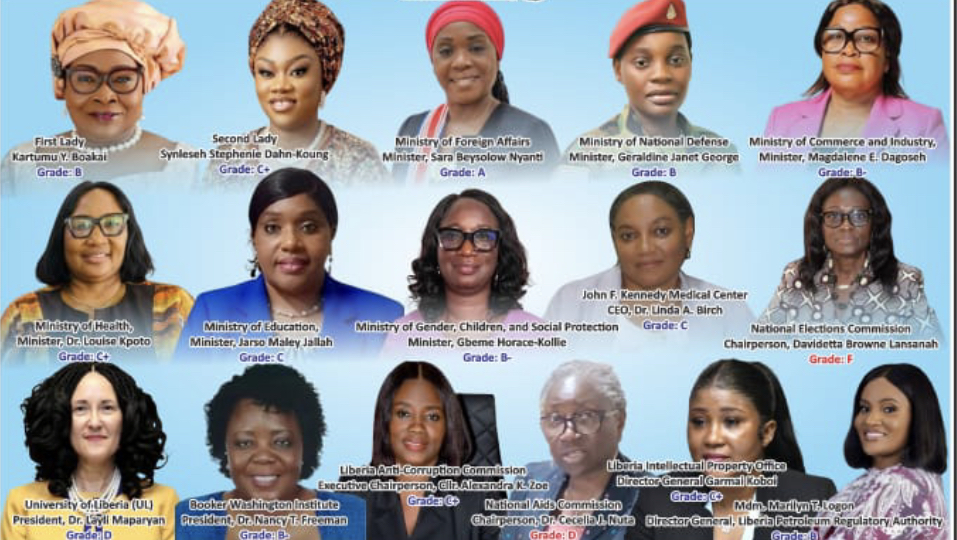
In this report card, WomenVoices Newspaper presents an objective, graded assessment of the 2025 performance of prominent women in Boakai’s administration, evaluating their impact against their mandates and the nation’s needs as his government approaches its third year. The Liberian Leader has achieved major feats, including Liberia’s election to the United Nations Security Council as a Non-Permanent Member for the 2026 to 2027 term, significant growth of the national budget, which reached 1.2 billion United States dollars for the first time in Liberia’s history, and others. While there were also lapses, the favorable and unfavorable were achieved with the help of the women.
First Lady
Kartumu Y. Boakai
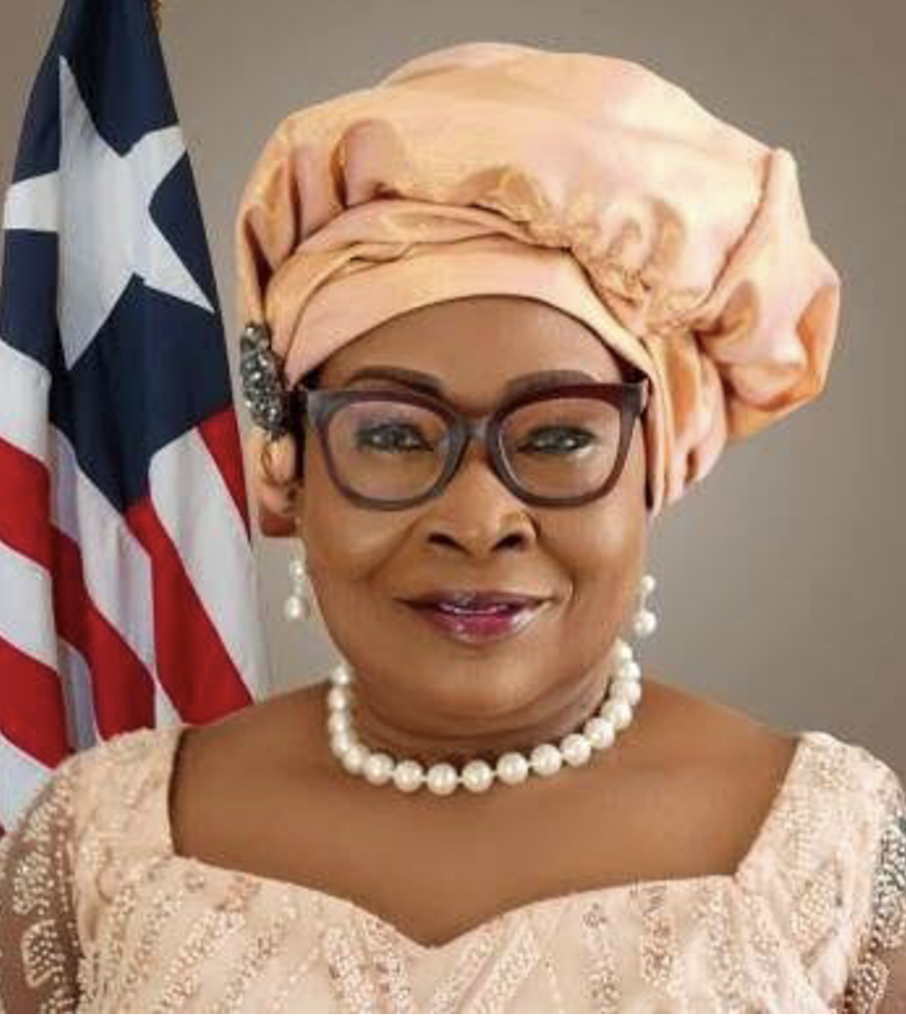
First Lady Kartumu Y. Boakai unveiled a multi-million dollar vision for a KYB Foundation Multipurpose Complex during a fundraising birthday gala in August. She declared the planned facility a “sanctuary for mothers” and a “training ground for youth” intended to offer integrated health, education, and community services. In September, she rallied global health leaders at a conference in Pennsylvania, seeking partners for a separate $4 million Multi-Purpose Village focused on maternal health and autism care. She challenged fellow African First Ladies in Gambia during October, urging them to become the “moral spine of leadership” and move beyond ceremonial duties.
During the UN General Assembly in New York, she helped launch a major OAFLAD campaign to build resilience for women and girls facing climate change and conflict. Her office, in collaboration with the Merck Foundation, awarded over 75 full scholarships to Liberian medical personnel for advanced overseas training in August. In December, she delivered a keynote address in Sierra Leone, demanding that African governments invest directly in women-led climate and peacebuilding solutions.
She led a presidential delegation to Accra, Ghana, in November to represent Liberia at the funeral of former Ghanaian First Lady Nana Konadu Agyeman Rawlings. While in Accra, she participated in a high-level OAFLAD meeting on the elimination of mother-to-child transmission of HIV and other diseases. The First Lady also attended a private dinner in Ghana celebrating the 81st birthday of her husband, President Joseph Nyuma Boakai.
Grade: B
Second Lady
Synleseh Stephenie Dahn-Koung
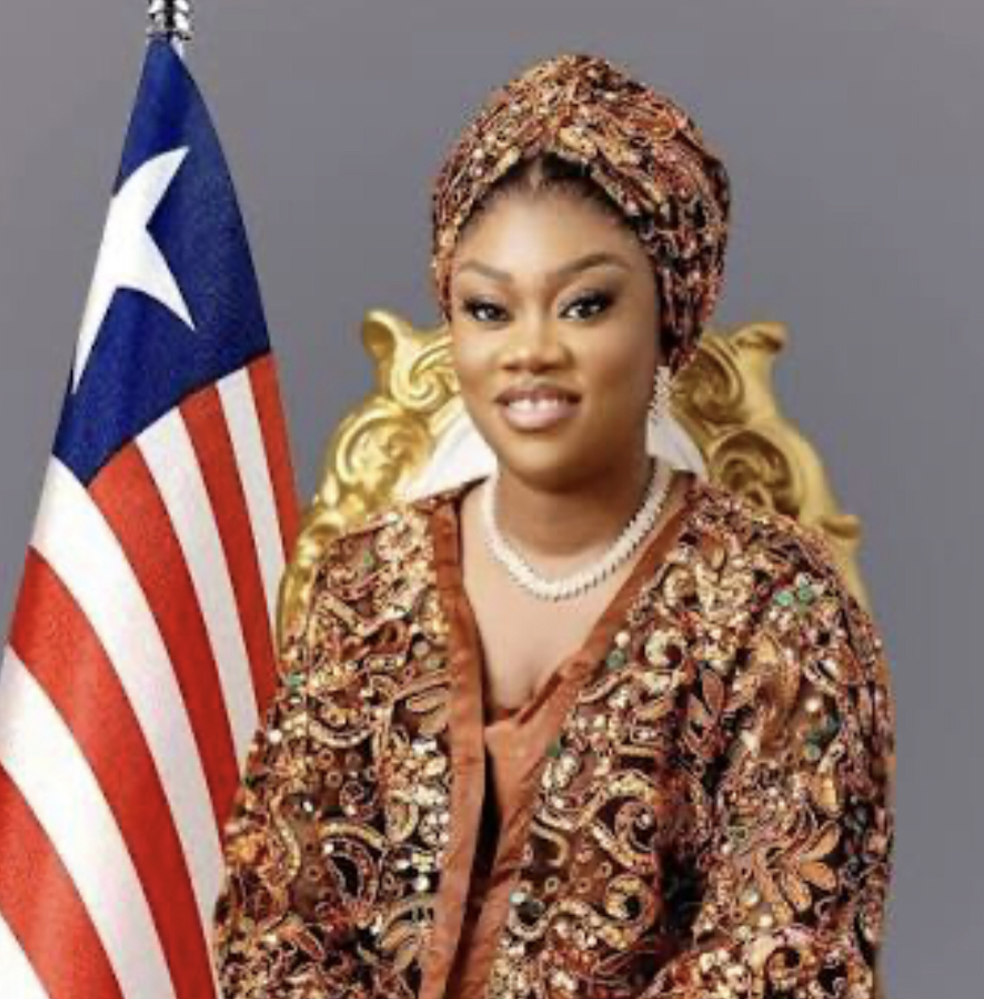
Second Lady Synleseh Stephenie Dahn-Koung officially launched the national Empower-Her Program for women with disabilities at Paynesville City Hall in October. The initiative will provide vocational training in tailoring, catering, and soap making to hundreds of selected beneficiaries from Montserrado County. Her office signed a four-year international partnership with the Startup Grow Foundation of Morocco to foster entrepreneurship and skills transfer in February.
She hosted a landmark National Conference on the Status of Women Living with Disabilities in March, gathering over 1,500 participants to chart a path for inclusion. A groundbreaking ceremony for a $5 million National Resource Center and Group of 77 Residence was held in Brewerville in February, promising housing and a school for persons with disabilities. Residents at the existing Group of 77 compound on Newport Street report living in complete darkness due to a persistent lack of electricity.
Individuals with disabilities at the facility state they suffer frequent falls and injuries while navigating the unlit premises. They explained that a previous informal arrangement for power with a neighbor was discontinued after the Second Lady’s office assumed oversight. The residents ‘ appeals to the Second Lady’s office to secure a formal connection from the Liberia Electricity Corporation have so far been unsuccessful. The Second Lady’s office has not publicly addressed the ongoing electricity crisis at the Newport Street facility it supervises.
Grade: C+
Ministry of Foreign Affairs
Minister, Sara Beysolow Nyanti
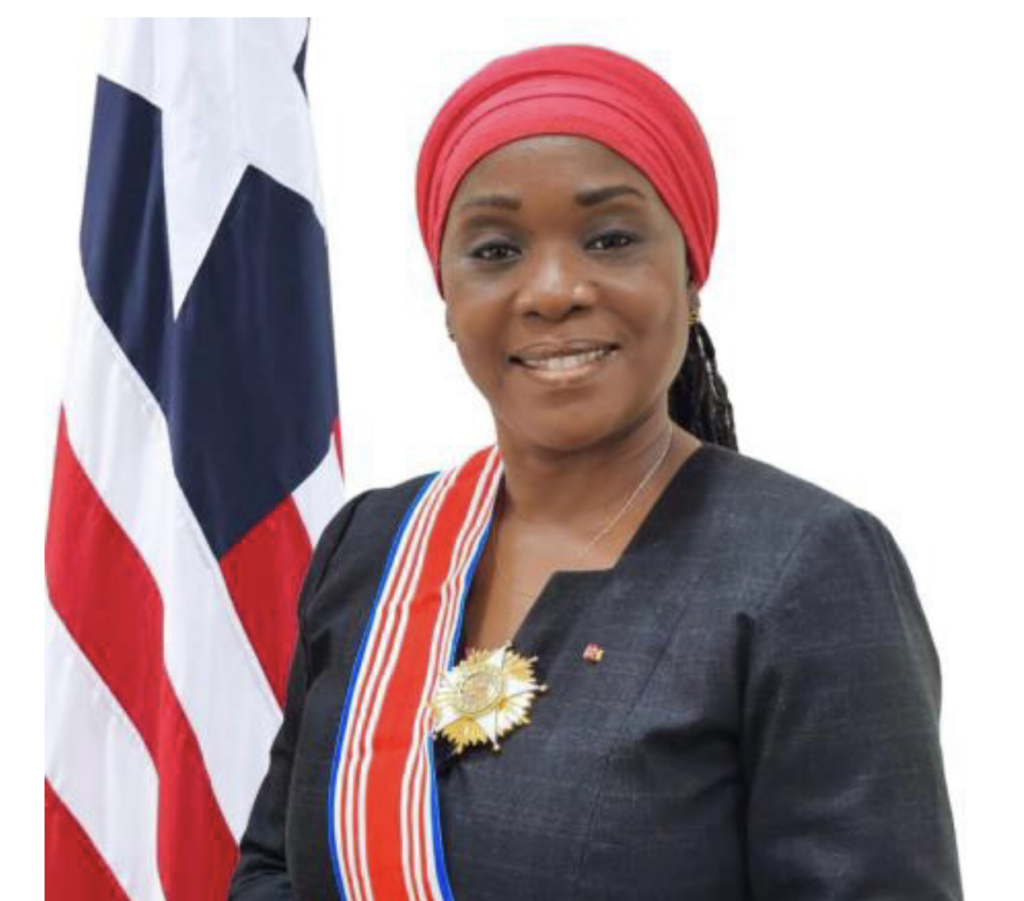
Foreign Minister Sara Beysolow Nyanti secured a defining diplomatic victory for Liberia in 2025, securing the nation’s election as a Non-Permanent Member of the United Nations Security Council for the 2026-2027 term. The achievement, a result of intensive lobbying and coalition-building, marks a significant return of Liberian diplomacy to the highest echelons of global power and decision-making. In a parallel bilateral success, Minister Nyanti finalized an astonishing $124 million Memorandum of Understanding with the United States State Department in December, an agreement touted as the first of its kind in West Africa.
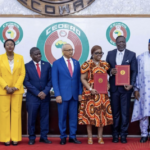
On Thursday, December 11, 2025, the Government of Liberia, represented by Sara Beysolow Nyanti, Minister of Foreign Affairs and Dean of the Cabinet, along with the President of the ECOWAS Commission, Dr. Omar Alieu Touray, signed a landmark Host Country Agreement for Liberia to serve as the home of the ECOWAS Youth Development Center.
The Ministry of Foreign Affairs also delivered a concrete improvement for Liberian citizens by successfully negotiating a major extension of U.S. visa validity periods. The revised reciprocity schedule, which took immediate effect, increased the validity for B-1, B-2, and combined B1/B2 visas from 12 months to 36 months. Domestically, the Minister initiated a sweeping recall of all diplomatic passports to root out illegal issuance and misuse, a move followed by a stringent reissuance process under updated guidelines. The foundational Foreign Service Manual also underwent a comprehensive review and update to align with contemporary diplomatic practices.
Minister Nyanti’s office reported steady progress on initiatives designed to stimulate economic activity, including advancing policy work for a visa-on-arrival regime intended to facilitate trade and tourism. Efforts were also made to ensure Liberia maintained adequate and effective diplomatic representation in partner nations abroad. The ministry stated it consistently worked to promote a positive image of Liberia and advance its foreign policy objectives through various international engagements and forums.
A significant and controversial element of the year’s diplomacy was the negotiation of a $125 million health sector agreement with the United States. The deal faced fierce criticism from civil society organizations, legal experts, and opposition legislators who argued it compromised national data privacy, infringed upon sovereignty, and bypassed necessary constitutional oversight. Calls for the full public release of the agreement’s text and a moratorium on sensitive data-sharing clauses were not heeded, with the government supporters maintaining the criticisms stemmed from a fundamental misinterpretation.
The ministry’s reputation faced further scrutiny over a contentious deportation arrangement with the United States. The agreement to accept Kilmar Abreho Garcia, a Salvadoran national at the center of U.S. immigration policy debates, drew sharp condemnation from human rights groups and political analysts. Critics framed the move as a concession that raised ethical questions about the leverage and independence of Liberia’s foreign policy in bilateral relations with major partners.
For the upcoming year, the Ministry of Foreign Affairs’ agenda aimed at overhauling the Liberian Foreign Service. Central to this plan is the professionalization of the service to more vigorously promote and protect Liberia’s national interests on the world stage. The ministry intends to actively strengthen existing bilateral relationships while pursuing opportunities to establish new diplomatic ties in strategic regions.
A core pillar of the forward strategy is to methodically harness Liberia’s geopolitical relevance, including its historic UNSC seat, to extract maximum political and economic benefits. This involves leveraging its position within ECOWAS and other multilateral bodies to shape regional agendas and attract direct investment. The ministry also plans to continue its focus on citizen-centric services, including consular protection and support for the diaspora.
Grade: A
Ministry of National Defense
Minister, Geraldine Janet George

Brigadier General (Rtd.) Geraldine Janet George, Liberia’s pioneering female Defense Minister, oversaw a year of incremental operational progress and foundational institutional efforts within the Armed Forces of Liberia (AFL) in 2025. The most notable operational development was the formal extension of Liberian Coast Guard patrol jurisdiction up to 200 nautical miles offshore, a move that enhances the nation’s maritime security and resource protection capabilities. Concurrently, the ministry reactivated and deployed three AFL units while extending ongoing military operations along Liberia’s western borders.
Substantial resources were directed toward infrastructure refurbishment across several major military barracks. Renovations were completed at BTC Barracks, Camp Jones, Camp Whisner, and Camp Grant, projects officially aimed at alleviating congestion and improving the living standards for service members and their families. The ministry, established by legislative act in 1956, continues to administer its core programs: the AFL, the Central Administration, and the Liberian Coast Guard.
Minister George received international recognition for her trailblazing role, receiving the Global Power Women Award at the Global Power International Forum for African-Caribbean Leadership. Domestically, the Ministry of Defense was recognized by the Liberian government as one of the top three best-performing institutions during the 2025 Performance Contracts and Recognition Ceremony, cited for its efficiency and service delivery.
The ministry reported progress on internal governance, setting up implementation teams for new policy documents focused on good governance, operational excellence, and institutional resilience. These policies are intended to enhance transparency, standardize procedures, and establish robust frameworks for risk management and internal audit. A significant institutional milestone was the full activation of the AFL’s Engineering Battalion to conduct civil works projects.
In a major step toward institutional self-reliance, the ministry activated the Agricultural Battalion on February 6, 2025. The unit harvested its first yield, an expected three metric tons of swamp rice, with the stated goal of enabling the military to produce its own food and contribute to national food security. This initiative is framed as a long-term strategy to reduce government expenditure on sustenance for the armed forces.
Despite these advancements, the ministry’s public communications remained heavily focused on inputs—renovations, battalion activations, and policy drafting—rather than on demonstrable, outcomes-based improvements in national security. No major public initiatives were announced to decisively address pervasive challenges like rampant armed robbery in urban centers, illicit mining activities, or the security dynamics of porous land borders.
The ministry’s outlined objectives for the coming year suggest a continued focus on policy, personnel, and infrastructure. Key goals include the revision and amendment of the foundational National Security Strategy and National Defense Act, documents long criticized as outdated. Other priorities are the establishment of a unified school system for all military-operated schools, providing utilities to the renovated barracks, and conducting gender awareness activities across all installations.
Plans also call for the recruitment of additional personnel to augment the AFL’s strength and the further renovation and construction of housing units for military families. The ministry’s forward-looking plans are comprehensive but underscore that 2025 was primarily a year of laying groundwork rather than delivering transformative security results for the Liberian populace.
Grade: B
Ministry of Commerce and Industry,
Minister, Magdalene E. Dagoseh
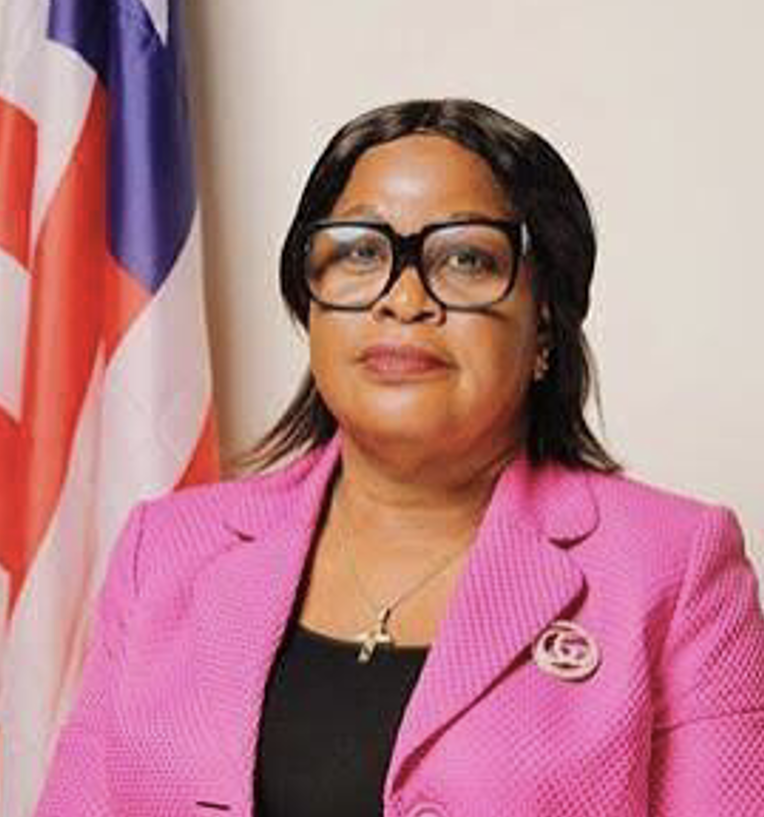
Minister Magdalene E. Dagoseh’s Ministry of Commerce and Industry (MOCI) engineered a digital revolution in business registration in 2025 with the launch of a new online platform. The system dramatically slashed processing times from an arduous three months to a promised three days, with an ultimate target of 24-hour service. This flagship reform was physically supported by the complete renovation of the Liberia Business Registry (LBR) headquarters, now equipped with solar power, enhanced ICT infrastructure, and modern security systems including CCTV.
The ministry successfully generated increased revenue through the LBR and initiated a critical decentralization policy to extend business registration services to counties outside Monrovia. In a major policy advancement, MOCI launched Liberia’s National Implementation Strategy for the African Continental Free Trade Area (AfCFTA), positioning the country to engage with the continental market. To support this, Standard Operating Procedures were drafted to streamline export and import documentation, including certificates of origin.
A landmark €24.8 million Private Sector Development (PSD) programme was officially launched in December, focusing on enhancing competitiveness and sustainability within the cassava, fisheries, and food-processing value chains. The programme explicitly aims to boost decent job creation and includes strategic interventions to promote the full participation of Persons With Disabilities (PWDs) in the labor market. Support for Micro, Small, and Medium Enterprises (MSMEs) was highly visible, including the training of 52 business development service providers and the co-launch of the Accelerated 360 Technical Assistance Program.
The ministry’s public engagement culminated in the well-attended Liberia MSME Conference & Trade Fair 2025, which featured a visit and encouraging remarks from President Joseph Boakai. Throughout the year, MOCI published monthly *Commerce Today* market bulletins to enhance price transparency, hired consultants to draft a new National Trade Policy (2024–2030), and issued tenders for a national electronic payments switch and credit reference system to strengthen the digital finance ecosystem.
However, the ministry’s year was severely marred by a damaging internal scandal over procurement. Staff publicly demanded transparency, alleging that a promised $65,000 Toyota Coaster bus was substituted with a Chinese BLK bus valued at nearly half the price. The controversy, which included allegations of discrepancies in motorbike purchases, pointed to significant internal distrust and raised public questions about the ministry’s financial management and adherence to procurement rules.
Further public scrutiny emerged regarding a $429,000 renovation of the historic Industrial Park. The ministry was compelled to issue clarifications about the park’s origins and the severe encroachment that has reduced its original 1,112 acres to approximately 200 acres currently occupied by small and medium industries. While clarifying the context, the episode nonetheless highlighted challenges in managing state assets.
For 2026, MOCI’s objectives are expansive and ambitious. They plan to further streamline LBR processes, upgrade the Inspectorate Division to combat unfair trade practices, and expand the automation of trade documentation. The ministry aims to establish additional one-stop service centers in key counties and launch feasibility studies for new industrial parks in strategic locations.
Support for value chains remains a priority, with plans to back agro-processing initiatives for cassava, rice, cocoa, and palm oil. The ministry intends to strengthen standards enforcement through the Liberia Standards Laboratory and facilitate private-sector partnerships for light manufacturing. Implementation of the National MSME Policy is slated to include targeted capacity-building programs, regional trade exhibitions, and the establishment of revolving loan schemes in partnership with local banks.
A key institutional goal is the establishment of women and youth entrepreneurship incubation centers in at least three counties. The grade reflects a year of substantial, reform-driven achievement in core areas like business climate and trade policy, which is nonetheless significantly offset by self-inflicted wounds related to procurement integrity and internal governance.
Grade: B-
Ministry of Health,
Minister, Dr. Louise Kpoto
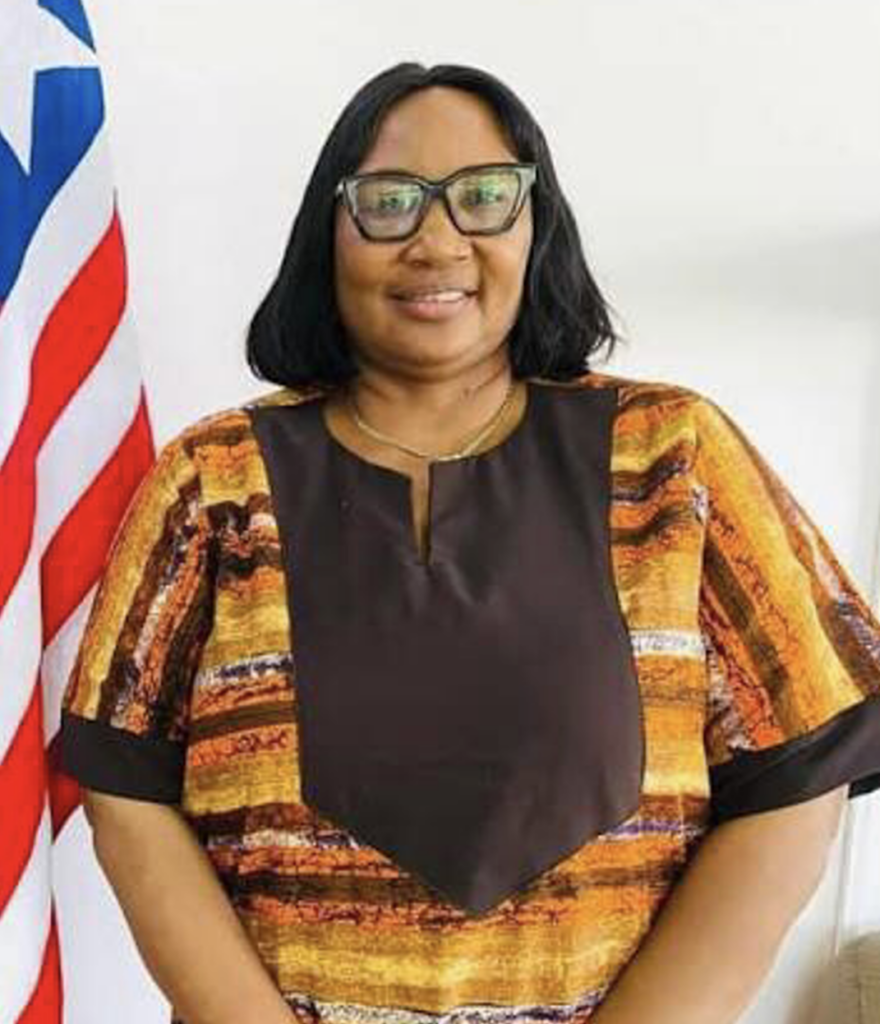
The Ministry of Health, under Dr. Louise Kpoto, reported systematic progress in digitizing and structuring Liberia’s community healthcare apparatus in 2025. Five counties—Sinoe, Maryland, Grand Kru, Grand Cape Mount, and Bong—achieved 100% household registration for the National Community Health Program, with all data entered into the national DHIS2 system. The ministry trained 3,641 Community Health Assistants and Supervisors on a digital platform, leading to reported treatment of approximately 90% of identified malaria, diarrhea, and pneumonia cases by CHAs, attributed to improved supply chains.
Significant donor-supported activities formed a pillar of the year’s work. These included a UNICEF-sponsored data backlog exercise to log historical health information into DHIS2, an assessment of hospital readiness for blood transfusion services in four counties, and the securing of procurement commitments from major partners like USAID, the Global Fund, and the World Bank. The ministry procured and distributed over $1.4 million in essential medicines nationwide and drafted a revised One Health Risk Communication and Community Engagement Strategy with GIZ support.
Internal system development continued with the creation of a Community Health Workforce e-Master List on DHIS2 and the placement of Neglected Tropical Diseases products on an electronic Logistics Management Information System (eLMIS) reported as 98% complete. The fifth cohort of Community Health Assistants was trained in Grand Bassa County, and the budget allocation for the TB Annex Hospital was increased from $80,000 to $100,000, though disbursement challenges were acknowledged.
Despite these structured programmatic advances, the ministry’s fundamental challenge of delivering consistent, reliable care at major health facilities appeared to worsen. Reports from across the country indicated that government-run health centers and hospitals, including the flagship John F. Kennedy Medical Center, chronically lacked essential medications, basic equipment, and functional infrastructure. This crisis at the point of care created a stark disconnect between data reported from community programs and the reality facing patients at clinical facilities.
A grave scandal that captured national attention involved the widespread presence of “fake doctors” performing serious medical procedures in government facilities. The issue became so alarming that it prompted direct scrutiny and summons from the House of Representatives, indicating a catastrophic failure in regulatory oversight, credential verification, and facility management within the public health system.
The ministry’s objectives for 2026 are overwhelmingly and almost exclusively focused on rectifying the crises at the John F. Kennedy Medical Center and its affiliates. Goals include expanding specialized services, ensuring 100% availability of quality drugs at JFK, the Maternity Center, and E.S. Grant Mental Health Hospital, and installing modern diagnostic equipment at the JFK Imaging Center by December 2026.
Further objectives aim to offer round-the-clock safe maternal and child health services, improve access to mental health and neurological care, institutionalize quality management, strengthen nursing standards, and upgrade water and sanitation facilities at the three key hospitals. The fact that these basic, operational necessities constitute the primary forward agenda is a damning indictment of the depth of the systemic failure that persisted through 2025. The grade acknowledges diligent work on community health systems but judges the ministry harshly for its inability to ensure the functionality of the nation’s core healthcare institutions.
Grade: C+
Ministry of Education,
Minister, Jarso Maley Jallah

The Ministry of Education’s 2025 was characterized by a profound dichotomy between isolated, positive milestones and a systemic, debilitating collapse in its core function. A notable achievement was the dedication of two new Senior Secondary Schools in Bong and Nimba Counties. In a landmark development for technical education, Liberia launched its first-ever TVET teacher training program at the newly established TVET Center for Professional Training, Research & Innovation, a project backed by the EU and Sweden.
The ministry also reported progress under the IRISE program, equipping 28 schools with science laboratories, and awarded a contract for Public Sector Investment Projects (PSIP). At the higher education level, it continued to coordinate efforts through the National Commission on Higher Education. The Booker Washington Institute, under its leadership, saw infrastructural upgrades and maintained its enrollment.
However, these developments were completely overshadowed by a catastrophic and unaddressed crisis in teacher compensation. The ministry’s key provision to enroll 2,000 volunteer teachers onto the government payroll remained a bureaucratic line item, failing to translate into salaries for thousands of educators who run public schools, particularly in rural areas. The situation grew so desperate that lawmakers publicly complained about having to pay teachers’ salaries from their own personal funds to prevent schools from shuttering entirely.
Minister Jallah’s failure to appear before the legislature to address this urgent national emergency exacerbated the perception of a ministry that was unresponsive, out of touch, and incapable of managing its most critical human resource responsibility. The non-payment of volunteer teachers fundamentally undermined the entire public education system, causing widespread demoralization, strikes, and school closures that robbed countless children of their right to education.
While the ministry noted it had vetted and “weeded out” incompetent County and District Education Officers, this administrative action did nothing to alleviate the classroom-level crisis. The disparity between launching a high-level TVET teacher training institute and being unable to pay the salaries of primary and secondary school teachers presented a jarring picture of misplaced priorities or severe administrative failure.
The ministry’s objectives for 2026, as outlined, are remarkably ambitious and wide-ranging. They include recruiting and training career guidance counselors, developing a national STEM policy and strategy, training 1,000 girls in coding and AI, establishing science clubs in schools, and creating a digital asset management system. Plans also involve developing a national service program policy and a strategic plan for higher education.
Further goals are to equip schools with STEM and assistive devices for students with disabilities and to provide state-of-the-art equipment for the Education Management Information System (EMIS). However, these forward-looking, technocratic plans appear disconnected from the immediate, life-threatening crisis that crippled the system in 2025. Without a concrete, urgent, and funded plan to resolve the teacher payroll disaster, all other objectives are rendered theoretical.
Grade: C
Ministry of Gender, Children, and Social Protection
Minister, Gbeme Horace-Kollie

The Ministry of Gender, Children, and Social Protection executed its flagship “Support a Child, Save the Future” initiative with notable operational scale and precision in 2025. The project successfully identified, documented, and reunified 5,465 children living in street situations with their caregivers. Of this number, 1,384 former street children were enrolled in formal education across 46 schools in Monrovia, funded by a government allotment.
The ministry provided direct livelihood support to 234 caregivers and clustered an additional 448 into 21 Village Savings and Loan Associations (VSLAs), with plans to disburse small business grants. In partnership with GiveDirectly, the ministry documented 1,000 households linked to 3,896 children for a cash transfer program, with 500 households verified and 150 receiving phones and SIM cards in preparation for funding.
On the institutional mainstreaming front, MGCSP, in collaboration with Millennium Challenge Accounts and UN Women, established 13 Gender and Social Inclusion Units across key ministries and agencies. These units developed institutional gender policies aimed at integrating gender and social inclusion into national sectoral plans and programs, a significant step toward systemic change.
The ministry’s GBV 116 call center remained operational, receiving 166 calls from 11 counties in the first quarter, of which 64 were confirmed GBV cases. The data showed persistent non-support as the largest category (48%), followed by physical abuse (14%), and rape and child labor (13% each). The department also received 60 tablets from UNICEF to enhance digital case management for child protection services.
Nevertheless, the ministry’s extensive programmatic work unfolded against a horrifying and seemingly unchecked epidemic of gender-based violence. Official ministry data revealed that 3,591 GBV cases were reported in 2024, with rape constituting a staggering 2,759 of those cases. Women were the primary victims, numbering 3,554. Montserrado County alone recorded 1,902 rapes. These statistics, shared during the pre-launch of the 16 Days of Activism in November 2025, served as a grim backdrop to all the ministry’s activities.
This stark contradiction defines the ministry’s performance: it is proficient, data-driven, and innovative in administering discrete projects and building institutional frameworks for inclusion. However, it appears unable to meaningfully affect the central, terrifying crisis within its mandate—the rampant sexual and physical violence against women and children. The chasm between successful family reintegration programs and a nation where rape is pervasive points to a societal problem on a scale that overwhelms the ministry’s current capacity, tools, and possibly its mandate.
For the coming year, the ministry aims to become a fully functional, well-resourced institution capable of rapid response. Key objectives include increasing the production and use of gender-disaggregated data for evidence-based policy and developing strategies to reduce violations against children’s rights across Liberia. The paramount challenge will be to bridge the gap between effective project implementation and launching a decisive, nationwide offensive against GBV that yields a tangible drop in the alarming statistics.
Grade: B-
John F. Kennedy Medical Center
CEO, Dr. Linda A. Birch

The John F. Kennedy Medical Center, under CEO Dr. Linda A. Birch, endured a year of profound institutional deterioration and public relations crises in 2025. While the administration reported incremental gains—such as an increase in donated newborn care items, the launch of a job training program in the Imaging Unit, and the opening of an Oncology Unit—these were drastically overshadowed by systemic failures that betrayed the hospital’s mandate as the nation’s premier referral center.
The hospital’s infrastructure reached a shocking state of disrepair, symbolically captured in March when Dr. Birch publicly disclosed that the hospital kitchen had deteriorated so severely that patients’ relatives were forced to use coal pots to prepare meals. This admission during a tour with a legislative leader laid bare the collapse of basic, essential services within the institution. Staff consistently raised alarms over inadequate staffing, critical bed shortages, and a pervasive lack of medical supplies and equipment.
A major controversy erupted in July over a leaked internal memo indicating a planned increase in registration fees for maternity and gynecological services. The memo, signed by Dr. Birch, outlined increases that would have raised obstetric visit fees to $10. The news sparked immediate public outcry, with patient advocates warning it would create insurmountable barriers to care for low-income and rural women. The institution later claimed the information was “untrue,” but the episode severely damaged public trust and revealed either poor internal communication or a troubling retrenchment from a socially sensitive decision.
The center’s objectives for 2026, which mirror those of the Ministry of Health, read as a stark admission of the catastrophic failures of 2025. They include ensuring 100% availability of drugs and medical supplies, installing modern diagnostic equipment, offering round-the-clock safe maternal care, improving mental health services, institutionalizing quality management, and upgrading water and sanitation facilities. The fact that these most basic operational necessities for any hospital are listed as *future goals* underscores how far JFK fell below acceptable standards during the year under review.
Grade: C
National Elections Commission
Chairperson, Davidetta Browne Lansanah
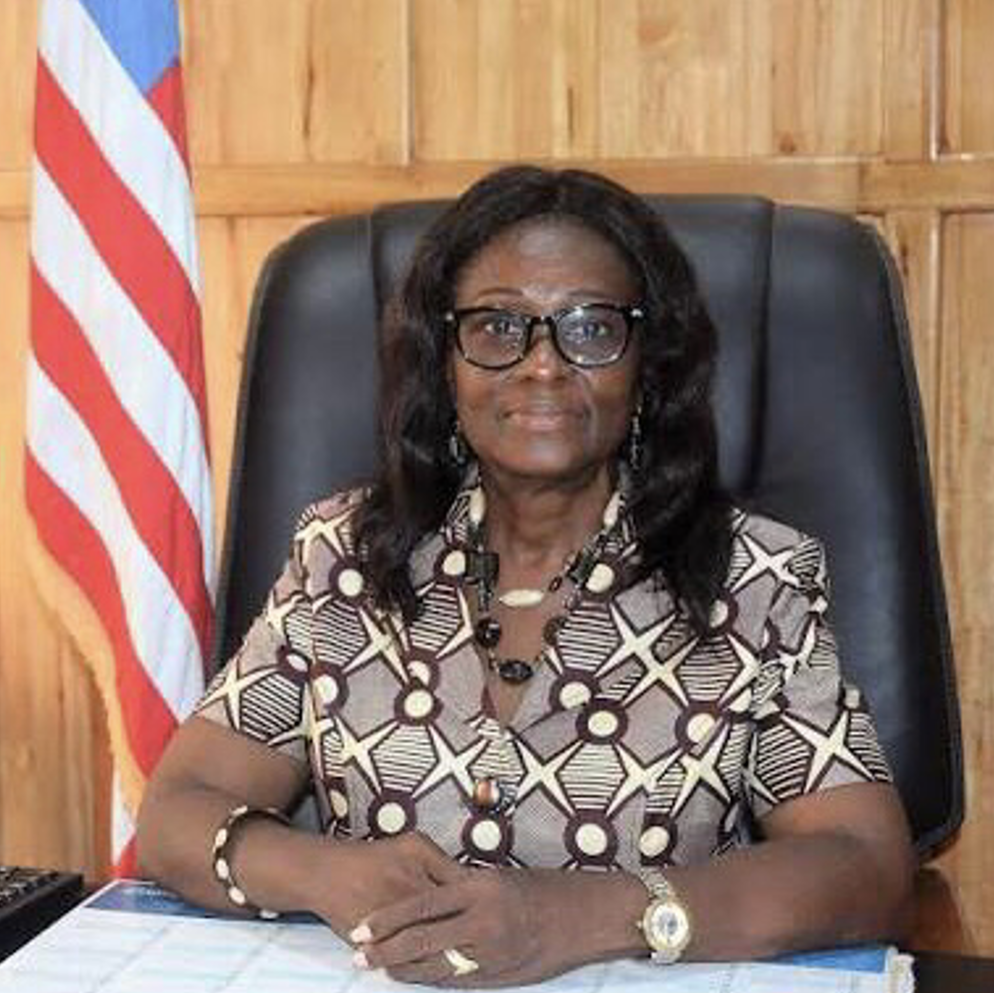
The National Elections Commission endured a year of debilitating internal crisis and leadership failure in 2025, directly stemming from the actions of its Chairperson, Davidetta Browne Lansanah. The NEC successfully conducted two bye-elections in Nimba County and conducted staff trainings in digital communication and records management. However, these routine functions were completely eclipsed by unprecedented institutional instability that threatened the body’s very credibility.
In January, President Joseph Boakai indefinitely suspended Chairperson Lansanah for “unilateral actions in violation of Liberia’s Elections Law.” An investigation revealed she had unilaterally closed the NEC office for a month and summarily dismissed 25 employees without consulting the Board of Commissioners, as required by law. President Boakai warned that her actions threatened to destabilize the Commission ahead of critical bye-elections.
This suspension was the culmination of months of turmoil, including worker protests in November 2024 over unpaid hazard benefits from the 2023 elections, which had led to the dismissal of 40 staff. The dismissed employees accused Lansanah of creating a hostile work environment and acting autocratically. Although her suspension was lifted in February following a high-level meeting involving ECOWAS, the damage to the NEC’s institutional integrity, staff morale, and public trust was severe and potentially long-lasting.
The NEC’s objectives for 2026 focus on strengthening institutional capacity, improving electoral management, and promoting inclusive participation. They plan to enhance human resources, upgrade IT infrastructure, improve voter registration processes, and advance civic education. However, the events of 2025 demonstrated that the most critical threat to the NEC was not a lack of technical plans, but a profound failure in ethical leadership, adherence to governance statutes, and the maintenance of internal stability. This failure earns the lowest possible grade, as it strikes at the heart of an institution fundamental to Liberia’s democracy.
Grade: F
University of Liberia (UL)
President, Dr. Layli Maparyan

Dr. Layli Maparyan’s first year as President of the University of Liberia was dominated by fierce student rebellion and allegations of comprehensive administrative failure. The university reported completing a full semester under a newly regularized academic calendar, graduating 2,685 students during its 104th commencement. It also awarded 42 faculty members for academic publications.
However, these achievements were rendered peripheral by a sweeping condemnation from the influential Student Unification Party (SUP). After just seven months, SUP called for Maparyan’s resignation, citing a “catastrophe” of a tenure. The students condemned persistently dilapidated classrooms, offices, and bathrooms, a complete lack of internet connectivity for an entire semester, and a failure to provide operational buses, which stranded thousands.
SUP leveled grave accusations, including that the administration had redesignated the limited-course vacation school as the official “second semester,” making education inaccessible to most of UL’s 25,000-strong student body. They cited a chaotic registration process that left students in academic limbo. Most damningly, SUP accused Maparyan of aligning with “corrupt forces” to unjustly dismiss staff, referencing the dismissal of eight employees and a Vice President without transparency. They also claimed that despite several international trips, she had “not raised a single cent” for the university.
The president’s objectives for 2026 are comprehensive, aiming to solarize campuses, provide campus-wide internet, digitize systems, renovate buildings, increase PhD faculty, and diversify revenue streams. Yet, these plans stand in stark contrast to the reality of 2025—a year defined by student outrage over regressing basic services, opaque administrative actions, and a perceived disconnect between leadership promises and the degrading daily experience on campus.
Grade: D
Booker Washington Institute
President, Dr. Nancy T. Freeman
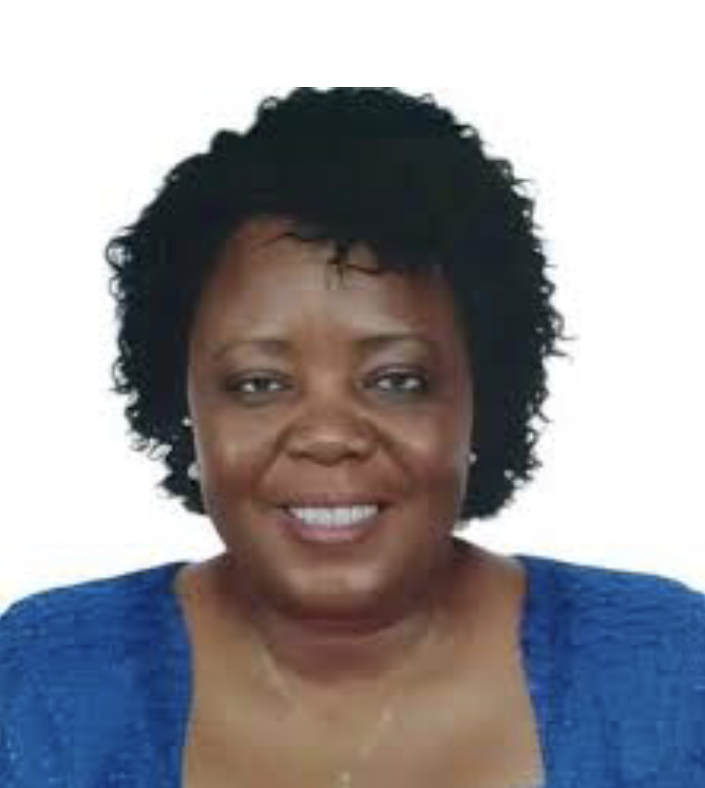
Dr. Nancy T. Freeman, BWI’s first female president, oversaw a year of steady operational progress and focused on infrastructural improvement at the historic technical institute in 2025. The institution maintained a robust enrollment of 1,955 students and graduated 234 regular TVET students, along with 145 Post-Secondary National Diploma students and 150 short-term course participants.
Tangible infrastructural upgrades were a clear focus. The administration completed the renovation and full equipping of a digital lab, a critical resource for modern technical education. Significant investments were made in facilities: three residential buildings were re-roofed, four dormitories were renovated, and the Principal’s Wing of the administrative building was refurbished. These projects addressed long-standing maintenance issues and improved the learning and living environment for students and staff.
President Freeman’s leadership is explicitly oriented toward a transformative long-term goal: elevating BWI to a technical university standard. The achievements of the year, while largely incremental and focused on core operations and infrastructure, appear strategically aligned with this broader vision of institutional advancement and capacity building. There were no major public scandals or operational crises reported, indicating stable management.
The institute’s objectives for 2026 continue this trajectory, focusing on investment in staff development, enhancing student recruitment and retention programs, and improving logistics capacity. The overarching aim remains the elevation of BWI to a Technical University, a goal that would mark a historic shift in Liberian higher education. The grade was influenced by its scandal-free year of management, and developmental groundwork that positions the institute for its ambitious future, though the ultimate test of achieving university status lies ahead.
Grade: B-
Liberia Anti-Corruption Commission
Executive Chairperson, Cllr. Alexandra K. Zoe

The Liberia Anti-Corruption Commission reported a mixed record of procedural enforcement and high-profile vulnerability in 2025. On the enforcement side, the LACC achieved a significant milestone by securing two convictions—in cases involving the Planned Parenthood Association of Liberia and Bong Mines Hospital—and obtained seven indictments. It completed asset verification for 55 past and present officials from 2018-2024 and reported an 81.8% compliance rate in its asset declaration exercise, with 2,366 officials declaring.
The commission expanded its public outreach, conducting training workshops in 12 counties and deploying 70 community volunteers in six counties under a UNDP-funded Social Accountability Project to gather intelligence on corruption. It also made strides toward decentralization, assessing office spaces in Bomi and Bong counties for regional offices and submitting a renovation proposal to the Ministry of Finance.
However, the LACC’s year ended with a severe blow to its credibility. In December, Jefferson Tamba Koijee, Secretary General of the opposition CDC, publicly accused the LACC of participating in a scheme to divert state funds to finance the ruling Unity Party’s new headquarters. As evidence, he presented images of two checks purportedly issued by the LACC for large sums made out to individuals.
The LACC swiftly dismissed the allegations as “baseless and politically motivated,” stating its operations are governed by strict internal controls. Crucially, however, the Commission’s rebuttal did not clarify whether the checks were legitimate payments for institutional purposes or forgeries, leaving a critical question unanswered in the public domain. This episode exposed the LACC to potent allegations of political capture and severely undermined its hard-won image as an independent body.
The commission also cited persistent challenges, including delayed funding, inadequate staffing and logistics, and judicial delays that hamper prosecution. These operational constraints, combined with the December scandal that it failed to conclusively dispel, significantly offset its procedural gains. The grade mirrors an institution that is active and building capacity but remains acutely vulnerable to perceptions of politicization, which is fatal to its mandate.
Grade: C+
National Aids Commission
Chairperson, Dr. Cecelia J. Nuta
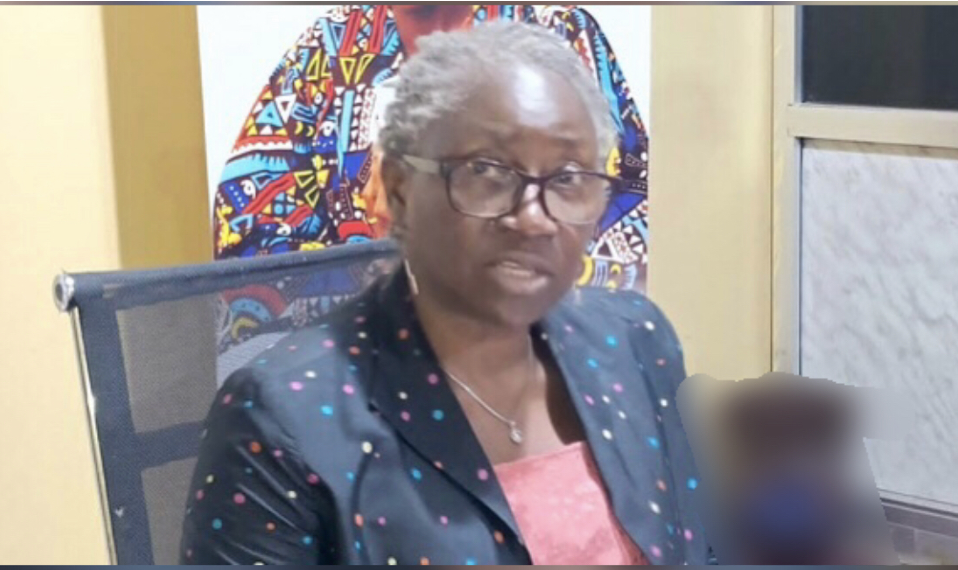
The National Aids Commission, under the leadership of Chairperson Dr. Cecelia J. Nuta, held a series of coordination meetings and planning exercises throughout 2025 but failed to demonstrate decisive action against the HIV epidemic. The institution, established by an Act of the National Legislature in 2010 to manage the national HIV and AIDS response, reported hosting a Partnership Forum and multiple technical working group meetings for key populations and monitoring. It also led a stakeholder engagement to reactivate county steering committees.
Commission staff participated in the UNAIDS Spectrum and size estimates exercise for Liberia and conducted an assessment of PEPFAR facilities for mitigation planning. Internally, the commission organized a five-day staff retreat that culminated in the development of a new five-year strategic plan. It also completed a country assessment as a preliminary step for creating a national HIV sustainability roadmap.
In November, Chairperson Nuta presented the latest national data, revealing that an estimated 36,000 people are living with HIV in Liberia, representing a prevalence rate of 0.9%. She stated that 21,000 of those individuals are women and that 31,000 people are aware of their HIV-positive status. The data was shared during a press conference marking the lead-up to World AIDS Day.
Days later, at the official World AIDS Day commemoration, UNDP Resident Representative Aliou M. Dia delivered a stark warning on behalf of the UN system. He emphasized that Liberia’s HIV response cannot rely indefinitely on external funding and must urgently pivot to mobilizing domestic resources, strengthening integrated health systems, and empowering communities to ensure sustainability.
The commission’s listed achievements for the year are almost exclusively procedural, focusing on meetings, assessments, and plan development. There is a notable absence of reported outcomes, such as measurable increases in treatment coverage, reductions in mother-to-child transmission, or scaled-up prevention programs targeting key populations. The gap between planning activities and tangible public health impact appears significant.
Furthermore, the UN’s public emphasis on the urgent need for domestic resource mobilization and sustainable systems underscores a critical vulnerability in the national response that the commission has not been seen to publicly address or lead on in a concrete manner. The reliance on external partners for both funding and strategic direction was highlighted as a key risk.
The commission’s objectives for 2026 are expansive and continue the trend of being process-oriented. They include leading advocacy efforts, developing programs for local structures, establishing partnerships, and creating a national monitoring and evaluation plan. Other goals involve studying the socio-economic environment, reviewing existing programs, developing a strategic framework, and maintaining an HIV/AIDS database.
While these are necessary administrative functions, they mirror the activities of 2025 and again lack specific, time-bound targets for epidemic control. The objectives do not articulate a clear path to address the sustainability crisis flagged by the UNDP or set measurable goals for closing the treatment gap for the estimated 5,000 Liberians living with HIV who do not know their status. The grade points to an institution that is administratively active but is not demonstrably driving a transformative or results-oriented national response to a major public health challenge.
Grade: D
Liberia Intellectual Property Office
Director General Garmai Koboi

The Liberia Intellectual Property Office launched a public awareness campaign on intellectual property rights in three counties—Montserrado, Grand Bassa, and Nimba—in 2025. The campaign aimed to educate the public on IP rights, infringements, and violations, particularly targeting actors within the creative sectors. As part of this outreach, LIPO appointed official brand ambassadors to promote the protection of IP rights across industries like manufacturing, tourism, entertainment, and fashion.
The office reported establishing new public-private partnerships with small and medium enterprises to foster collaboration on product development, innovation, and branding. A separate partnership was formed with the AME Zion University to create a support center focused on technology transfer, research, and innovation.
In a move to institutionalize IP education, LIPO established Intellectual Property Clubs and rolled them out in twenty high schools across the same three counties. This initiative is designed to introduce IP concepts into formal school curricula. The office also conducted the national phase of an IP Club competition to select participants for the Africa Regional Intellectual Property Organization’s competition in Harare, Zimbabwe.
The office’s mission, derived from its 2016 legislative act, is to stimulate a knowledge economy for sustainable growth through the protection of Intellectual Property Rights. The activities of 2025 were primarily foundational, focusing on awareness, partnership building, and educational pilot programs. There were no major public reports on enforcement actions against IP violations, the registration of patents or trademarks by Liberian innovators, or the commercialization of protected intellectual property.
The objectives for 2026 suggest an ambition to scale up engagement with the private sector. They include conducting a baseline assessment and setting selection criteria for 500 SMEs, identifying their innovative readiness and capacity gaps. LIPO plans to identify four regional Invention Education Incubator sites for these businesses.
Further goals involve developing specialized training syllabi on invention, IP management, product development, and entrepreneurship for the four incubator sites. These plans indicate a strategic pivot toward more direct support for innovation and enterprise, moving beyond awareness campaigns.
Grade: C+
The Boakai administration’s women leaders demonstrate a blunt dichotomy. In sectors like Foreign Affairs, Commerce, and Defense, they have delivered historic and reform-driven achievements. However, in critical social sectors—Health, Education, and Gender—while managing individual programs, they have struggled to reverse systemic collapses or address existential crises. This points to the fact that high office alone is not enough; the translation of authority into transformative, accountable, and crisis-responsive governance remains the defining challenge.
This performance report is the result of an eleven-month review from January to November 2025. WomenVoices Newspaper compiled this performance report using a multi-faceted methodology, including documentary analysis of official reports and budgets with the ongoing tracking of key performance indicators like project completion and service delivery.
The paper also conducted an incident analysis of public controversies and crisis responses, evaluated each official’s performance within a comparative context, measuring outcomes against the administration’s own goals, Liberia’s historical benchmarks, and international best practices. The resulting grades (A-F) synthesize these findings, including a holistic assessment of achieved results, leadership efficacy, transparency, and responsiveness to critical challenges. This performance report extends to Wednesday. In the next publication, women legislators will be graded based on their work throughout this year.