

-An Assessment of Performance in the 55th National Legislature
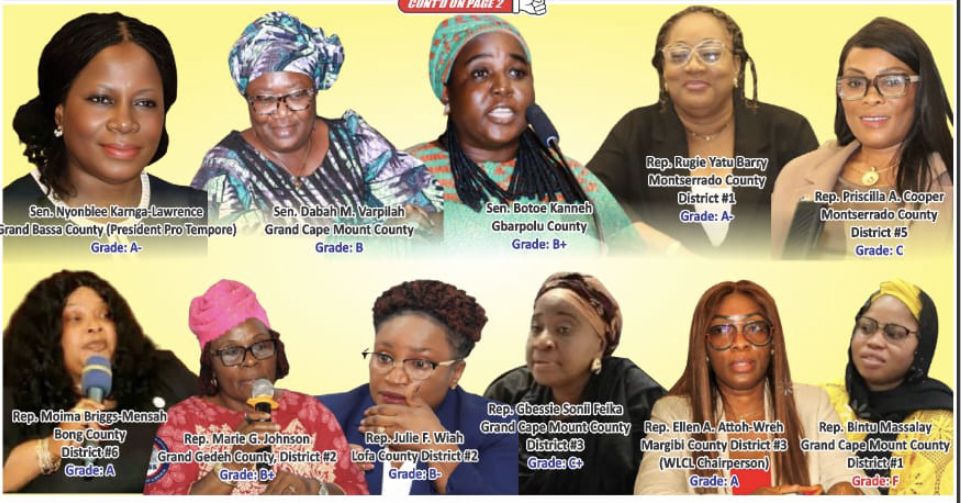
Monrovia: Liberia’s bicameral legislature remains a domain of unimaginable gender imbalance. With only 11 women occupying 103 seats—just 10.7%—female representation lags significantly behind regional and global averages. Within this challenging landscape, the women of the 55th Legislature have pursued their mandates with varying degrees of impact, ambition, and visibility.
By Jerromie S. Walters/
This scorecard presents an objective, graded assessment of their 2025 performance, evaluating each legislator against their three cardinal functions: lawmaking, representation, and oversight. The grades (A–F) reflect a holistic analysis of legislative output, constituency engagement, accountability efforts, and leadership demonstrated over the reporting period.
The Liberian Senate
Senator Nyonblee Karnga-Lawrence
Grand Bassa County (President Pro Tempore)
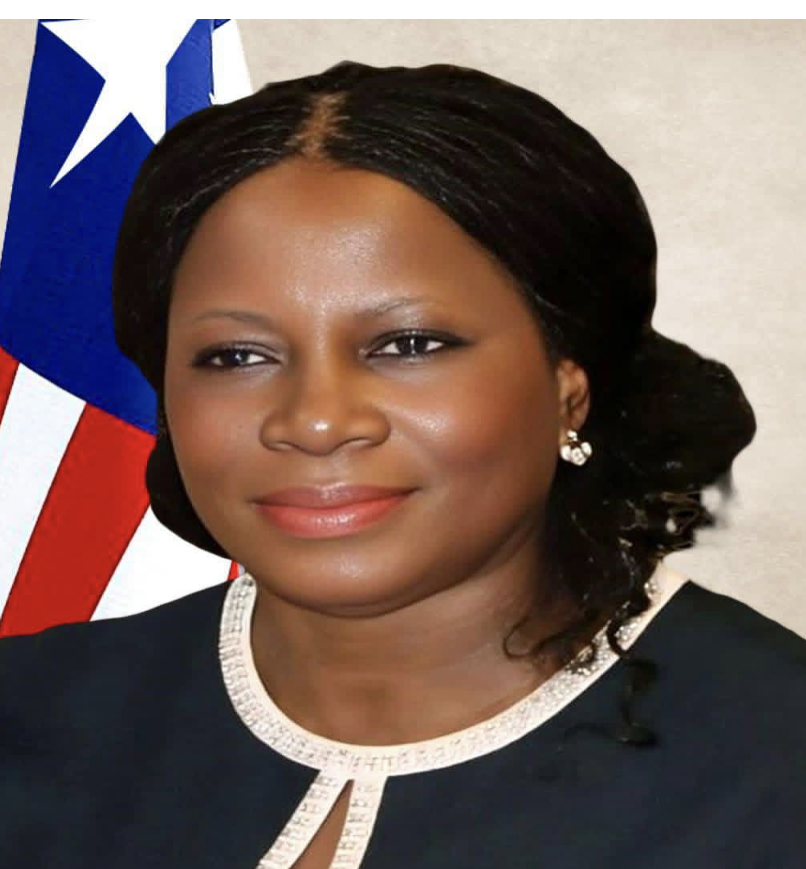
Senate President Pro Tempore Nyonblee Karnga-Lawrence has steered the 55th Legislature through a landmark year of consequential lawmaking and institutional reform, cementing her role as a transformative leader at the apex of Liberian governance. Her tenure has been defined by the passage of multi-million dollar infrastructure agreements, critical digital security legislation, and a relentless drive to modernize the Senate itself, all while maintaining a clear focus on youth development and diaspora engagement.
Under her gavel, the Senate in December concurred on one of the largest public-private partnerships in recent history: a $363.9 million road concession with Parvifort AL Association to construct and rehabilitate 313 kilometers of critical highways in Western and Northern Liberia. This decision, following rigorous scrutiny, will see the paving of roads from St. Paul Bridge to Bo Waterside and Voinjama to Mendikorma over five years, a monumental step towards national connectivity and economic integration.
Earlier in November, Pro Tempore Karnga-Lawrence presided over the passage of the landmark Cybercrime Act of 2025, a sweeping piece of legislation designed to fortify Liberia’s digital defenses, protect critical information infrastructure, and combat online fraud. This law fills a crucial governance gap in an increasingly digital age, showcasing her ability to prioritize forward-looking, systemic legislation.
Her leadership extended to vital international financial agreements. In July, she ensured the ratification of a $20 million loan from the OPEC Fund to upgrade the 48.5km James Davies Town to Zwedru road—a key Liberia-Ivory Coast trade corridor—and rehabilitate border control stations. In November, she oversaw the ratification of an additional $23 million financing agreement for the South-Eastern Corridor Road Asset Management Project, demonstrating a consistent commitment to leveraging international partnerships for national infrastructure.
A cornerstone of her legacy in 2025 is the profound institutional modernization of the Senate. In November, she launched a comprehensive biometric system to track staff attendance, enhance payroll accuracy, and eradicate ghost workers. This reform, part of a suite of upgrades including Starlink internet and a Microsoft 365 email system, marks a definitive push for transparency, accountability, and operational efficiency within the legislature.
Beyond the chamber, Karnga-Lawrence’s representation has been both symbolic and substantive. She received formal gratitude from the Liberian Diaspora Office in October for her untiring advocacy for citizens abroad. At home, through the Nyonblee Care Foundation, she launched and supported a month-long STEM Robotics Vacation School in Paynesville, training over 100 students in science and technology. “Envision a future shaped by careers in STEM,” she urged the youth, investing directly in the nation’s human capital.
Her oversight of the legislative agenda facilitated significant educational advancements. She guided the passage of acts to elevate the River Gee Technical Institute to a college in July and to transform Bomi Community College into the Western Region University in February. These laws expand access to higher education and are strategic responses to regional development needs, reflecting a national vision for human resource development.
Furthermore, she secured the Senate’s concurrence on the Liberia National Tourism Authority Act in January, restructuring a key sector for economic diversification. Each of these legislative victories required consensus-building, committee management, and strategic scheduling—core competencies she has displayed throughout the year.
Overall Performance Grade: A-
Senator Botoe Kanneh
Gbarpolu County
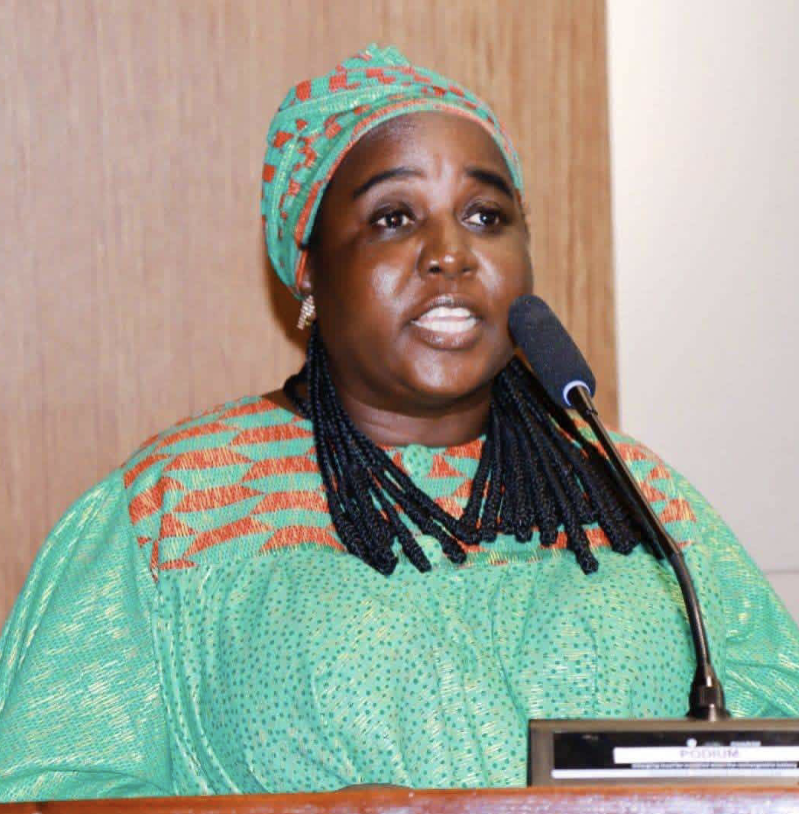
Senator Botoe Kanneh has established herself as the indefatigable watchdog of Gbarpolu County and a formidable national advocate for social justice, resource governance, and gender equity. Her 2025 dossier reveals a senator perpetually in battle—holding mining companies accountable, fighting for marginalized local officials, amplifying the cries of excluded women, and demanding justice for victims of abuse, all while navigating a complex political landscape.
Kanneh’s most persistent oversight target has been the BAO CHICO Mining Company. In May, she publicly endorsed the government’s decision to revoke the company’s road permit, cataloging its nine major violations of the Mineral Development Agreement (MDA), including failure to pay $500,000 in annual social contributions and $80,000 to the county education fund. She didn’t stop there; in November, she called on the new Mines Minister to investigate the company further and to also probe radio host Henry P. Costa’s alleged unauthorized mining claims. “No individual… should be allowed to operate outside the confines of the nation’s mining laws,” she asserted, demonstrating relentless pressure for accountability.
Her advocacy extended to the very fabric of rural governance. In June, she triggered a Senate investigation into labor irregularities, revealing that local officials in Gbarpolu and other counties had gone unpaid for over a year or were receiving salaries as low as $65 monthly. She labeled this a “fundamental governance failure” and a violation of the Decent Work Act, forcing a systemic review of how frontline administrators are treated by the central government.
As Chair of the Senate Committee on Gender, Children, and Social Protection, Kanneh was a vocal champion for the vulnerable. In September, she strongly condemned the alleged rape of a 14-year-old by a Deputy Minister, demanding a “speedy, transparent, and uncompromising investigation.” In October, she stood with the women of Bopolu City who were unjustly excluded from a World Bank empowerment grant, declaring, “Denying the women of this county… is an act of injustice.” Her representation here was deeply personal and advocacy-driven.
On lawmaking, she pushed for substantive legal reviews. In November, she called for an urgent reassessment of the Forestry Reform Law of 2006, arguing that its conservation provisions were displacing communities and stripping them of livelihoods without fair benefit-sharing. “We must strike a balance between conservation and community welfare,” she argued, initiating a potential landmark reform in natural resource governance.
Constituency service remained active. She presented a cassava processing machine to the women of Gbangaye Town, petitioned for the establishment of more magistrate courts to curb “jungle justice,” and in December, engaged the Ministry of Public Works over a damaged bridge on the Monrovia-Bopolu highway. She also signed a pledge card supporting the WASH Legislative Caucus’s work in her county.
Internationally, she represented Liberia at the UN Commission on the Status of Women in March, sharing her own “untold” electoral story to inspire women in politics and calling for greater international support for female candidates.
Overall Performance Grade: B+
Senator Dabah M. Varpilah
Grand Cape Mount County
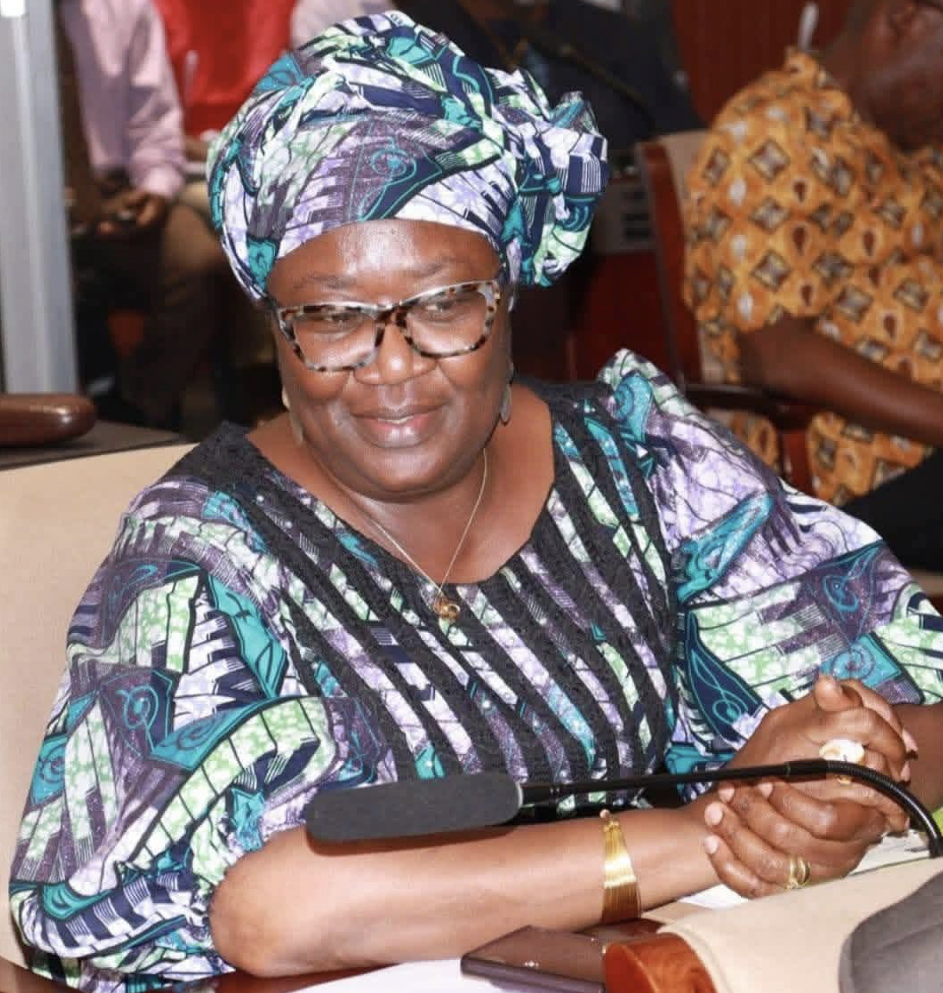
Senator Dabah Varpilah has pursued a dual-track strategy in her first year, combining assertive oversight on national issues as a committee chair with targeted, project-based constituency development in Grand Cape Mount. Her performance reflects a diligent senator focused on health sector governance, educational support, and delivering tangible infrastructure to her county.
As the Chair of the Senate Committee on Health, Varpilah exercised her oversight mandate with purpose. In June, she led her committee on a facility tour of the Liberia Medicines and Health Products Regulatory Authority (LMHRA), pledging to help establish a fully functional laboratory and ensure quality health products on the market. “The Committee will provide robust oversight,” she declared, moving beyond hearings to direct engagement with key agencies.
Her most significant oversight move came in January, when she authored a communication requesting a full Senate probe into the concession agreement that created the Liberia Transport Management Incorporated (LTM). She demanded appearances from the Ministries of Transport, Finance, and Justice to assess the deal’s impact on national revenue, showcasing a willingness to scrutinize complex financial arrangements for the public good.
In her county, Senator Varpilah’s representation was defined by educational investment and infrastructure projects. She emerged as a primary benefactor for students, providing LD$390,000 for the registration of 106 students at Sinje College in September and organizing a county-wide food distribution for WASSCE candidates in May. “This gesture is in fulfillment of the Senator’s commitment to improve enrollment,” her office noted, establishing education as a clear priority.
Her most substantial constituency project was the groundbreaking in August for the full renovation and construction of the Kinjor Health Facility, a project valued at US$46,929.40. Addressing a jubilant crowd, she stated the facility would ensure “quality basic healthcare for residents will no longer be a burden.” She also broke ground for a $28,000 guest house in Jene Wonde, fulfilling a pledge made by her predecessor.
Advocacy for basic services was consistent. In August, she successfully lobbied the Liberia Electricity Corporation (LEC) to conduct technical assessments for electrification in Gola Konneh District, targeting communities from Kinjor to Weiju. She also made symbolic gestures of solidarity, donating rice and cash to the Islamic community during Ramadan in March.
On the international stage, Varpilah represented Liberia at the UN Commission on the Status of Women in New York in March, delivering a keynote statement, and attended a Domestic Resource Mobilization conference in Istanbul in April, focusing on health financing—themes directly relevant to her committee work.
A notable legislative achievement was the passage of her “Commonwealth District Bill” in June, though details were sparse, indicating active lawmaking for her county’s administrative development.
Overall Performance Grade: B
The House of Representatives
Representative Marie G. Johnson
Grand Gedeh County, District #2

Representative Marie G. Johnson has emerged as one of the most active and visible first-term lawmakers of the 55th Legislature, balancing national policy initiatives with aggressive constituency service in the remote Konobo District. Her legislative year was defined by a hands-on approach to the crises facing her district, from infrastructure collapse to natural disasters, while simultaneously authoring progressive national bills.
In October, Johnson pushed the House of Representatives to consider her flagship legislative proposal: a bill to establish a national student loan program for higher education. Plenary mandated a joint committee to review the act, which aims to create an equitable financial support mechanism for Liberian students. “The intent is to improve educational opportunities, national human resource development, and economic empowerment,” Johnson stated, framing the bill as a cornerstone for national development.
Beyond the capital, Johnson’s tenure has been a case study in relentless constituency engagement. When a critical bridge in Cao Town was damaged by a logging company, paralyzing transport to the district seat and a major mining camp, she personally intervened. Through sustained pressure on the Euro Logging Company, she secured commitments and witnessed the commencement of reconditioning works, providing relief to thousands of citizens.
Her representation took a turn following a devastating storm in Palmlow in March. After her communications to the National Disaster Management Authority went unanswered, Johnson took personal action. In June, she partnered with Senator Thomas Yaya Nimely to donate 40 bundles of high-quality zinc to homeless victims, a gesture hailed by locals as timely and life-saving.
In May, she donated essential drugs and medical supplies to the newly dedicated Glio-Tarloken Clinic. Furthermore, she amplified a critical national issue in Plenary, raising the alarm on the infiltration of unqualified medical professionals posing a threat to patient safety. This advocacy dovetailed with a broader House investigation into fraudulent medical credentials.
In July, she attended the launch of a documentary against Female Genital Mutilation (FGM) in Monrovia, linking the fight against harmful practices to the broader need for decentralization and local government empowerment. Another moment in June saw her gift LRD 40,000 to supporter Ma Victoria Geply, a moment that crystallized her connection with grassroots women. “This is the turn for a woman to get in that seat and represent us,” Geply declared in a viral video.
The fight against substance abuse became a consistent theme. In August, she joined the national “SAY NO TO DRUGS” campaign, delivering a powerful speech about drugs “destroying lives and breaking families.” She was physically present at a major drug-burning exercise conducted by the Liberia Drug Enforcement Agency in Grand Gedeh in June
Infrastructure and community development projects were rolled out steadily. She broke ground for a modern youth center in Putu Pennoken in January and later donated 185 plastic chairs to ease constraints at the Ziah Town Hall and for elders and women’s groups. These projects, though modest, addressed specific, articulated needs within the district.
On the international stage, Representative Johnson represented Liberia at a high-level ECOWAS workshop on Health Financing in Lomé, Togo, and at the Executive Committee Session of the African Parliamentary Union in Rabat, Morocco, expanding her policy perspective.
Overall Performance Grade: B+
Representative Julie F. Wiah
Lofa County District #2
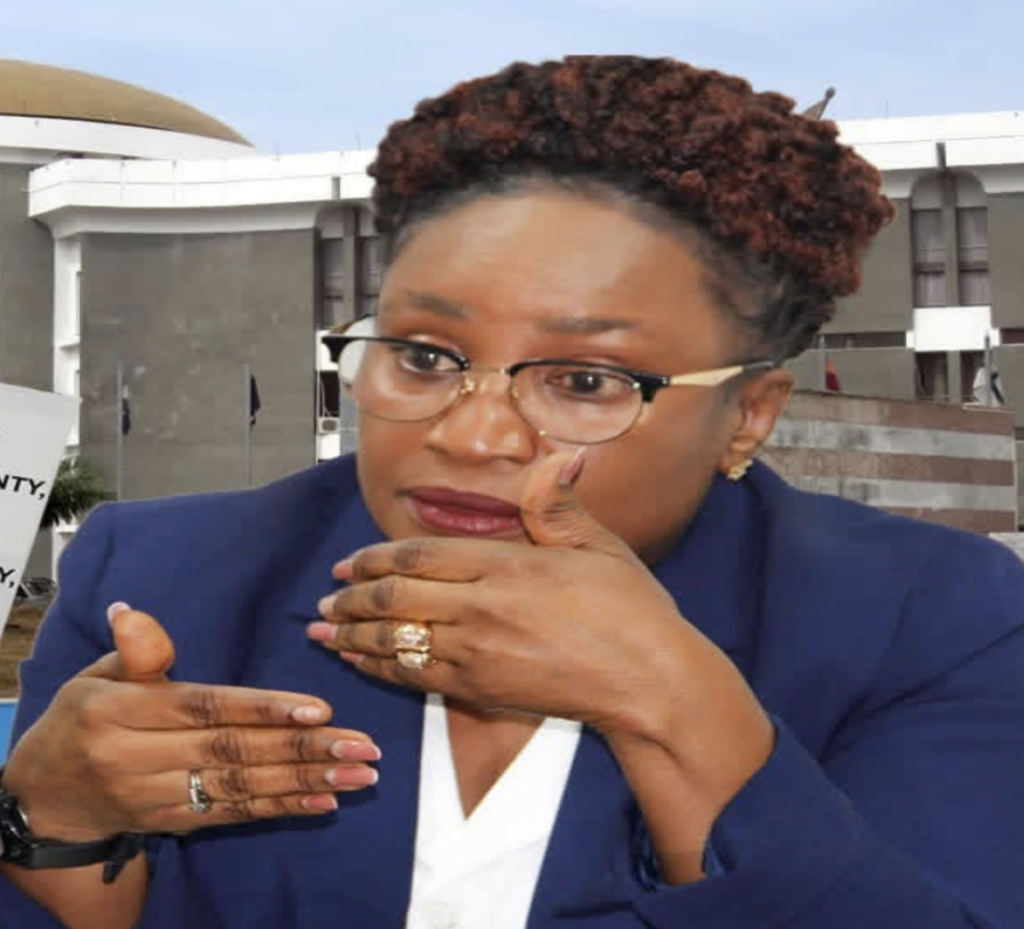
Representative Julie F. Wiah has carved a niche as an advocate for public health financing and gender equity within the 55th Legislature, using her role as Chair of the House Committee on Health to drive critical policy discussions. Her year focused on systemic issues affecting vulnerable populations, from menstrual equity to sustainable healthcare funding.
In a move in July, Wiah presided over a roundtable engagement with Public Health Initiative Liberia and WaterAid, championing the removal of taxes on menstrual hygiene products. She heard compelling testimony that a 30% tax burden forces girls to use unsafe alternatives like rags and leaves, leading to infections and school absenteeism. “This is a timely and important discussion. As lawmakers, we must ensure that our policies reflect the realities our girls and women face,” Wiah stated, pledging to explore amendments to tax laws to classify these products as essential health items.
In a formal communication to the Speaker, Wiah proposed the establishment of a Legislative Caucus on Immunization and Primary Health Care. She sounded the alarm on Liberia’s dangerous over-reliance on donor funding, which is set to end by 2026, and highlighted that PHC received only 19.6% of its allocated funds in 2024. Her proposal aimed to boost domestic budget allocations and create a National Immunization Trust Fund, showcasing a long-term vision for health sovereignty.
Her representation in District #2 included tangible, if smaller-scale, interventions. In November, she contributed $300 USD to support the community-led rehabilitation of the Sosomoilahun road, a vital artery for farmers and traders. The funds were channeled through local structures, acknowledging traditional authority and community initiative.
Overall Performance Grade: B-
Representative Rugie Yatu Barry
Montserrado County District #1
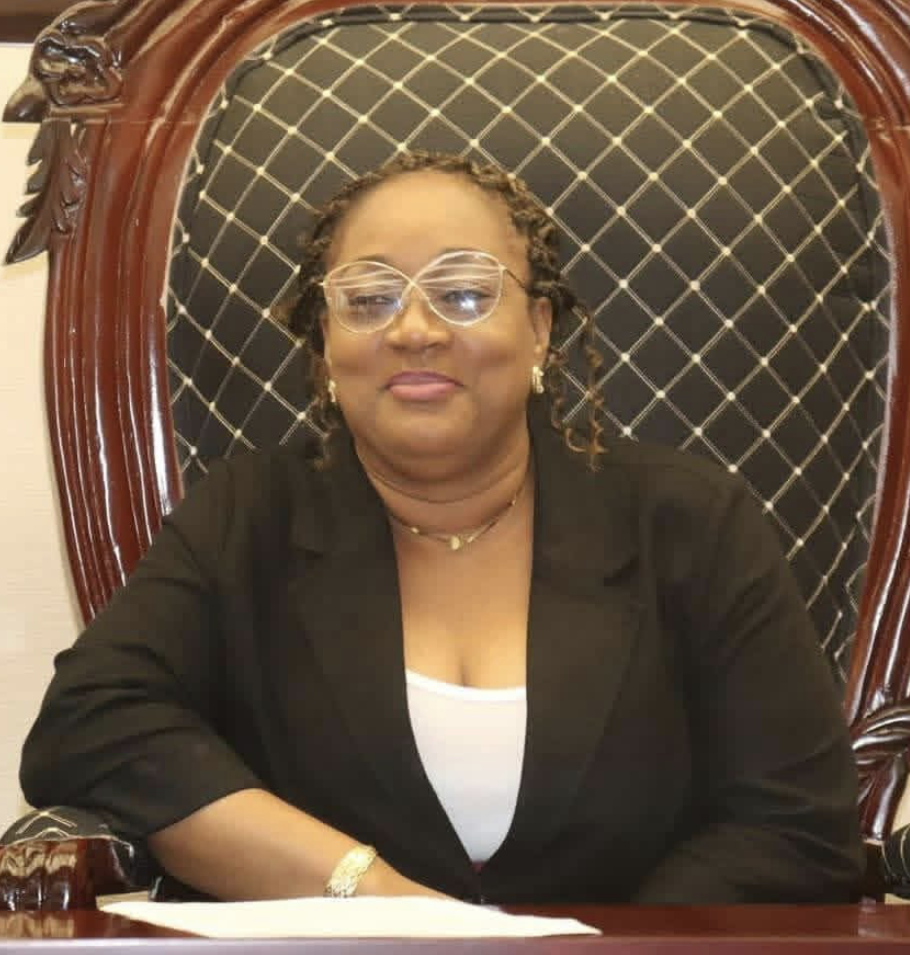
Representative Rugie Yatu Barry has executed a masterclass in multifaceted district development and legislative entrepreneurship, blending infrastructure projects, educational investment, and security enhancements at a remarkable pace. Her 2025 report card is one of the most comprehensive.
Representative Barry’s signature achievement in infrastructure was the dedication of two critical bridges.
In May, she inaugurated a bridge connecting Wolakkor-Success, funded through the Legislative Support Project administered by LACE. She acknowledged budget limitations, stating, “after thorough consultations, the communities prioritized this bridge.” Weeks later, she dedicated another bridge in Palm Spring Community, complementing it with a donation of 15 solar lights. These projects directly addressed mobility and trade, a textbook example of participatory representation.
In June, she pledged a staggering $12,500 USD to the University of Liberia’s Lux in Tenebris Honors Scholar Program and promised legislation for sustained scholarship support. By July, she launched a massive district-based Financial Aid and Scholarship Program for 350 students, from elementary school to university. “This is more than just financial support; it is an investment in the dreams, talents, and destinies of the young people,” she declared.
On security, a fundamental oversight function, Representative Barry broke ground in January for Louisiana’s first-ever police station, a self-sponsored project addressing a long-standing gap in public safety. “The new station will be instrumental in providing a safer environment,” she said, responding directly to constituents’ vulnerability.
Her oversight extended to public utilities. She worked closely with the Liberia Electricity Corporation, celebrating the electrification of Unification Town in August and pushing for the extension of power to Careysburg and Bentol City. She consistently donated solar lights to communities awaiting the grid, providing interim solutions.
From March through Ramadan, she donated rice and cash to Muslim communities, and initiated regular town visits with gifts of food and supplies. Representative Barry also supported youth development through a capacity-building training program with TULA and boosted morale for the District #1 football team with a cash and equipment donation.
Overall Performance Grade: A-
Representative Priscilla A. Cooper
Montserrado County District #5

Representative Priscilla Cooper’s year in the 55th Legislature was marked by substantial legislative advocacy shadowed by a major political-legal controversy. This created a stark contrast between her policy ambitions and her personal entanglement in a national scandal.
Cooper’s primary legislative achievement was championing the passage of the National Rehabilitation Commission (NRC) Act. She argued for the bill, stating it would “provide a structured national response to the plight of disadvantaged youths, drug users, and other at-risk groups.” She framed it as a cornerstone for restoring dignity and productivity, a clear attempt to address a gaping hole in Liberia’s social services framework through lawmaking.
Demonstrating sharp oversight, she also led a charge against executive profligacy, rebuking ministers and directors-general for flouting the legislature’s policy on expensive official vehicles. She demanded uniform application of the rule capping costs at US$45,000, asserting that violations “undermine the Legislature’s authority.”
Her representation was highlighted in a detailed budget communication where she advocated for her district’s needs. She requested funding to pave the deteriorated Pago Island Road, renovate the overcrowded 72nd Public School and Police Academy School, and establish a public clinic in the 72nd Community. “The complete absence of a public clinic in the entire district… hinders emergency maternal health response,” she noted, showing a clear grasp of her constituents’ critical needs.
However, her year was severely compromised by her involvement in the Capitol Building arson investigation. In June, the Liberia National Police named her as a person of interest. Though she was detained and later released while colleagues from opposition parties remained under supervision, the episode fueled perceptions of “selective justice.” Her subsequent absence from ongoing court proceedings, as noted in reports, has caused many to think otherwise.
Overall Performance Grade: C
Representative Bintu Massalay
Grand Cape Mount County District #1
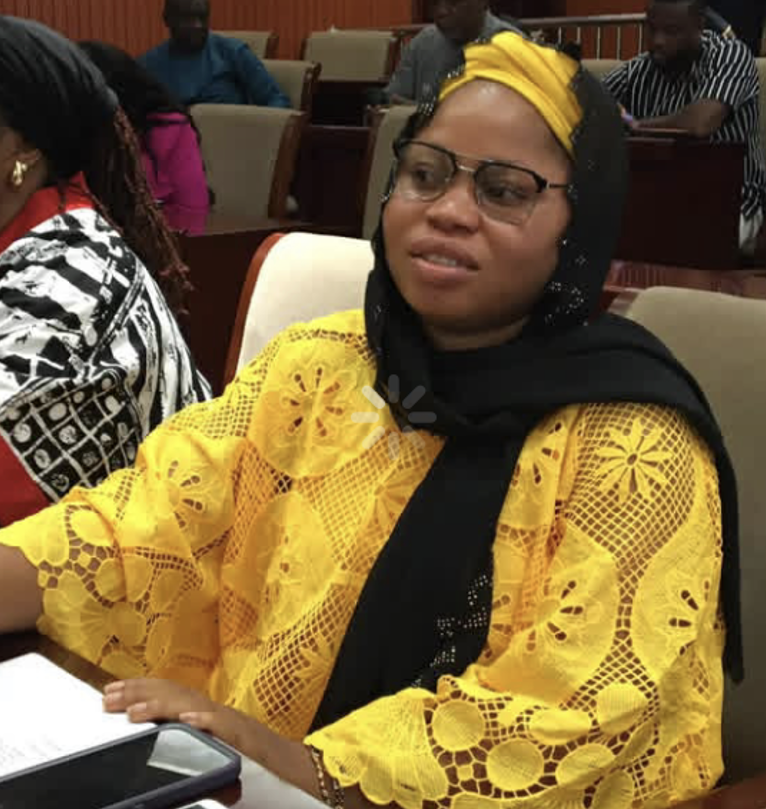
The second year of Representative Bintu Massalay, the legislature’s youngest member, has been characterized by a conspicuous lack of vocal advocacy and visible legislative initiative, drawing public criticism from her own constituents and earning her a reputation for silence in the halls of power.
Massalay’s only formally noted contribution was her induction as Secretary of the Women’s Legislative Caucus of Liberia in May. While this role involves administrative support for the caucus’s agenda, there are no reported instances of her leveraging this position to champion specific bills or issues pertinent to Grand Cape Mount County or Liberian women at large.
Citizens of her District have openly “frowned on repeatedly” what they label as her “muteness” during legislative sessions. In an uncomfortable comparison, constituents contrasted her with colleague Gbessie Sonii Feika, who “does not have a diploma or degree, but still tries to speak for her people in session.” They explicitly questioned why Massalay, “with a degree in Public Administration, has often been mute.”
The provided reports contain no instances of Representative Massalay authoring or debating legislation, conducting oversight hearings, or initiating significant development projects within District #1. There is no record of communications to plenary, budget advocacy for her district, or visible constituency engagements on the scale of her peers.
Overall Performance Grade: F
Representative Moima Briggs-Mensah
Bong County District #6
Representative Moima Briggs-Mensah has established herself as a formidable intellectual force and regional advocate in the 55th Legislature, combining sharp national oversight with a deep commitment to education and strategic international engagement.
Briggs-Mensah exercised rigorous oversight on public finance and administration. She issued a fearless rebuke to the Executive Branch for violating vehicle procurement policies and demanded answers from the Liberia Telecommunications Authority on a major revenue shortfall from a suspended gateway agreement. “Not a single cent… has been accounted for,” she warned, demonstrating a keen eye for fiscal detail and holding agencies accountable.
Her lawmaking focused on social justice. She championed a bill to outlaw harmful cultural practices like FGM and child marriage, proactively proposing to rename it “The Women and Girls Protection Act” to frame it positively within the legal code. She also pushed for legislative action on the National Identification Registry’s failure to issue ID cards, a critical oversight of a struggling public institution.
In representation, her passion for education was evident. She personally sponsors six international students in China and over 91 students locally in Liberian universities. “Supporting the younger generation through education is the best gift,” she stated, making human capital development her signature issue. She also successfully advocated for the transformation of the Salala Clinic into a full-fledged health center with a surgical theater and maternity ward, a major infrastructural win for her district.
On the international stage, her influence was significant. She represented Liberia at the ECOWAS Parliament, where she criticized the bloc’s weakness and advocated for greater proactiveness. More impressively, she served on the technical committee that drafted the foundational documents for the historic Mano River Union Parliament, a legacy-building contribution to regional integration.
She faced controversy when a civil society leader criticized one of her legislative projects as a “joke.” Her office responded with a detailed, forceful rebuke, inviting scrutiny and listing her other achievements, a robust defense of her record that showcased her political acumen.
Overall Performance Grade: A
Representative Ellen A. Attoh-Wreh
Margibi County District #3 (WLCL Chairperson)
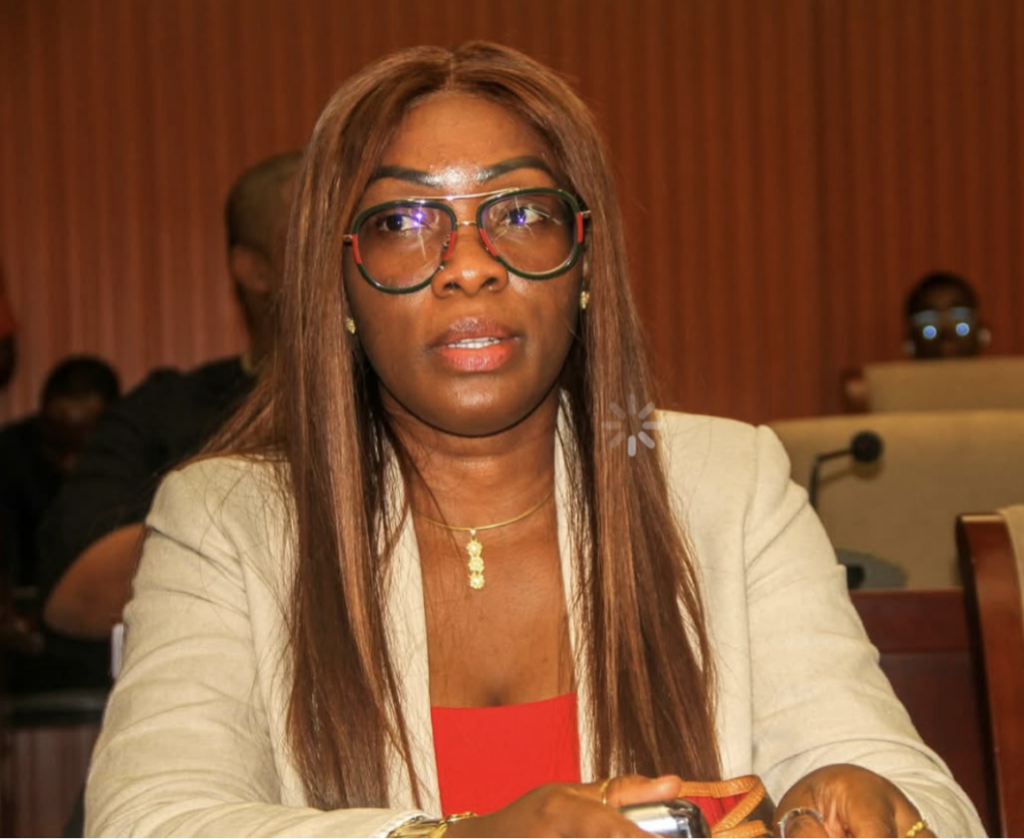
As the Chairperson of the Women’s Legislative Caucus of Liberia, Representative Ellen Attoh-Wreh has skillfully blended symbolic leadership with grassroots advocacy, using her platform to champion women’s health and community empowerment while tending to the practical needs of her Margibi County district.
Attoh-Wreh’s leadership was evident in high-profile advocacy. In August, she authored a strong call for increased funding for drug rehabilitation, linking the youth substance abuse crisis directly to under-resourced mental health services. She also stood in solidarity with the Annual Walk Against Breast Cancer, stating, “This event is a powerful symbol of hope, unity, and resilience,” leveraging her position to raise awareness on critical women’s health issues.
Her constituency representation was hands-on and practical. In November, her advocacy resulted in eight farming cooperatives in District #3 receiving financial support from the Community Healthcare Initiative, boosting local agriculture. She donated sanitation tools and cash to the Kakata Chairpersons’ Council to support community clean-up exercises and held a district sitting in the heart of the Firestone Belt (Division 40) to listen directly to constituents’ concerns.
As WLCL Chair, she led a diplomatic visit to the Indian Embassy to discuss collaborations on women’s empowerment, expanding the caucus’s international partnerships. She also kicked off the rehabilitation of the Kpelleh Community Road, a tangible infrastructure project for her people.
Overall Performance Grade: A
Representative Gbessie Sonii Feika
Grand Cape Mount County District #3
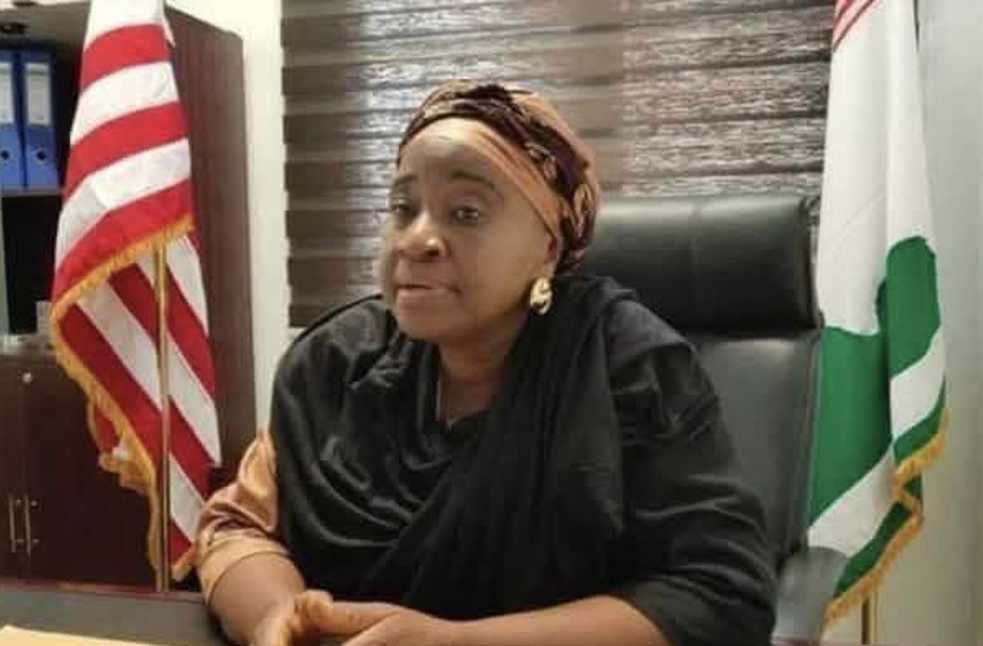
Representative Gbessie Sonii Feika has focused her legislative energy on advocating for the administrative and healthcare needs of her district, demonstrating a clear understanding of local governance gaps but facing challenges related to transparency and compliance with national standards.
Feika’s primary lawmaking effort involved submitting three draft bills to create new local government structures—the City of Tieni and the Townships of Matambo and Meimassa—arguing that formalized status would bolster development and governance. This initiative shows a strategic approach to unlocking institutional resources for her constituency.
Her most fierce representation came in November when she sounded an alarm on the crisis at the Tieni Clinic, the primary healthcare center for approximately 15,000 people. In a passionate communication to Plenary, she described drug shortages and rising maternal deaths as “deeply troubling” and pleaded for a specific budget line to save lives. “Treat this matter as a threat to the lives of our citizens,” she urged her colleagues, successfully getting the issue referred to the Ways and Means Committee.
Constituent feedback in December was positive, with one woman in Bangorma Town asserting that Feika had “achieved more projects in District #3 than her predecessor did in twelve years.” This suggests a level of on-the-ground engagement appreciated by her base.
However, her record is marred by a significant oversight failure regarding her own compliance. In February, it was revealed by the LACC that Feika was among six female lawmakers who had failed to declare their assets as required by law, being in office for over a year without fulfilling this basic accountability mandate.
Overall Performance Grade: C+
This performance report is the result of an eleven-month review (January–November 2025). WomenVoices Newspaper compiled this assessment using a multi-faceted methodology, including documentary analysis of official legislative records, lawmakers’ communications, and project reports; tracking of key performance indicators; and incident analysis of public controversies. The resulting grades (A–F) synthesize these findings into a holistic assessment of achieved results, leadership, and adherence to constitutional mandates.