


By: Shallon S. Gonlor | shallonsgonlor@gmail.com
NIMBA COUNTY, Liberia — Young people in Liberia’s vote-rich region, Nimba are calling President Joseph Nyuma Boakai’s third State of the Nation Address “entirely unrealistic and full of deception”. The group, made up of high school and university graduates surviving on motorbike riding, spoke out after Boakai’s January 19, 2026, address, which was meant to fulfill Article 58 of the Liberian Constitution.
The citizens dug into the president’s speech, questioning claims of progress in key areas like agriculture, infrastructure, education, health, tourism, and the rule of law. They also took serious issue with the government’s 70, 000 job creation for young Liberians.
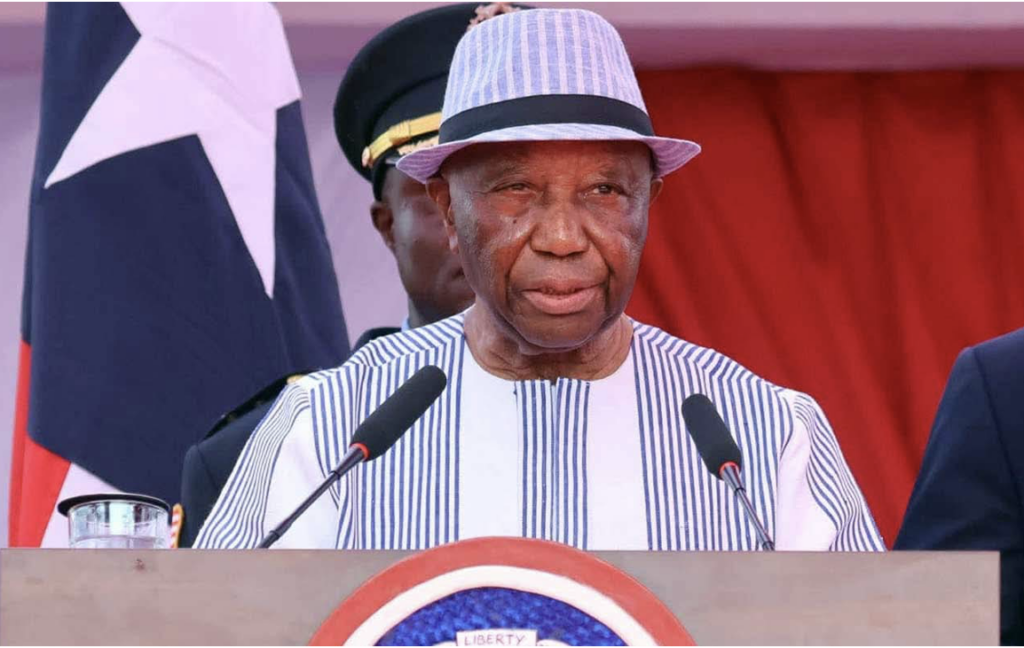
President Boakai had highlighted his administration’s achievements over the past two years, saying they have tackled tough challenges, stabilized the economy, and hit key development milestones despite limited resources. “The progress of the past two years is real,” he said, arguing that the country is in a better state than it was a year ago.
However, the citizens were not impressed, pointing out that the country’s struggles persist, with a harsh economy, lack of job opportunities for qualified citizens.
Sylvester Dahn, a 22-year-old university graduate, is struggling to make ends meet. After graduating in 2023, he could not find a job and now rides a commercial motorcycle to support his family.
According to him, he is frustrated with the government’s claim of creating 70,000 jobs for young Liberians. “I’m shocked,” Sylvester said. “Where are these jobs? Which sector are they in?” He calls the president’s report “totally deceptive, false, and misleading” due to a lack of evidence.
Sylvester feels nothing has changed since the new government took power, promising to tackle Liberia’s development challenges and poverty. “I regret voting for President Boakai,” he said. “The president positioned himself as a stable leader focused on development growth, but it’s not happening.”
He argues that President Boakai’s government has yet to show tangible results in agriculture, infrastructure, and economic development, areas central to his presidency. Sylvester’s story echoes the concerns of many young Liberians seeking opportunities.
Mary Saye, a high school graduate and trained heavy-duty mechanic, has criticized Boakai’s government for failing to prioritize the most urgent needs of Liberians based on the country’s limited resources.
Ms. Saye emphasized that a successful government must focus on the scale of preference, ensuring that pressing needs are met first to enable rational decision-making.
She pointed out that previous and current governments have ignored citizens’ demands for technical, vocational education and training (TVET), thus creating a gap that remains a significant barrier to Liberia’s sustainable development goal. TVET is a critical driver of sustainable development, equipping passionate young individuals with practical skills that improve employability, foster innovation, and fuel economic growth.
“By directly aligning curricula with labor market demands, TVET bridges the skills gap, allowing countries to build a productive workforce capable of driving industrial and economic growth,” Mary noted. She highlighted that TVET equips citizens with hands-on technical and professional skills, making them highly sought after in the job market.
Saye meanwhile questioned President Boakai’s 70,000 job creation claim, arguing that without TVET and other skill training programs across the country, the jobs may not be sustainable or beneficial to Liberians.
“How can you create jobs without equipping your citizens with the right skills?” she asked.
Mary recommended some potential next steps for President Boakai, if he wants Liberia to be sustainably developed before his first tenure ends.
Saye is calling for developing a national TVET strategy, allotting budgetary funding for TVET programs, building partnerships with private sector companies, and promoting awareness of TVET benefits among citizens and communities. Pauline Dolo, a nurse by profession, echoed Saye’s concerns, sharing her personal struggle. She has been volunteering at a government health facility for about two years without being employed.
“It’s demotivating to say the least,” she said, highlighting the challenges faced by skilled professionals in Liberia. Dolo’s experience underscores the need for job creation and employment opportunities for graduates, particularly in critical sectors like healthcare. This trend also reflects poorly on the government’s job creation efforts, suggesting that they’re not prioritizing employment opportunities for skilled Liberians. “It’s like we are expected to work for free, while others benefit from our skills,” Dolo said.
Dolo emphasized potential solutions, including government-initiated internship programs with stipends, private sector partnerships to create jobs or support volunteers, and policy changes to prioritize hiring skilled professionals in government facilities.
These steps could help address Liberia’s employment challenges and value its skilled workforce, she stated.
Dolo’s story highlighted the need for sustainable solutions to Liberia’s employment challenges.
Liberia’s unemployment rate is a complex issue, with reports presenting two significantly different figures.
According to the World Bank/ILO, the unemployment rate in Liberia was approximately 2.88% in 2024 and is projected to remain around 2.80% in 2025. This figure represents individuals without work who are actively seeking employment.
However, reports citing the Liberian Ministry of Labor indicate that up to 90% of the workforce is unemployed or underemployed. This higher figure accounts for the vast majority of the population engaged in precarious, informal, or subsistence labor rather than formal employment.
The youth unemployment rate (ages 15-24) was approximately 2.13% in 2024, while labor force participation was around 76.8%. Despite official figures showing a low, stable unemployment rate, Liberia faces high poverty levels, with an estimated 52% of the population living on less than $2 a day.
The country’s economic growth is driven by mining and agriculture, with real GDP growth projected at 5.2% to 5.3% for 2024–2025, according to African Development Bank Group statistics. The discrepancy between the official unemployment rate and the higher “hardship” rate is largely due to the definition of unemployment, which often misses those in informal, non-salaried work dominant in Liberia.