


By Jerromie S. Walters
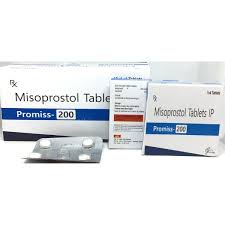
MONROVIA – The Ministry of Health has mandated that Misoprostol be sold or dispensed only with a valid prescription from a licensed physician or authorized prescriber. The drug must also be used under the direct supervision of a licensed pharmacist or authorized professional within an approved facility.
Misoprostol is a medication used to induce medical abortion. It is most effective when combined with mifepristone, but may be used alone when mifepristone is unavailable. The drug works by causing uterine contractions and softening the cervix to terminate a pregnancy.
According to the Ministry, the directive responds to widespread, unregulated sale and use of Misoprostol. To protect public health and prevent misuse, the Ministry is collaborating with the Liberia Medicines and Health Products Regulatory Authority (LMHRA), the Liberia Pharmacy Board (LPB), and the Liberia Medical & Dental Council (LMDC) to enforce the new regulations.
Under the mandate, health authorities will strengthen regulatory oversight through several measures. These include monitoring supply chains, inspecting pharmaceutical outlets, and verifying Misoprostol registration and distribution records. Officials will also ensure that pharmacies comply with dispensing guidelines and record-keeping requirements.
In addition, authorities will verify prescriber credentials and address professional misconduct involving inappropriate or fraudulent prescriptions. The Ministry said it will assist in investigations of illegal Misoprostol distribution and support criminal action where warranted.
Current Liberian law allows abortion only up to 24 weeks of pregnancy, and only in cases of rape, fetal impairment, or risk to the mother’s physical or mental health or life. Despite these restrictions, approximately 32 percent of Liberian women have had abortions, locally referred to as “spoiling the belly.” Unsafe abortions remain common and account for 15 percent of maternal deaths in the country. Health officials say self-induced abortions are particularly widespread, as medical abortion remains legally restricted. Post-abortion care is available at both public and private facilities.
Liberia’s abortion law dates to 1976. In 2020, a bill to legalize abortion was introduced in the Legislature. The bill, proposed by Senator Augustine Chea, entered formal debate in 2022. Advocacy groups supporting legalization say it would reduce the high rate of unsafe abortions. Religious leaders oppose the bill, saying it violates fetal rights. As of 2026, the bill remains under debate.