

-Activists Warn New Misoprostol Restrictions Could Deepen Maternal Death Crisis
By Jerromie S. Walters
MONROVIA — Feminist groups, human rights advocates, and women’s rights organizations are warning that Liberia’s newly reinforced regulations on the drug Misoprostol must not block access to a medicine they say can mean the difference between life and death for thousands of vulnerable women and girls across the country.
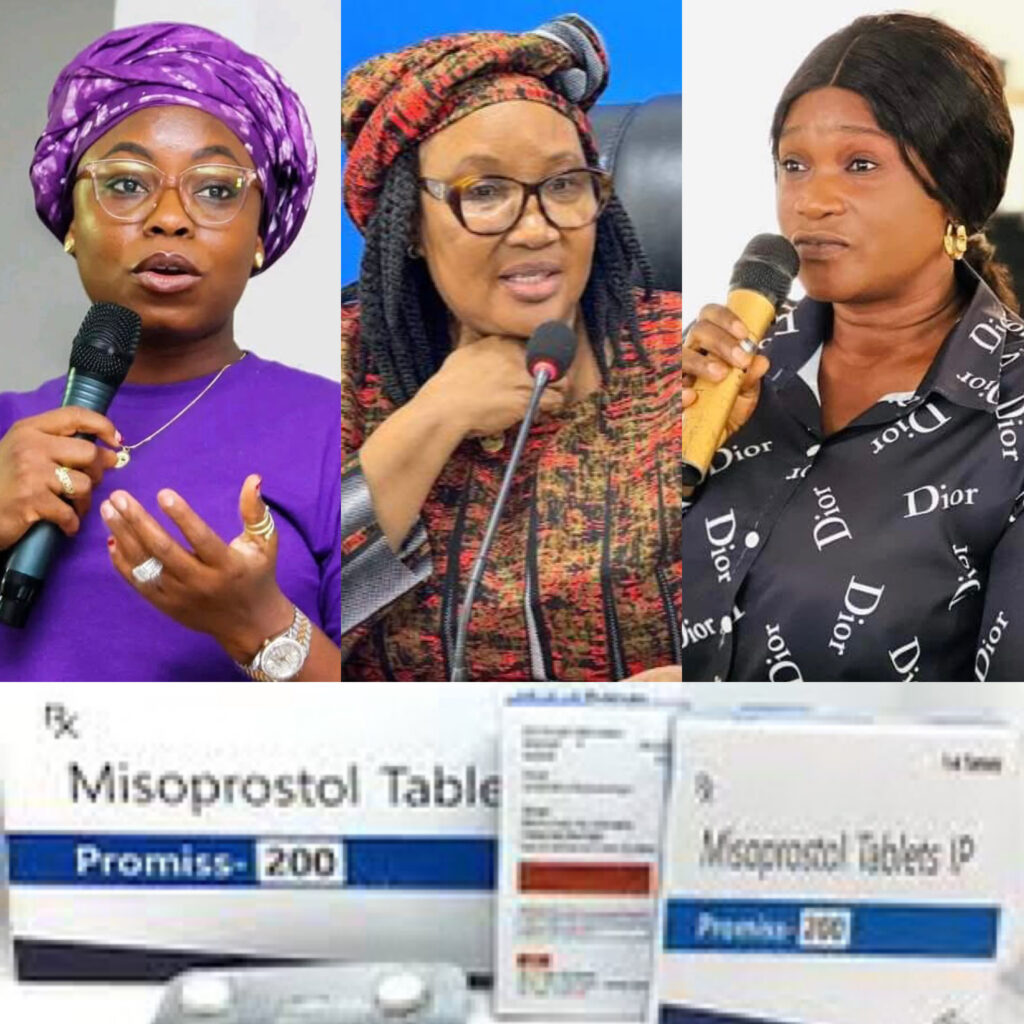
In a directive dated April 3, 2026, the Ministry of Health mandated that Misoprostol may only be sold or dispensed with a valid prescription from a licensed physician or authorized prescriber. The ministry further requires the drug to be used under the direct supervision of a licensed pharmacist or authorized professional within an approved facility.
Misoprostol is a medication primarily used to induce medical abortion. It is most effective when combined with mifepristone but can be used alone when mifepristone is unavailable. The drug induces uterine contractions and softens the cervix to terminate a pregnancy.
According to the Ministry of Health, the new directive responds to widespread unregulated sale and misuse of Misoprostol. To enforce the regulations, the ministry is collaborating with the Liberia Medicines and Health Products Regulatory Authority (LMHRA), the Liberia Pharmacy Board (LPB), and the Liberia Medical & Dental Council (LMDC).
Under the mandate, health authorities will strengthen supply chain monitoring, inspect pharmaceutical outlets, and verify Misoprostol registration and distribution records. Officials will also ensure pharmacies comply with dispensing guidelines and record-keeping requirements. Authorities will verify prescriber credentials and address professional misconduct involving fraudulent prescriptions. The ministry said it will assist in investigations of illegal distribution and support criminal action where warranted.
However, the Women NGOs Secretariat of Liberia (WONGOSOL), a network of more than 250 women-led and women-focused civil society organizations, warned that overly restrictive implementation could deepen Liberia’s already catastrophic maternal mortality crisis.
Liberia has one of the highest maternal mortality ratios in the world, estimated at 742 deaths per 100,000 live births. Unsafe abortion and related complications contribute substantially to these deaths, with poor and rural women disproportionately affected.
WONGOSOL underscored that Misoprostol, when properly used, remains a critical component of reproductive health care. The drug is essential for preventing postpartum hemorrhage, managing miscarriages, and addressing other reproductive health needs. Without it, the group said, women may be pushed back into dangerous, clandestine procedures.
Esther S. D. Eyeah David Yango, Executive Director of WONGOSOL, said that as Liberia continues to grapple with high maternal mortality, public health regulations must strike a careful balance between control and access. She stressed that ensuring safe, regulated, and equitable access is both a public health priority and a human rights obligation.
WONGOSOL called on the Ministry of Health to implement the reinforced measures without denying women and girls access to essential reproductive health services. The organization also urged the government to promote public education on the safe and appropriate use of Misoprostol and to establish stronger accountability mechanisms that protect women’s rights, privacy, and well-being rather than punishing those who need medical help.
The group further noted that access to health care is a fundamental human right grounded in Liberia’s Constitution and reinforced by international and regional commitments, including the Convention on the Elimination of All Forms of Discrimination Against Women, the African Charter on Human and Peoples’ Rights, and the Maputo Protocol.
Despite its concerns, WONGOSOL reaffirmed its commitment to working collaboratively with the Ministry of Health and other stakeholders to ensure the new measures are implemented in a rights-based, gender-responsive manner.
Prominent feminist and human rights activist Naomi Tulay Solanke also opposed the government’s decision. In a Facebook post over the weekend, she wrote: “Misoprostol is not a luxury. It is an essential medicine recognized by the WHO for treating postpartum hemorrhage, managing miscarriage safely, and used alongside other medicines in medical abortion. It saves lives.”
Solanke added that the burden of restricted access falls most heavily on low-income women, girls, rural communities, adolescents, survivors of sexual violence, and people living far from clinics.
Current Liberian law allows abortion only up to 24 weeks of pregnancy, and only in cases of rape, fetal impairment, or risk to the mother’s physical or mental health or life. Despite these restrictions, approximately 32 percent of Liberian women have had abortions, locally referred to as “spoiling the belly.” Unsafe abortions account for 15 percent of maternal deaths in the country. Post-abortion care is available at both public and private facilities.
Liberia’s abortion law dates to 1976. A bill to legalize abortion, introduced by Senator Augustine Chea in 2020, entered formal debate in 2022 but remains under debate as of 2026. Advocacy groups say legalization would reduce unsafe abortions, while religious leaders oppose the bill, citing fetal rights.
Under the Penal Code of 1978, Section 16.3, abortion is legal if a licensed physician deems it necessary to save the woman’s life, protect her physical or mental health, in cases of rape or incest, or for fetal impairment, generally permitted up to the 24th week of pregnancy.