

By Jerromie S. Walters
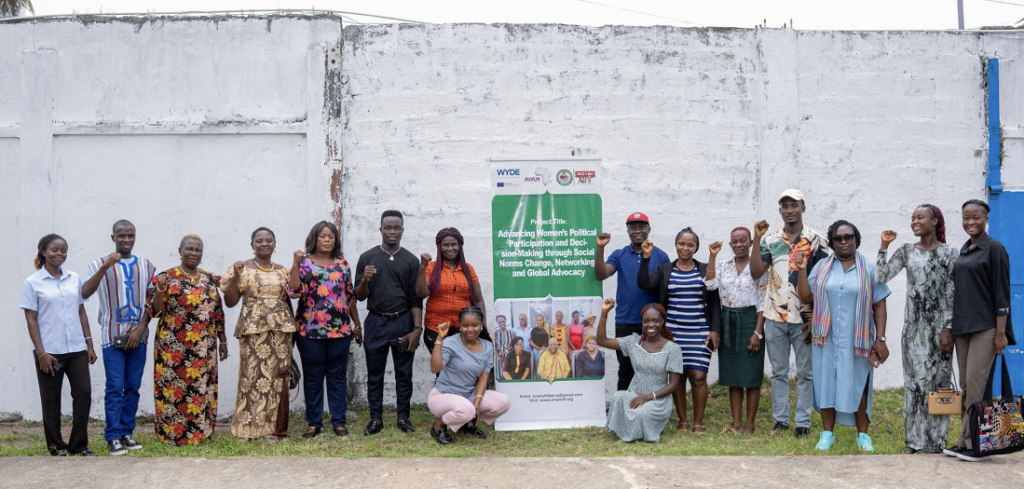
MONROVIA – The Organization for Women and Children (ORWOCH), in collaboration with the African Women Leaders Network (AWLN), began a two-day Learning and Sharing Meeting on Thursday, May 7, 2026, aimed at boosting women’s political participation. The event, held at the Lutheran Compound on 13th Street in Sinkor, Liberia, brought together key stakeholders including rights holders, partners, and decision-makers to reflect on the implementation of an ongoing project and assess its results.
The initiative falls under a project titled “Advancing Women’s Political Participation and Decision-Making through Social Norms Change, Networking, and Global Advocacy.” Delivering an overview of the project, Williette P. Arthur, Program Manager of ORWOCH, said the activity uses participatory approaches to facilitate dialogue, knowledge exchange, and collective reflection. A central feature of the activity is the Outcome Harvesting methodology, which she explained will be used to identify, analyze, and validate significant changes—both intended and unintended—influenced by the project.
As indicated by Arthur, participants shared experiences, documented success stories, highlighted challenges, and generated practical recommendations to inform future programming, advocacy, and policy engagement. The organizers noted that despite the implementation of various interventions aimed at promoting women’s rights, leadership, and participation, there is often limited systematic documentation and validation of actual outcomes and impact.
This activity seeks to address these gaps by creating a structured platform for learning, reflection, and outcome validation, ensuring that project contributions are clearly understood, documented, and used to strengthen future initiatives. Specifically, the activity aims to identify, document, and validate key outcomes resulting from ORWOCH and AWLN interventions using the Outcome Harvesting methodology.
The expected results include a verified list of significant outcomes demonstrating changes in behavior, relationships, policies, or practices, increased clarity among stakeholders on the project’s contributions and impact, and evidence generated to support reporting, advocacy, and future programming. A second objective of the project is to facilitate knowledge sharing and collective reflection among stakeholders to capture lessons learned and inform future strategies, with expected results including documented lessons learned, best practices, and challenges, practical recommendations for improving and scaling interventions, and strengthened collaboration and shared understanding among ORWOCH, AWLN, and key stakeholders.
During day one of the sessions, participants engaged in identifying outcomes through group activities, answering questions such as what changed, for whom, when and where it happened, and why any given change was significant. An outcome harvesting session allowed attendees to refine and validate outcomes, including contribution analyses that examined which activities contributed to changes, which actors played a role, what external factors influenced outcomes, and what unintended results emerged.
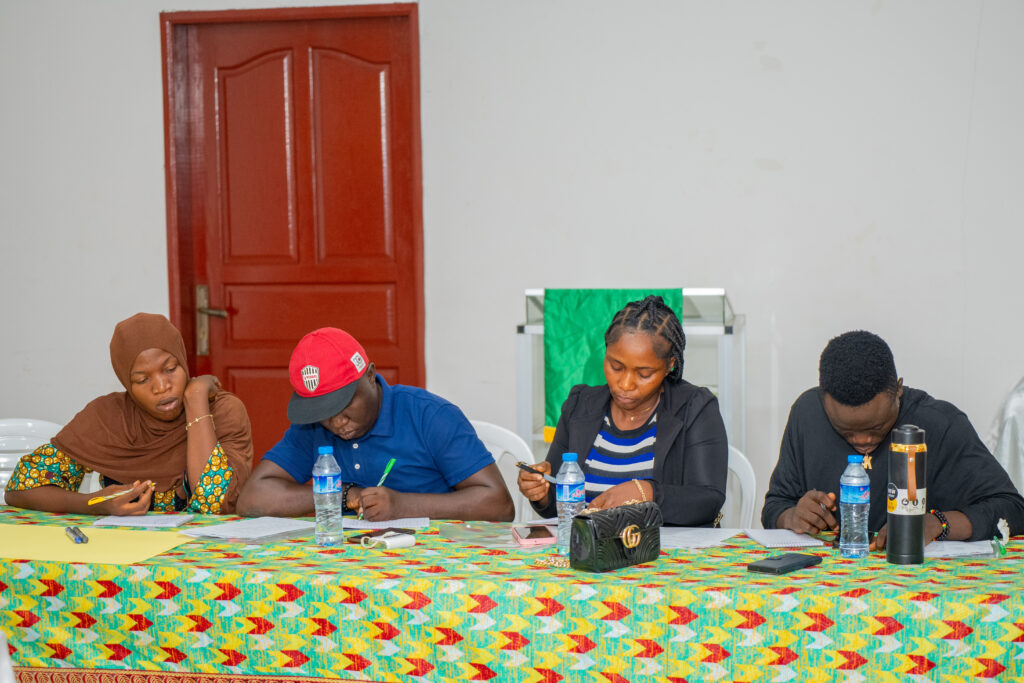
The afternoon featured a learning session with an experience-sharing panel comprising women leaders, youth representatives, partner organizations, and local authorities, with discussions focusing on success stories, barriers to participation, strategies for sustaining gains, and community-level innovations. Participants also completed a lessons-learned template, evaluating what worked well, what did not work, and what should be done differently. Day one closed with a reflection session, where attendees shared one insight gained from the day’s discussions.
Janet Torwon, from the Southeastern Women Development Association in Maryland County, a women-led organization, said the initial project has improved women’s participation in the region, as women have now begun forming part of major conversations and contesting and winning posts at community and county levels. For her personally, she said the initiative has broadened her involvement in major conversations, as she has now gravitated from a county coordinator level to a national coordinator level. Madam Torwon thanked the organizers.
Day two, scheduled for Friday, May 8, 2026, includes thematic group discussions on key drivers of change, barriers encountered, and emerging trends, followed by an action planning session where groups will develop action plans outlining priority recommendations, responsible persons, timelines, required resources, and risk mitigation strategies. A session on sustainability and next steps will address how to institutionalize gains, strengthen partnerships, explore opportunities for scale-up, and develop community ownership strategies.
The meeting will conclude with a workshop evaluation, including a post-survey and a reflection circle where each participant will share one commitment they are making going forward. The Organization for Women and Children is an NGO championing increased women’s participation in decision-making, prevention of sexual and gender-based violence, and dismantling offender stereotypes in Liberia.