

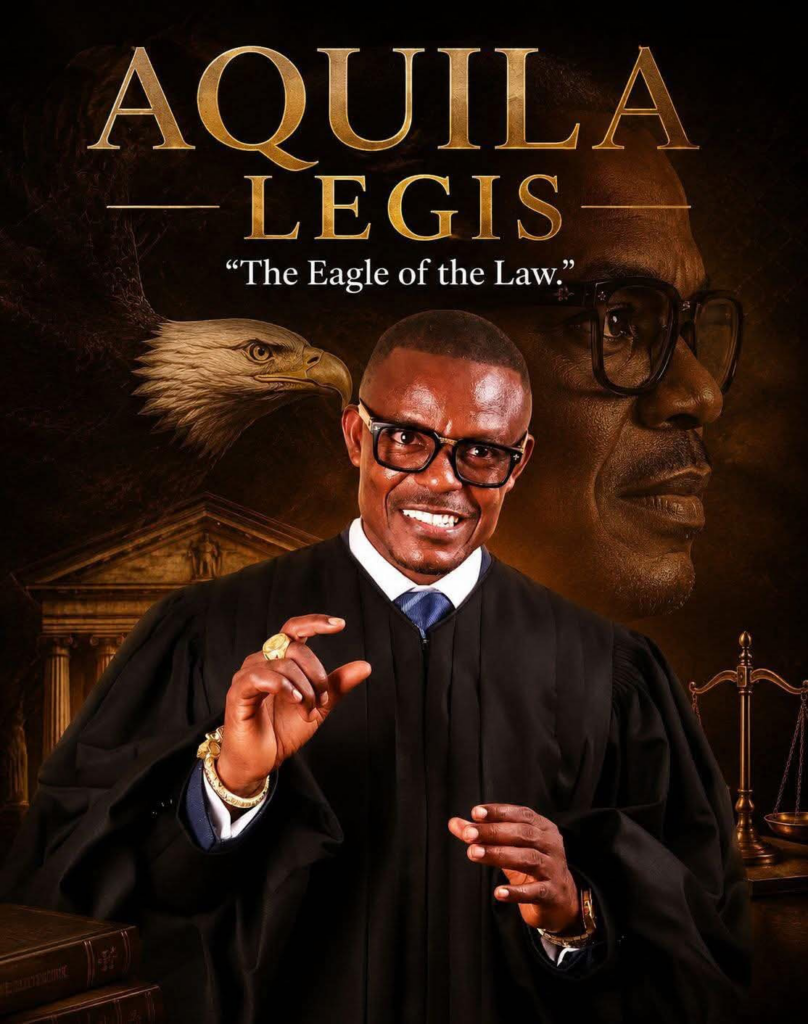
MONROVIA – Prominent defense counsel Cllr. Arthur Johnson has warned that calls to allow prosecutorial appeals after acquittal misunderstand the very foundations of Liberia’s criminal justice system. Cllr. Johnson’s comments follow the Criminal Court “C”’s mixed verdict, which acquitted former Finance Minister Samuel Tweah of all charges in a US$6.2 million corruption case.
“The Historical, Philosophical, and Comparative Constitutional Basis for Liberia’s Adoption of the BAR on Prosecutorial Appeals After Acquittal,” Johnson titled his comments. “… not in the interest of political gain, personal vindication, or partisan position, but to make a worthwhile contribution to the continuing intellectual and constitutional debate over the real roots of criminal jurisprudence and the philosophical history that gave birth to our legal system,” Johnson said.
His comments follow a weekend verdict. After nearly an hour of closed-door deliberations on Friday, a 12-member jury found Tweah—a key opposition figure in the Congress for Democratic Change (CDC)—not guilty of economic sabotage, theft of public funds, criminal facilitation, criminal conspiracy, and money laundering. The same jury convicted former Acting Minister of Justice Cllr. Nyanti Tuan of criminal facilitation and theft, convicted Stanley Ford of theft of property, and found former Security Advisor Jefferson Karmoh not guilty of economic sabotage and theft but guilty of criminal facilitation.
The case involved large state fund transfers from late 2023, including more than L$1.05 billion and US$500,000 moved from government accounts to the Financial Intelligence Agency on September 8, 19, and 21 of that year. Prosecutors argued the transactions lacked legislative approval and violated financial regulations.
Baba Mohammed Boika of the Liberia Anti-Corruption Commission delivered key rebuttal testimony, telling the court that investigators had verified financial movements involving large public funds. “Which joint security agency actually received the money?” Boika asked, noting that institutions consulted during the investigation denied receiving any of the contested funds.
Johnson, who served as defense counsel, had argued during trial that the funds—estimated at US$6.4 million—were lawfully used for emergency security operations amid regional tensions along the Guinea–Liberia border. He maintained that security expenditures are inherently classified and not subject to ordinary public disclosure. But beyond the trial’s outcome, Johnson now directs attention to a broader constitutional question: whether Liberia should adopt rules allowing prosecutors to appeal acquittals.
He firmly rejected the idea that legal architecture should bend to momentary outrage.
“Like that of other common law democracies, the Liberian legal system was not fashioned from the transient desires, sentiments or personal ambitions of individuals, but from lasting constitutional principles, historical experience and carefully evolved doctrines to protect liberty and limit arbitrary governmental power,” Johnson asserted.
He accused some commentators of spreading “continuing misconceptions and misinterpretations” about the nature, purpose, and constitutional architecture of the criminal justice system. “It is my aim to encourage principled legal debate,” Johnson said, “and to expose the continuing misconceptions and misinterpretations that have become more common about the nature, purpose and constitutional architecture of our criminal justice system.”
The prosecution had insisted during trial that the failure to identify specific beneficiary security agencies raised serious accountability concerns. Prosecutors told the jury that national development priorities demand transparency, not secrecy, in handling public money. Presiding Judge of Criminal Court “C” reminded jurors to base their decisions strictly on the evidence and the law, warning against sympathy or external influence.