


-Warns of Land Fraud Gangs
By Sampat JMB Kpakimah
MONROVIA – The Liberia Land Authority (LLA) is appealing to the Government of Liberia for increased investment in the land sector, warning that severe funding shortages are crippling the institution’s ability to combat illegal land sales and effectively regulate the country’s land governance.
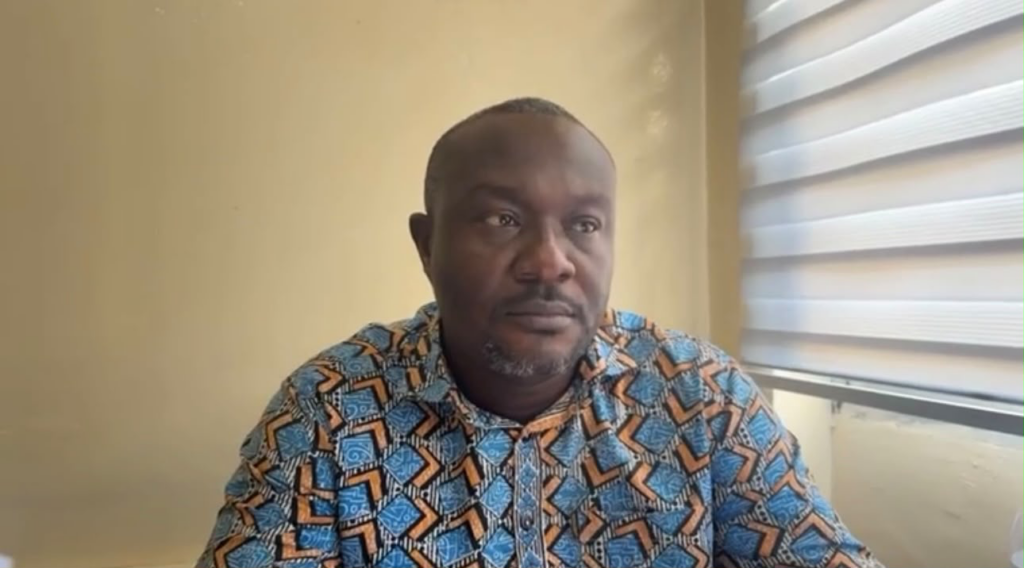
Kweshie Tetteh, Public Relations Officer of the LLA, told the Liberia News Agency in an exclusive interview that the Authority—mandated to develop policies, programs, and projects for improving land governance and resolving land disputes—is operating at a fraction of its required capacity due to chronic financial constraints.
“Globally, many conflicts are linked to land disputes. In a country like Liberia, government must take the land sector seriously and invest in it because we are responsible for regulating and managing the entire sector,” Tetteh said. Describing land as “life” and a critical national asset, the LLA spokesman disclosed that organized criminal gangs are exploiting the institution’s weakness by engaging in systematic illegal land sales.
“There are gangs that illegally sell people’s land. To curtail this, government must invest in the sector so that we can effectively implement regulations and enforce the law,” he stated. Tetteh revealed that the Authority has trained and licensed surveyors and professionals capable of addressing land governance challenges, but insufficient funding continues to undermine their work.
He lamented that many staff members are forced to use personal resources—including paying for transportation and riding motorcycles—to conduct field operations. “We have highly competent surveyors, some with master’s degrees, earning less than US$250 a month. These are trained experts providing essential services to the country,” he said.
The LLA official further noted that although many qualified Liberians return home with the necessary expertise, the institution lacks the financial capacity to employ them. According to Tetteh, the Authority should ideally maintain a workforce of at least 1,300 employees nationwide, but currently operates with approximately 300 staff members—a staffing gap of nearly 77 percent.
While the LLA boasts one of the most decentralized government structures, with offices established across the country, Tetteh acknowledged that many county offices lack the logistics and operational support required to function effectively. “Our county offices are there, but in many cases, employees are simply sitting because they do not have the resources to carry out their responsibilities,” he noted.
Despite repeated engagements with the Legislature—including presentations, meetings, and follow-up discussions—Tetteh said little progress has been made in securing increased budgetary support.
“This is not about politics. It is the reality. The Liberia Land Authority is a technical institution and a service provider. Government should view us as such and provide the necessary support,” he stressed.
International Partners Step In, but Needs Remain
Tetteh expressed appreciation for the Boakai administration’s efforts while noting that much more remains to be done. He also thanked international partners, particularly the World Bank and the Swedish International Development Cooperation Agency (SIDA), for their continued assistance.
He recalled that the World Bank provided vehicles and training for staff through a project implemented during former President Ellen Johnson Sirleaf’s administration, but noted that those vehicles are now approximately nine years old and worn out.
Additionally, SIDA supplied specialized surveying equipment valued at approximately US$600,000 and provided professional training for staff. “When we are going to survey land and we do not have vehicles, do you expect us to transport such expensive and sensitive equipment on motorcycles?” he asked.
Highlighting recent achievements, Tetteh said the Authority has undertaken legal land registration initiatives, implemented reforms, and introduced new due diligence procedures aimed at improving land administration.
He called on lawmakers to support county offices and assist in expanding public awareness programs on land rights and governance, noting that increased community outreach, town hall meetings, radio programs, and public service announcements would help educate citizens and significantly reduce land-related disputes across the country.
The Liberia Land Authority, established to spearhead land reforms and address land disputes, has collaborated with several government agencies—including the Ministry of Public Works, Liberia Water and Sewer Corporation, and the Ministry of Mines and Energy—to fulfill its mandate. However, officials warn that without urgent government intervention, the institution’s capacity to protect citizens’ land rights will continue to erode.