

-As Climate Crisis Worsens
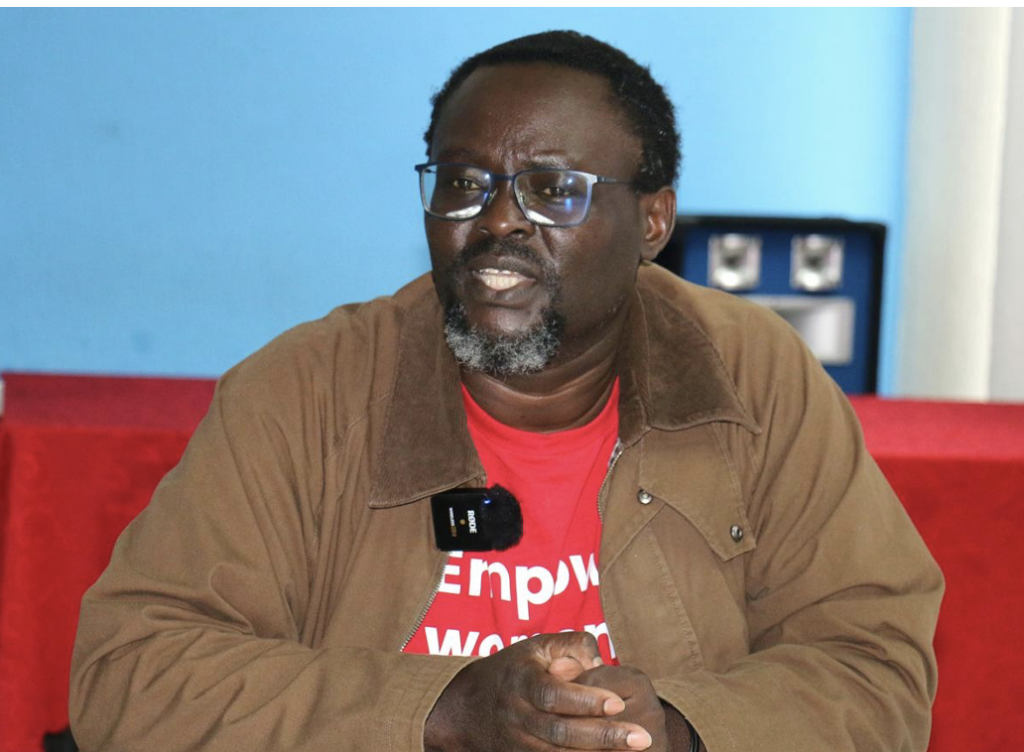
MONROVIA – The Secretary General of ActionAid International, Arthur Larok, has called on Liberia to take urgent steps to tackle plastic pollution, describing the widespread presence of plastic waste across the country as “shocking.”
Speaking Thursday as he wrapped up his first ever visit to Liberia during a press briefing, in Monrovia following a week-long visit to Liberia, Larok said the climate crisis remains one of the greatest challenges facing the country and the world, noting that visible environmental degradation, particularly plastic pollution, is worsening the situation.
“If there’s one thing that I go back to South Africa concerned about, it is the climate crisis,” Larok said. “Floodings, plastics—I was really sad. Everywhere I went, the amount of plastics in this country is shocking.”
The ActionAid chief proposed what he described as a “plastic-free Liberia” campaign, urging citizens, government institutions, civil society organizations and the media to work together in reducing plastic waste across the country.
“We should start a campaign with all of you—a plastic-free Liberia. I’m telling you, it will be impactful,” he said.
Larok explained that while local efforts such as cleaning beaches and planting trees are important, long-term solutions to climate change require addressing the root causes of environmental degradation, including excessive reliance on fossil fuels and unsustainable industrial production.
According to him, ActionAid’s global climate justice campaign, known as “Fund Our Future,” advocates for shifting investments away from industries that drive climate change and toward renewable energy and community-led climate solutions.
Investment in Women Key to Sustainable Development
Beyond environmental concerns, Larok praised the impact of ActionAid’s programs in rural Liberia, particularly those focused on empowering women and girls.During his visit, he traveled to communities in Gbarpolu County where ActionAid has implemented projects aimed at ending harmful traditional practices and promoting women’s economic empowerment.
He described his interactions with women in the communities as one of the most inspiring aspects of his trip.
“I could never have read in any statistic the feeling I had interacting with women and young people in the community,” he said. “Stories of women who have left harmful traditional practices and found alternative livelihoods deeply inspired me.” Larok emphasized that governments and development partners must continue investing in women and women’s leadership.
“We must continue to invest in women and women’s leadership. This is so important. It has such a powerful multiplier effect,” he noted. He also stressed the importance of connecting community-level initiatives with national development strategies to ensure long-term sustainability.
Youth Are Leaders of Today
The ActionAid Secretary General also challenged the long-standing notion that young people are merely the leaders of tomorrow, insisting that they should play a greater role in national decision-making today.
“Youth are not leaders for tomorrow. They are leaders of today because tomorrow is next,” Larok declared.
Expressing concern about the low representation of young people in governance, he cited reports indicating that although approximately 70 percent of Liberia’s population is youthful, young people account for only a small percentage of cabinet members and lawmakers.
“We must change this,” he said. “Young people and women should be part of the decision-making process around budget allocation.”
He encouraged Liberian youth organizations to develop a strong and unified policy agenda that political parties can adopt and implement.
Liberia’s Recovery a Story Worth Telling
Larok also used the occasion to commend Liberia’s progress since the end of its civil conflict, describing the country’s recovery as an example from which other nations can learn. Following meetings with United Nations agencies, government institutions and civil society organizations, he said Liberia’s achievements in rebuilding peace and stability deserve greater international recognition.
“The UN reminded us that we must celebrate Liberia’s tremendous reversal of challenges,” Larok said. “Many countries are still struggling, but Liberia has moved forward. There is a lot the world can learn from Liberia.” He further pledged ActionAid’s continued collaboration with government agencies, INGOs, and local partners to strengthen development efforts and mobilize resources for communities across the country.
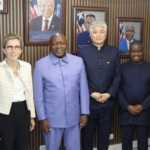
Larok visited Liberia from June 15-18 and held series of engagements with key government institutions that ActionAid Liberia has had partnership with.
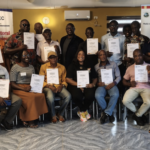
He also held talks with UN agencies and International Non-governmental Organizations (INGOs), leading civil society organizations, youth groups, and he visited Gbarma in Gbarpolu County where ActionAid Liberia currently implements the Just and Equal Communities Project. His visit to Gbarma according to him was to hear and see first-hand the impact of the JEC project,
from the beneficiaries themselves.
During the visit to Gbarma, Arthur engaged with local stakeholders, traditional chiefs, former FGM practitioners now Change Champions, women, youths, and members of Gbarpolu County Development Council. He told journalists that his visit was also geared at affording him the opportunity to clearly see the ActionAid country program impact from the lived experiences of the people rather than just reading about it in annual or programmatic reports, he said.