

-In Nimba County
By Shallon S. Gonlor |
shallonsgonlor@gmail.com
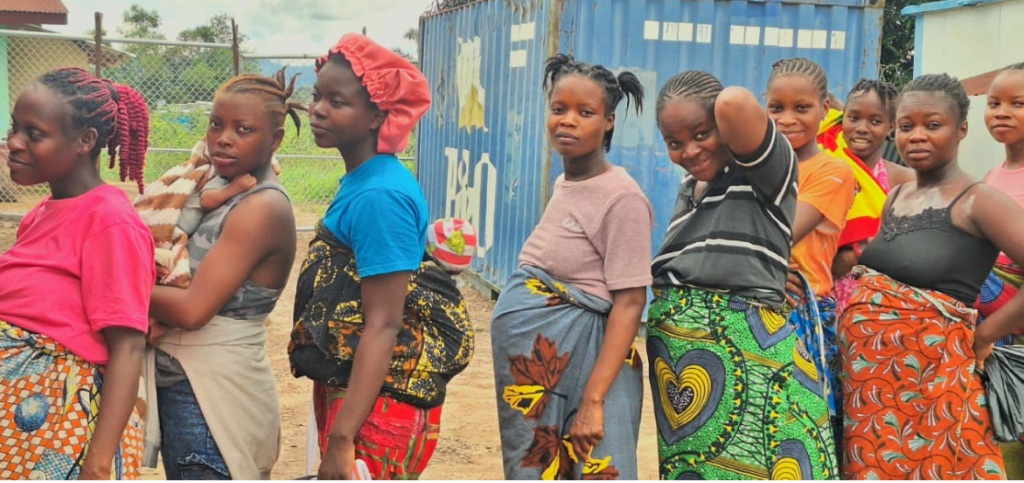
NIMBA COUNTY, Liberia — Several pregnant women, and children from communities across Nimba County have been traveling long distances from their homes to access life-saving vaccinations at a one-stop Expanded Program on Immunization (EPI) vaccination center in Sanniquellie City, Nimba County.
The beneficiaries lined up at the vaccination center to receive vaccines designed to protect them, particularly children and pregnant women, against a range of serious vaccine-preventable diseases, including tuberculosis, diphtheria, pertussis (whooping cough), tetanus, polio, and measles.
The vaccination exercise forms part of ongoing public-health efforts to increase access to immunization services and ensure that eligible individuals, especially those in vulnerable groups, receive vaccines according to recommended schedules.
Speaking to WomenVoices News Friday in Sanniquellie, Daniel Flomo, a vaccinator at the G.W. Harley Hospital, a government referral health facility in Sanniquellie City, explained that vaccination services are routinely provided to pregnant women, children, and women of childbearing ages.
Flomo said the vaccines are important in preventing serious illnesses and reducing the risk of complications and deaths associated with vaccine-preventable diseases.
According to him, children are particularly vulnerable to infectious diseases, making timely and complete vaccination essential to protecting their health and development.
“Vaccination is very important because it helps protect children and other vulnerable people from diseases that can be prevented through immunization,” Flomo explained.
He noted that beneficiaries do not necessarily receive the same vaccine at every visit, as different vaccines are administered according to age, pregnancy status, previous vaccination history, and the recommended immunization schedule.
Some vaccines require multiple doses or follow-up visits to provide adequate and lasting protection. Flomo therefore encouraged parents, guardians, and other eligible beneficiaries to follow the vaccination schedule provided by health workers and return for subsequent doses when required.
The vaccination program also plays an important role in protecting children against polio and other serious childhood diseases. Maintaining high vaccination coverage within communities can help reduce the spread of infectious diseases and protect people who may be more vulnerable to severe illness.
For pregnant women, vaccination is also an important component of maternal and child health, as certain vaccines are recommended during pregnancy to help protect mothers and their newborns from preventable infections.
Flomo stressed the importance of parents and caregivers keeping vaccination records and ensuring that children receive all vaccines and doses recommended for their age.
He also encouraged community members who have difficulty accessing vaccination services because of distance or other challenges to seek information from nearby health facilities and vaccination teams about available services.
The long distances traveled by some beneficiaries underscore the challenges health authorities face in ensuring equitable access to essential healthcare services, particularly for residents of remote communities.
Despite these challenges, the availability of vaccination services at referral and other health facilities provides an important opportunity for communities to access preventive healthcare and reduce the burden of vaccine-preventable diseases.
Health workers continue to encourage communities to make vaccination a priority, emphasizing that prevention through immunization remains one of the most effective ways to protect children, pregnant women, and other vulnerable populations from serious infectious diseases.
Flomo said beneficiaries should not wait until they or their children become sick before seeking preventive healthcare, urging eligible individuals to visit health facilities and vaccination centers and follow the guidance of trained health workers.
The vaccination campaign is expected to continue contributing to Liberia’s broader efforts to improve immunization coverage, protect vulnerable populations, and prevent avoidable illness and deaths caused by vaccine-preventable diseases.