


-Points Public to Regulated Pharmacies
By Jessica Cox
MONROVIA — The Liberia Pharmacy Board is warning the public to stop buying medicines from street vendors, saying unregulated sellers expose Liberians to substandard and potentially dangerous drugs.
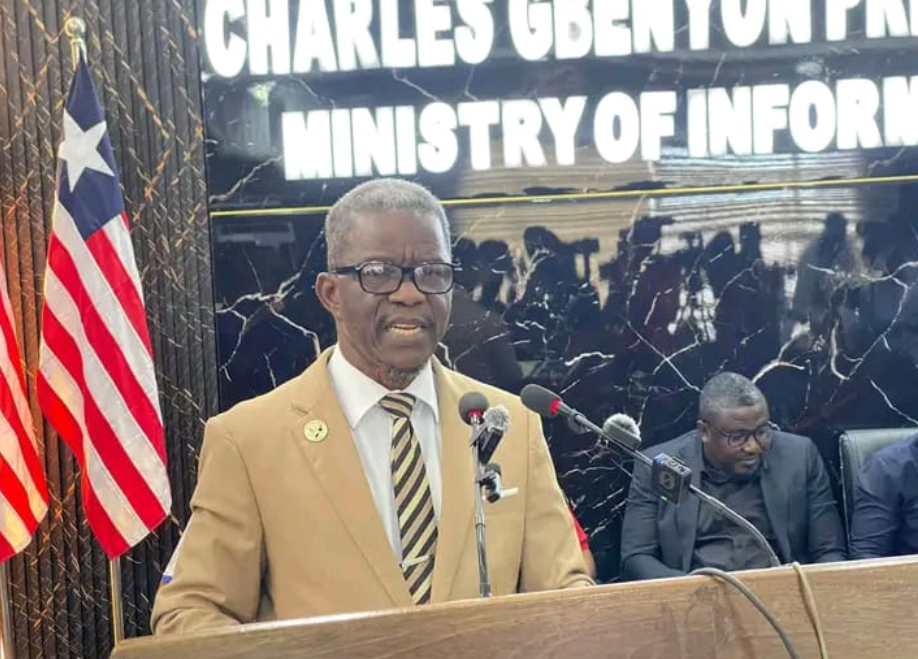
Speaking at the Ministry of Information’s regular press briefing, the Board’s Registrar General and Chief Executive Officer, Dr. Menmon Dunah, said medicines sold from buckets and other unauthorized locations carry no guarantee of quality, storage or authenticity.
He urged Liberians to buy only from licensed pharmaceutical establishments, seek advice from qualified pharmacy professionals and follow their instructions when taking medication.
Pharmacies as First Point of Care
Dr. Dunah said regulated community pharmacies are increasingly the country’s front line of healthcare, particularly in rural areas where health facilities are scarce.
He cited research showing more than half of people who fall ill first seek advice or treatment at a community pharmacy — a figure that underscores how much routine care now depends on these outlets.
According to Dr. Dunah, community pharmacies shorten the distance people must travel for medicines and professional care, ease pressure on hospitals and health centers by handling minor conditions, and help patients with chronic illnesses such as diabetes and cancer maintain treatment through reliable prescription refills.
They also reduce dependence on street sellers, he said.
Warning on Procedures
Dr. Dunah cautioned that pharmacies and medicine stores are not authorized to perform certain medical procedures, including administering injections, conducting deliveries and managing wounds. Those services, he said, belong in health facilities.
He called on communities to report suspected illegal pharmaceutical activity to authorities, saying public cooperation is essential to keeping unauthorized medicines off the market.
Regulation Expands Beyond Monrovia
The Board said it has strengthened oversight through routine and investigative inspections, licensing of qualified personnel and enforcement of standards for pharmaceutical establishments. Services have expanded to all 15 counties, and the Board opened its first regional office in Ganta, Nimba County, with plans for three more hubs in Grand Gedeh, Lofa and Cape Mount.
Dr. Dunah also cited the completion of Liberia’s first National Pharmaceutical Clinic Census, a Doctor of Pharmacy internship program now monitoring 51 interns nationwide, and a review of the certified dispensers’ training curriculum. A national training program for dispensers is expected to begin in late October.
He named inadequate operational funding, limited transportation and logistics, human resource constraints and the rapid growth of pharmaceutical establishments as the Board’s main challenges, and called for government support for a proposed Liberia Postgraduate College of Pharmacists to offer specialized training and residency programs.
“A stronger pharmaceutical regulatory system is the foundation for a stronger health system,” Dr. Dunah said.