

By Shallon S. Gonlor |
Shallonsgonlor@gmail.com
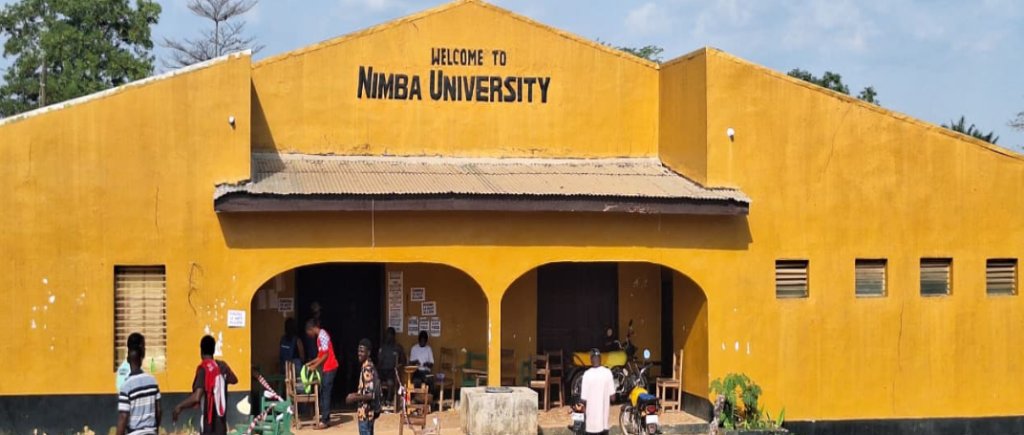
NIMBA COUNTY, Liberia — The Nimba University Faculty Association (NUFA) has raised concerns over what it describes as an alarming 81.06 percent reduction in the university’s proposed budgetary allocation for Fiscal Year 2027, calling on the Government of Liberia, Nimba County Legislative Caucus, and other stakeholders to urgently intervene before the national budget is passed into law.
The association is rallying support behind an appeal by the Nimba County Legislative Caucus for an increase in government funding to the only government-run university in the county, warning that the proposed reduction could undermine academic programs, institutional growth, faculty welfare, and the overall sustainability of the county’s premier public higher education institution.
Liberia’s proposed national budget for Fiscal Year 2027, covering January 1 to December 31, 2027, amounts to US$1,538,916,274, approximately US$1.54 billion.
Finance and Development Planning Minister Augustine Kpehe Ngafuan submitted the draft budget to the National Legislature on November 6, 2026, under the theme, “A Growing Budget for Bigger Impact: Accelerating the Implementation of the ARREST Agenda for Inclusive Development.”
However, despite the proposed growth in the national budget, NUFA says Nimba University’s allocation has been drastically reduced from US$2,023,360 in the 2026 national budget to just US$386,200 in the proposed 2027 budget.
The reduction represents approximately 81.06 percent, leaving the university with US$1,637,160 less than its previous allocation.
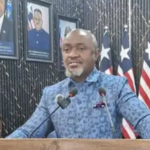
In a press release issued Wednesday, November 18, 2026, NUFA President G. Adonis Gwesiah described the proposed reduction as a serious threat to the university’s future and called for immediate collective action to prevent what he considers an unfair financial decision.
Gwesiah said the association could not remain silent while the future of the institution was being threatened by financial constraints that could be addressed through collective advocacy and government intervention.
“The faculty cannot remain silent while the future of our university is threatened, and we cannot allow accredited programs with active enrollment to face discontinuation over financial challenges that collective action can address,” Gwesiah stated.
He emphasized that Nimba University is not merely an institution belonging to its employees and students but an important public investment owned by the people of Nimba County and Liberia at large.
“Nimba University does not belong only to its employees or students. It belongs to the people of Nimba and Liberia by extension, and it is an investment in the future of our county and of Liberia,” he added.
NUFA Supports Legislative Caucus’ Appeal
According to the association, on November 16, 2026, a formal letter was addressed to the Nimba County Legislative Caucus through the office of Representative Nyan Flomo, requesting an increase in the university’s proposed 2027 budgetary allocation.
The association said the request forms the basis of the Legislative Caucus’ appeal to the national government and expressed its full support for the lawmakers’ intervention.
NUFA is particularly calling on the Nimba County Legislative Caucus, the Ministry of Finance and Development Planning, the Office of Vice President Jeremiah Kpan Koung, and the Office of President Joseph Nyuma Boakai to give urgent attention to the matter.
The association maintains that the US$2,023,360 allocated to the university in 2026 was already insufficient to meet its growing institutional responsibilities, including increasing student enrollment, staffing requirements, academic programs, faculty qualifications, and operational expenses.
It therefore considers the proposed reduction to US$386,200 particularly troubling at a time when the university requires additional financial resources to strengthen its academic and administrative operations.
Questions Raised Over Unequal Funding of Public Institutions
NUFA has also questioned what it considers unequal treatment in the distribution of government funding among public universities and colleges across Liberia.
According to the association, while Nimba University faces a proposed reduction of more than 80 percent, other public higher education institutions have received substantial increases in their proposed allocations.
The association further alleged that a public university that received approximately the same level of funding as Nimba University in the 2026 national budget has been granted an additional US$1.5 million in the proposed 2027 budget.
The association argues that such disparities raise questions about fairness, equity, and the government’s commitment to strengthening higher education institutions outside Monrovia.
It maintains that Nimba University’s growing student population, qualified academic personnel, and expanding academic programs require corresponding financial support rather than a drastic reduction in operational funding.
29 Accredited Degree Programs at Risk
Of particular concern to the faculty association is the potential impact of the proposed reduction on the university’s academic programs.
NUFA disclosed that Nimba University currently offers 16 accredited bachelor’s degree programs and 13 accredited associate degree programs under the regulatory framework of the National Commission on Higher Education.
These 29 accredited programs provide opportunities for hundreds of students from Nimba County and other parts of Liberia to pursue higher education without necessarily relocating to Monrovia or other urban centers.
The association warned that inadequate financial support could affect the continued operation, expansion, and sustainability of these programs.
It further cautioned that financial constraints could undermine the university’s ability to maintain essential academic services, retain qualified faculty, improve teaching and learning facilities, and meet the operational requirements of its growing student population.
NUFA argues that the government’s commitment to educational development must be reflected in adequate and equitable financial support for public institutions, particularly those serving rural and underserved communities.
Four Key Demands to Government
In its appeal, the faculty association called on the Government of Liberia, particularly the Ministry of Finance and Development Planning, to take immediate steps to address the proposed reduction.
The association outlined four major demands:
1. Fair and equitable treatment: Ensure that Nimba University receives fair consideration in the distribution of government funding, consistent with the treatment accorded to other public universities.
2. Increase in budgetary allocation: Provide Nimba University with an increase in its 2027 allocation comparable, in percentage terms, to increases granted to other public universities instead of imposing a substantial reduction.
3. Consideration of legislative appeal: Give due consideration to the Nimba County Legislative Caucus’ request for an increase in the university’s proposed 2027 budget.
4. Urgent intervention: Intervene before the proposed national budget is finalized, as the National Legislature is expected to begin deliberations on the draft budget soon.
Stakeholders Urged to Rally Behind Nimba University
Beyond government intervention, NUFA is calling on a broad range of stakeholders to join the Nimba County Legislative Caucus in advocating for increased financial support for the institution.
Those specifically identified include the Board of Trustees of Nimba University, members of the National Legislature from Nimba County and across Liberia, traditional leaders, community authorities, businesspeople, private-sector stakeholders, former students, concerned citizens, and sons and daughters of Nimba County and Liberia.
The association urged stakeholders to put aside political, personal, and institutional differences and collectively defend the university’s future.
It warned that Nimba University should not be left behind while other public higher education institutions benefit from increased government allocations.
Making an emotional appeal for collective responsibility, Gwesiah stressed that the institution’s survival and development should be a shared concern of everyone who values educational advancement in Nimba County and Liberia.
“Today, Nimba University needs Nimba and Liberia. Tomorrow, our children will need Nimba University. Let us not wait until the damage is irreversible. Let us speak with one voice, act with one purpose, and demand what is fair for our university,” he declared.
He concluded with a strong appeal: “NIMBA UNIVERSITY NEEDS NIMBA AND LIBERIA, AND THEY MUST STAND FOR THE UNIVERSITY!”
Rural Universities Previously Raised Funding and Welfare Concerns
The latest appeal by NUFA comes against the backdrop of broader concerns over inadequate government support, salary disparities, and unequal funding among public higher education institutions in Liberia.
On Tuesday, October 27, 2026, presidents of rural public colleges and universities across Liberia appeared before the Liberian Senate to discuss disparities in salaries and benefits and advocate for improved working conditions for academic personnel serving outside Monrovia.
During their presentation, the university and college presidents outlined several challenges affecting the administration and operations of their respective institutions.
Their demands included housing and transportation allowances, life insurance, research allowances, and relocation incentives for faculty members assigned to institutions in rural counties.
They argued that improving the welfare of lecturers and other academic personnel is essential to attracting and retaining qualified professionals, particularly in rural communities where access to essential services and professional opportunities may be limited.
The university presidents also called for a fairer distribution of operational funding across Liberia’s public higher education sector, arguing that significant disparities in government allocations continue to constrain the development of county-based institutions.
Institutions identified as experiencing financial constraints included Tubman University, Grand Bassa University, Nimba University, Lofa County Community College, Bomi County Community College, and other regional institutions.
They cautioned that limited financial resources make it increasingly difficult for rural institutions to offer competitive compensation packages, maintain basic utilities, improve teaching and learning facilities, and establish or sustain science, technology, and other specialized degree programs.
The university leaders maintained that a more equitable funding framework would strengthen higher education outside Monrovia and expand access to quality tertiary education for students in rural communities without forcing them to relocate to the capital.
A Critical Test for Government’s Higher Education Commitment
The controversy surrounding Nimba University’s proposed 2027 allocation now presents an important question for the national government and the Legislature: how can Liberia promote inclusive educational development while a public university serving one of the country’s largest counties faces such a substantial reduction in its proposed operational funding?
For NUFA, the issue extends beyond the university’s employees and current students. It concerns the educational opportunities of future generations, the development of Nimba County, and the broader national objective of expanding access to quality higher education.
With legislative deliberations on the proposed 2027 national budget approaching, the association is urging government officials, lawmakers, and stakeholders to act before the budgetary process is concluded.
The association’s central message remains that Nimba University requires stronger institutional support, not financial setbacks, to fulfill its mandate of educating future professionals and contributing to Liberia’s national development.