


By Vaye Abel Lepolu
MONROVIA, Liberia – The Environmental Protection Agency (EPA) has warned of a potentially hotter and harsher dry season in Liberia as a strong El Niño weather phenomenon threatens agricultural production, water supplies, and livelihoods across several counties.
In a press release issued in Monrovia, the EPA disclosed that satellite observations have detected signs of water stress affecting croplands in seven counties, with Sinoe County recording the highest level of concern.
According to the Agency, approximately 70 percent of cropland in Sinoe is showing signs of insufficient water, raising concerns about possible agricultural losses if dry conditions persist.
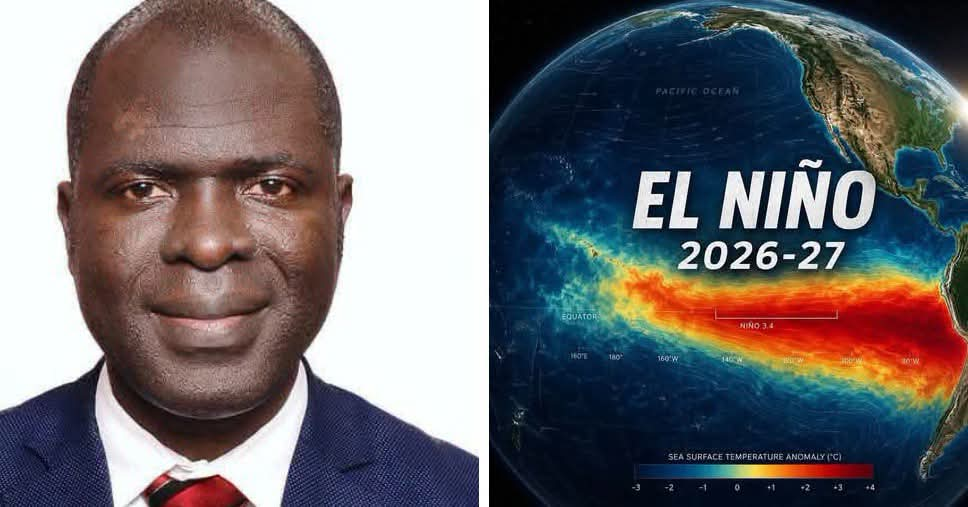
The EPA said the warning comes as El Niño conditions, which emerged in June 2026, have continued to strengthen, with climate scientists projecting that the phenomenon could remain strong or very strong between January and March 2027.
The United States Climate Prediction Center, in an assessment released on November 12, 2026, estimated an approximately 80 percent chance that El Niño would remain strong or very strong during the first three months of 2027, a period that coincides with Liberia’s dry season.
The EPA reported that satellite observations conducted between October 23 and November 1, 2026, detected signs of dryness affecting at least one-quarter of cropland in Sinoe, Grand Kru, Grand Gedeh, Grand Bassa, Rivercess, River Gee, and Grand Cape Mount counties.
The Agency said the satellite findings would help agricultural authorities identify vulnerable farming communities for further investigation and possible intervention.
However, it cautioned that field assessments are necessary to determine which crops are experiencing stress and whether farmers have already suffered harvest losses.
Water Shortages, Bushfires and Electricity Risks
Beyond agriculture, the EPA warned that prolonged dry conditions could lower water levels in wells and creeks, increase the likelihood of bushfires, and reduce river flows needed for electricity generation.
The Agency also cautioned that dry-season conditions do not eliminate the possibility of flooding, noting that heavy downpours could still affect communities located along rivers and creeks.
Meanwhile, the EPA explained that El Niño is a naturally occurring climate phenomenon caused by the unusual warming of surface waters in the central and eastern Pacific Ocean, which influences rainfall and weather patterns in different parts of the world.
The EPA noted that although El Niño existed long before industrial activities contributed significantly to global warming, human-induced climate change has increased temperatures in the atmosphere and oceans.
It explained that the additional heat released during El Niño events can intensify existing warming conditions and make extremely hot periods more dangerous.
The Agency added that scientists are still studying the extent to which climate change influences the strength of individual El Niño events.
As the country prepares for the potentially difficult dry season, the EPA has urged households and communities to take precautionary measures.
Residents have been advised to drink safe water regularly, rest in shaded areas during hot weather, and carry out demanding outdoor activities during cooler hours.
The Agency also encouraged families and communities to check on elderly people and vulnerable neighbors, particularly those living alone.
Farmers were advised to consult agricultural extension officers and pay close attention to seasonal weather forecasts before planting, as the first rainfall could be followed by another dry spell capable of affecting crops.
Additionally, the EPA urged community leaders to report declining water levels and damaged hand pumps early to allow authorities to arrange repairs or identify alternative water sources.
The Agency further called on residents to listen to community radio stations for official weather updates and warnings from the National Disaster Management Agency and share such information with others.
With agricultural water stress already detected in seven counties, the EPA’s warning places renewed attention on the need for early preparedness, agricultural support, and effective disaster-risk management to protect farmers, food production, and vulnerable communities during the approaching dry season.