

-LEITI Report Exposes Huge Gap in Liberia’s Resource Benefits
By: G. Bennie Bravo Johnson, I
Monrovia: Liberia exported US$1.35 billion worth of minerals, oil, forestry, and agricultural commodities in 2023, yet the Government received only US$152.46 million in total extractive sector revenue, according to the 16th Liberia Extractive Industries Transparency Initiative (LEITI) Report. The figures reveal a sharp imbalance between the enormous value of resources taken out of the country and the modest financial benefits retained by the state.
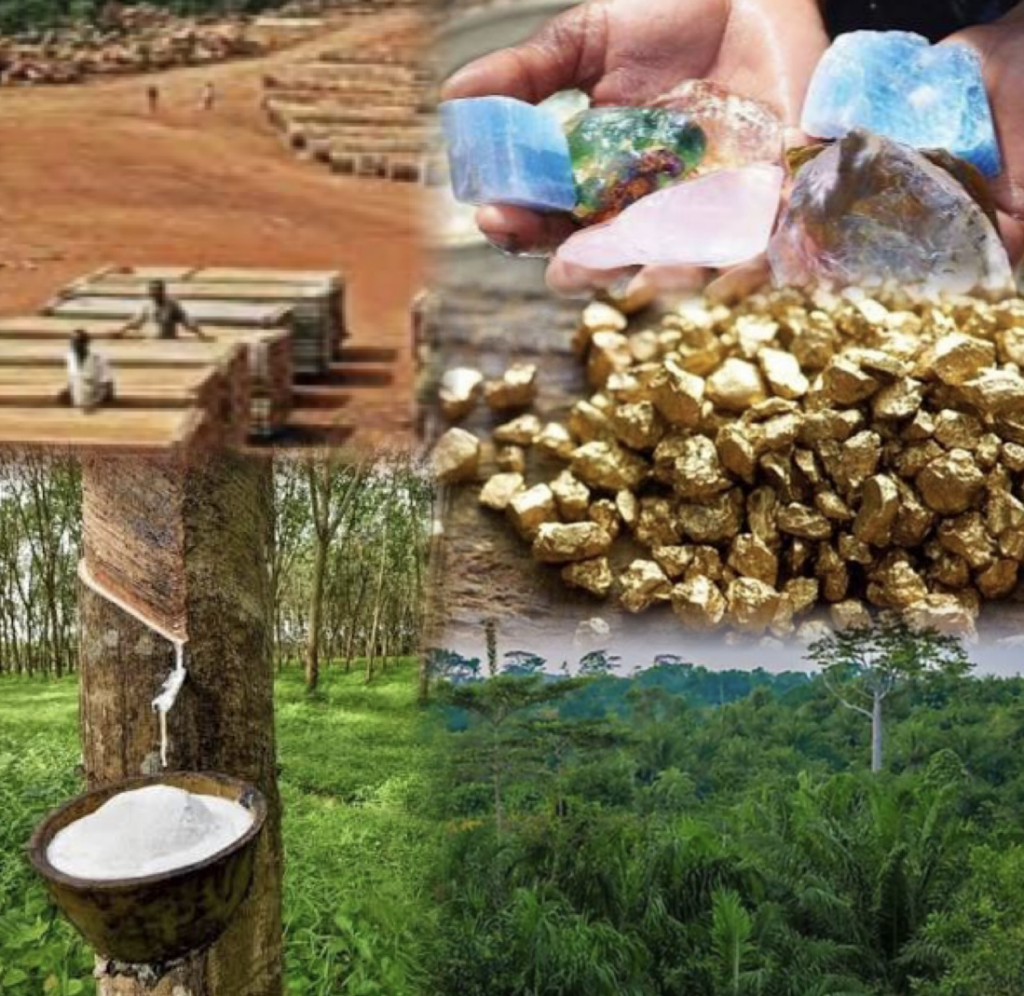
Of the US$1.35 billion in exports, gold alone accounted for US$660.34 million, iron ore US$482.7 million, rubber US$103 million, crude palm oil US$82.79 million, and diamonds US$17.91 million. Major operators dominated these exports, with Bea Mountain Gold shipping minerals valued at over US$691 million, ArcelorMittal exporting iron ore worth US$271 million, and Western Cluster adding more than US$93 million in iron ore exports.
In contrast, total government revenue from the entire extractive sector for the same period stood at US$152.46 million. Mining, the largest contributor, generated US$121.49 million, while agriculture brought in US$23.97 million, forestry US$6.45 million, and oil and gas just US$550,000—a fraction of the wealth extracted and exported.
While Liberia’s soil yields minerals worth billions on the global market, the country’s fiscal gains remain limited, raising questions about value retention, revenue capture, and the real benefits accruing to ordinary Liberians.
The LEITI report, commissioned by the Multi-stakeholder Steering Group (MSG) and prepared by BDO UK in collaboration with HLB Liberia, details the flow of revenues and exports across the mining, agriculture, forestry, and oil and gas sectors for 2023. It was developed under the Conventional Reporting Framework, allowing reconciliation of company and government data in line with the EITI 2023 Standard.
Beyond revenues and exports, the report shows that the extractive sector employed 19,345 people during the period—16,602 men and 2,743 women—highlighting the sector’s importance as a source of jobs, even as concerns persist about the quality and sustainability of employment. Bea Mountain alone recorded 1,110 permanent foreign employees, reflecting continued reliance on expatriate labor in key operations.
The MSG also flagged governance concerns, identifying suspicious transactions involving the Liberia Petroleum Regulatory Authority, ArcelorMittal, and the Liberia Revenue Authority. These cases have been forwarded to the Liberia Anti-Corruption Commission for investigation, signaling unresolved accountability gaps within the sector.
To improve transparency and public access to information, the MSG launched the LEITI Data Portal alongside the report, as well as an Updated Simplified Contract Matrix produced by Millennium Partner. These tools are intended to help citizens better understand contracts, revenues, and obligations in the extractive industries.
LEITI announced that the report will be disseminated nationwide to engage citizens and gather feedback on improving governance of the sector. The findings will also inform an upcoming MSG retreat in Grand Bassa County, as Liberia prepares for validation by the EITI International Secretariat beginning January 1, 2026.
While reaffirming government commitment to transparency and accountability, the report serves as a stark reminder of Liberia’s extractive dilemma: vast natural wealth continues to leave the country in raw form, while public revenues and long-term developmental gains remain comparatively small.