

By: Shallon S. Gonlor |
shallonsgonlor@gmail.com
NIMBA COUNTY, Liberia — G. W. Harley Hospital is facing renewed scrutiny over its waste management practices, with residents alleging poor disposal methods and contaminated water sources.
However, the hospital administration has denied these claims, maintaining that they have adequate systems in place.
Residents near the government-run facility in Sanniquellie, Nimba County, have expressed severe health concerns over the facility’s alleged poor waste management system — a gateway to open air pollution and health hazard. The hospital, one of Liberia’s key referral centers in the county, is being accused of endangering thousands of lives with medical waste pollution due to inadequate disposal facilities.
Locals claim the hospital’s practices are reckless, posing serious health risks. Authority of the hospital faces backlash for allegedly prioritizing health services over community safety, highlighting systemic healthcare challenges facing thousands of homes near the hospital’s premises over decades without redress.
In an interview with WomenVoices Newspaper on Monday, March 9, 2026, scores of residents highlighted their frustrations. Linda Gaye, a 32-years-old woman with 3-children alarmed about air pollution caused by medical waste, fearing healthy life. She emphasized that the practice by the hospital goes against international medical best practices.
Exposure to medical waste poses significant health risks, from physical injuries to chronic diseases. About 15% of healthcare waste is considered hazardous, meaning it is infectious, toxic, or both. Elder Joseph Lablah, also shared his personal struggle, saying the constant burning of medical waste near his home has taken a toll on his health. He said he has been diagnosed with tuberculosis and other diseases, which he attributed it to the hazardous practice. “It’s like living in a toxic zone,” he said, visibly distressed.
LThe residents near the hospital are demanding improved waste management, citing reports of infectious diseases like HIV/AIDS, Hepatitis B and C, and tuberculosis. Other risks include cholera, respiratory infections, and skin diseases.
The G. W. Harley Hospital, like other healthcare facilities, medical waste often contains hazardous chemicals like mercury from broken thermometers, solvents, and disinfectants, which can cause poisoning, chemical burns, or long-term organ toxicity.
Residents also disclosed a resounding alarm about their contaminated drinking water. Untreated liquid waste and landfill leachate are polluting groundwater and surface water, posing a serious health risk.
Eve Dolo, a 19-year-old mother, spoke out, “My child deserves clean water and a safe environment.” Eve said she is worried about her children’s health, like many other mothers in the area, as children developing immune systems make them more susceptible to waterborne illnesses.
According to the World Health Organization (WHO), about 85% of healthcare waste is general and non-hazardous, while 15% is hazardous, potentially being infectious, toxic, carcinogenic, flammable, corrosive, reactive, explosive, or radioactive.
The issue of medical waste disposal is also global concern. Every year, an estimated 16 billion injections are administered worldwide, but many needles and syringes are not disposed of properly. This can lead to serious health risks, including the spread of infectious diseases.
Here at G. W. Harley Hospital, burning and low-temperature incineration of medical waste released toxic pollutants like dioxins, furans, and particulate matter into the air, posing health risks to nearby homes and communities, according to the hospital’s community dwellers. The residents are calling for proper waste management, a key to preventing risks associated, adding that implementing safe disposal practices can significantly reduce the spread of diseases and protect both people and the environment.
WHO has emphasized that safe management of health-care waste is crucial to preventing adverse health and environmental impacts. G. W. Harley Hospital’s Administrator, Alex L. Gban, has denied the residents’ allegations, calling them “fake and misleading.” He acknowledged the concerns, but said they come at a time when the hospital is operating a brand-new incinerator and has proper waste disposal systems in place.
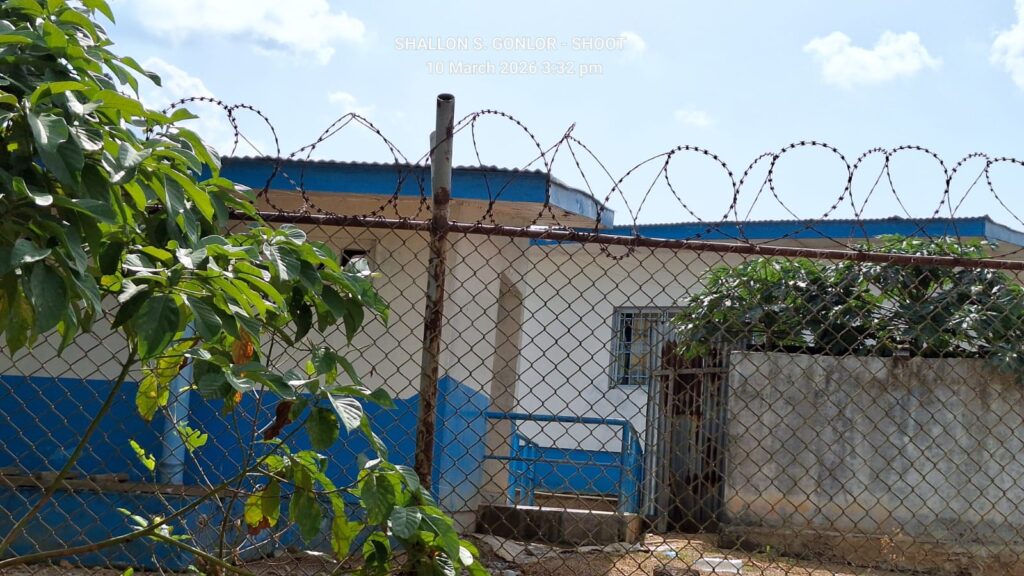
“We have a pit for organic waste and an incinerator for medical waste,” Gban explained. He emphasized his familiarity with the hospital’s operations, stating, “I live within the hospital, my office is here, so I know everything about this hospital to the best of my knowledge,” he said via telephone call.
Administrator Gban pushed back against the residents’ claims, stating that G. W. Harley Hospital has a robust waste management system in place. “We have a standardized system for managing medical waste, from collection to disposal,” he said, emphasizing that used medical equipment is handled and disposed of properly.
Mr. Gban reiterated the hospital’s commitment to maintaining high standards of hygiene and safety, suggesting that the residents’ concerns may be unfounded. Despite available data showing no specific public claims or incident reports directly linking G. W. Harley Hospital in Sanniquellie, Nimba County, to recent medical waste mismanagement, concerns about healthcare waste management in Liberia persist.
A 2016 survey revealed that hospitals in Liberia often have inadequate, unsecured, and unsanitized on-site storage, posing risks to waste handlers and the environment. This is consistent with broader reports on poor waste management practices in Liberia.
If confirmed, the allegations against G. W. Harley Hospital would mark the first-ever reported incident under the current administration headed by Dr. Ponnie Robertlee Dolo.
The hospital’s waste management practices are particularly concerning, given the potential health risks associated with improper disposal. Improper medical waste management can lead to the spread of diseases, contamination of water sources, and exposure to toxic chemicals, health experts say.
Residents’ current complaints about waste management have reignited discussions about the hospital’s future.