

-Cultural Strategist Korto Reeves Reacts to IShowSpeed’s Liberia Visit
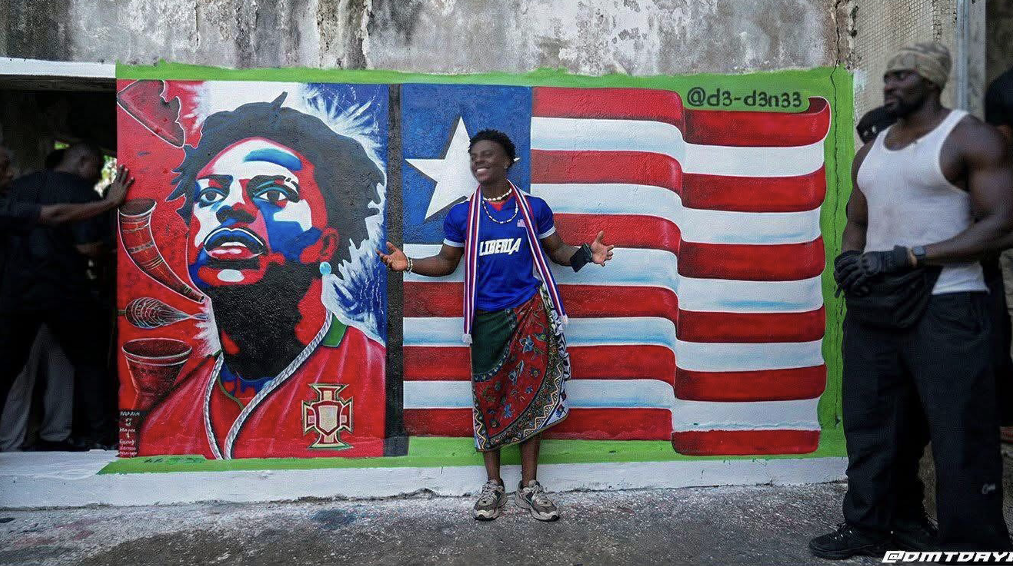
MONROVIA – Prominent cultural strategist Korto Reeves has called for a strategic overhaul of how Liberia hosts high-profile international visitors, following the visit of global internet star IshowSpeed in Liberia on January 24, 2026. In a candid public analysis, Reeves argued the visit exposed critical gaps in the nation’s tourism and cultural presentation, framing it as a missed opportunity to project Liberia’s full potential to millions online.
Reeves, a respected voice in national development circles, stated the critique was not personal but a necessary reflection on national ambition. “If our reaction to feedback defaults to groupthink, we are failing the very country we claim to serve,” she wrote, emphasizing that in a shifting global landscape, Liberia must master telling its own story with autonomy.
The analysis highlighted several key areas where the experience fell short. Reeves pointed to the enduring visual scars in Monrovia and the underdevelopment of core heritage sites—including Broad Street, Ashmun Street, and Providence Island—as a foundational problem. “We need a prepared narrative,” she asserted, urging tourism officials to craft compelling scripts about the 1820s settlers and historical architecture to offer tailored visitor experiences.
While acknowledging the positive cultural performances at Providence Island, Reeves argued the presentation failed to translate for Speed’s vast online audience. “We needed those viewers not just to see, but to *understand* the narrative and feel an irresistible pull to visit Liberia themselves,” she noted.
The commentary drew a striking parallel to South African reggae legend Lucky Dube’s 1999 visit, when he famously asked while driving on Broad Street, “When will we get to the city?” Reeves observed that IShowSpeed’s similar, off-hand remark—“I think we are still in the old city”—signals a persistent issue in how the capital is perceived.
Specific recommendations were offered for rapid improvement. These included creating detailed pre-arrival briefing kits for VIP visitors and designing “issue-based” historical tours instead of generic city drives. A significant portion of the critique focused on a now-viral moment: serving the influencer jollof rice in a styrofoam container. Reeves contrasted this with a vision of a curated beachside feast featuring traditional baskets, palm wine, and a spread of Liberian dishes, stating it was a profound missed sensory opportunity.
The analysis also outlined larger symbolic opportunities that were overlooked, such as facilitating virtual interactions with iconic national figures. Reeves suggested potential engagements with former President Ellen Johnson Sirleaf, Olympian Hassan Kiawu, or former President George Weah, and a direct welcome from President Joseph Boakai to cement an official invitation.
Furthermore, Reeves proposed transforming the visit into a coordinated social media “festival” by curating a public event with artists, athletes, and writers, creating Instagram-ready moments with Liberian-themed memorabilia.
Concluding her reflections, Reeves framed the episode as the start of a crucial conversation about national presentation. “The question remains,” she wrote, “when the world’s spotlight swings toward us, will we be ready to show our full speed?”