

-Amid Growing Frustration
By Sampat Kpakimah
MONROVIA – Several Liberians voiced concerns over corruption, a lack of jobs, and the growing dependence of young Liberians on public officials, urging government action including expanded scholarship opportunities and broader economic reforms to address the challenges facing the country.
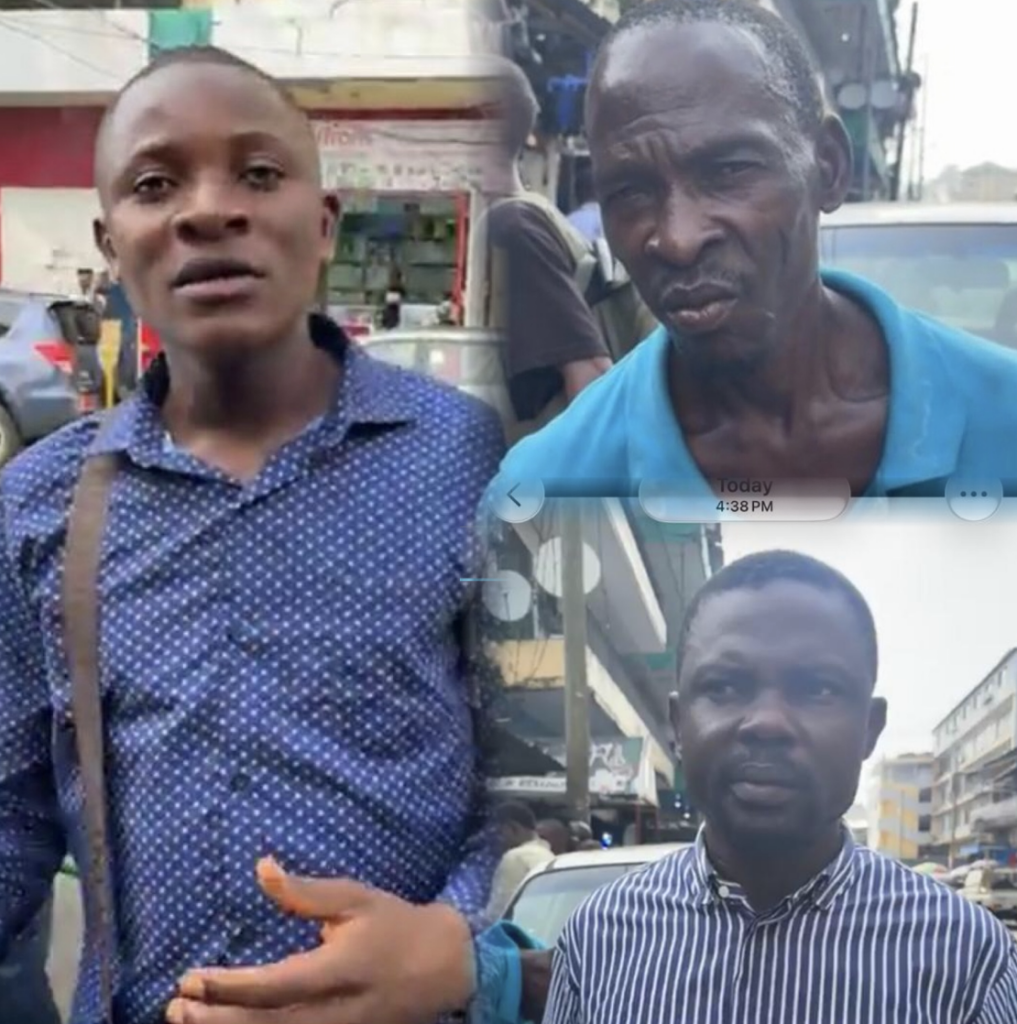
In an interview with this paper on Tuesday, Edwin Smith, a student of the United Methodist University (UMU), called on Liberia’s Minister of Foreign Affairs, Sara Beysolow Nyanti, to create more scholarship opportunities for young Liberians, stressing that such initiatives would reduce the growing dependence of students on public officials for financial assistance.
According to Smith, the lack of job opportunities in the country continues to push young people to seek support from government officials, a situation he believes contributes to systemic challenges.
“There are no jobs in the country, and that is why you often see young people or students reaching out to ministers or government officials for support,” he said. “If scholarship opportunities are created for young people to apply, they will not have to beg.”
Smith’s comments come amid ongoing public debate about corruption and governance in Liberia, including recent remarks by the Foreign Minister during a baccalaureate service at the United Methodist University, where she suggested that young people contribute to corruption by frequently seeking personal assistance from public officials. The Minister made the statement when she spoke under the theme, “Who Will Fix the System?”
The student further criticized what he described as a troubling mindset among some national leaders, alleging that public office is often used for personal enrichment rather than national development.
“The mindset of most leaders is not to develop the country or improve the lives of ordinary Liberians, but to take from them once they come to power,” Smith added, noting that many officials live luxurious lifestyles while ordinary citizens struggle.
He also described the National Disaster Management Agency as ineffective, questioning its current relevance and impact. However, he praised the Ministry of Finance and Development Planning for its recent internship program, as well as the Ministry of Posts and Telecommunications for its efforts.
Meanwhile, political activist Rafa Konneh described corruption as a major obstacle to Liberia’s development, linking it to the increasing number of disadvantaged youths, commonly referred to as “zogos,” on the streets. While he acknowledged some improvements under the current administration particularly the dismissal of officials accused of corruption he maintained that the system remains unfavorable for young people.
Konneh also commended the Ministry of Youth and Sports and the Liberia Maritime Authority for improved transparency but criticized the Liberia Marketing Association for what he termed poor performance, citing unclean market environments and deteriorating infrastructure.
From his end, businessman Abraham Weeks expressed dissatisfaction with the government, describing it as corrupt and ineffective in improving economic conditions. “Everything is still the same. Business is not improving compared to the past,” Weeks said.