

Monrovia, Liberia — For years, Liberian musicians have heard their songs played on the radio without receiving a cent in royalties. Local inventors have watched their ideas copied and sold by competitors with no legal recourse. Business owners have built brands, only to see them diluted by imitators operating with impunity.
This culture of creative vulnerability is what the Government of Liberia, through the Liberia Intellectual Property Office (LIPO), has gathered this week to dismantle.
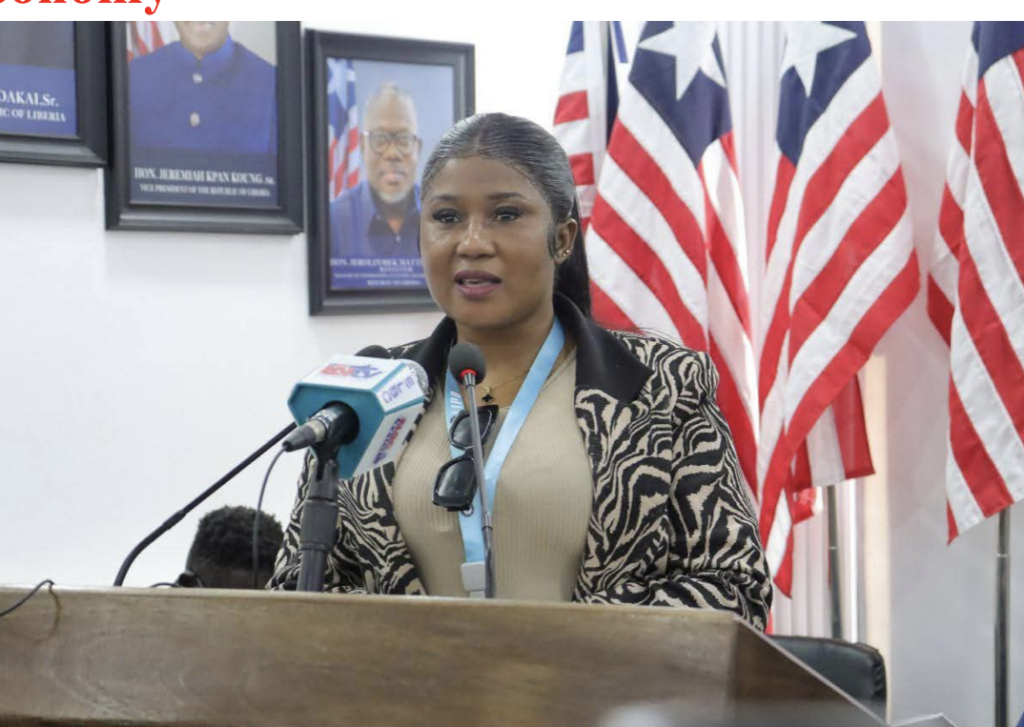
On Wednesday, LIPO opened a three-day intensive workshop aimed at ending what it describes as a troubling knowledge gap that has left the nation’s artists and entrepreneurs exposed to exploitation. The event, running from February 18 to 20, 2026, brings together over 150 stakeholders for practical training on IP registration, enforcement, and commercialization.
According to a LIPO release, the intervention is long overdue. While Liberia’s creative output and entrepreneurial energy are surging, the legal protections surrounding them remain dangerously informal. The result, officials say, is a class of creators generating significant intellectual property daily, yet holding little to no formal control over their work.
“Due to limited understanding of IP registration procedures, enforcement mechanisms and commercialization pathways, many of our stakeholders have become vulnerable to misuse and misappropriation,” said LIPO Director General Garmai Koboi. “They are missing opportunities for licensing, partnerships and market expansion—not because their work lacks value, but because they lack the tools to protect it.”
The workshop, titled “Understanding Intellectual Property Rights: Registration, Enforcement, and Commercialization,” targets three specific groups facing distinct risks:
Artists and Creatives, whose music, literature, and art rely on copyright protections currently being utilized without formal safeguards;
Foreign-owned businesses, which require brand protection and compliance with national IP regulations to operate securely in Liberia; and
Local micro, small and medium enterprises, whose growth and competitiveness depend on their ability to legally own and leverage their brands and innovations.
Koboi emphasized that the training is designed to be practical, moving beyond abstract legal theory to equip stakeholders with a working knowledge of Liberia’s IP administration system.
The initiative aligns with the government’s ARREST Agenda for Inclusive Development, specifically Pillar One on Economic Transformation, which seeks to create an enabling business environment and build a robust national intellectual property ecosystem.