

-in Africa
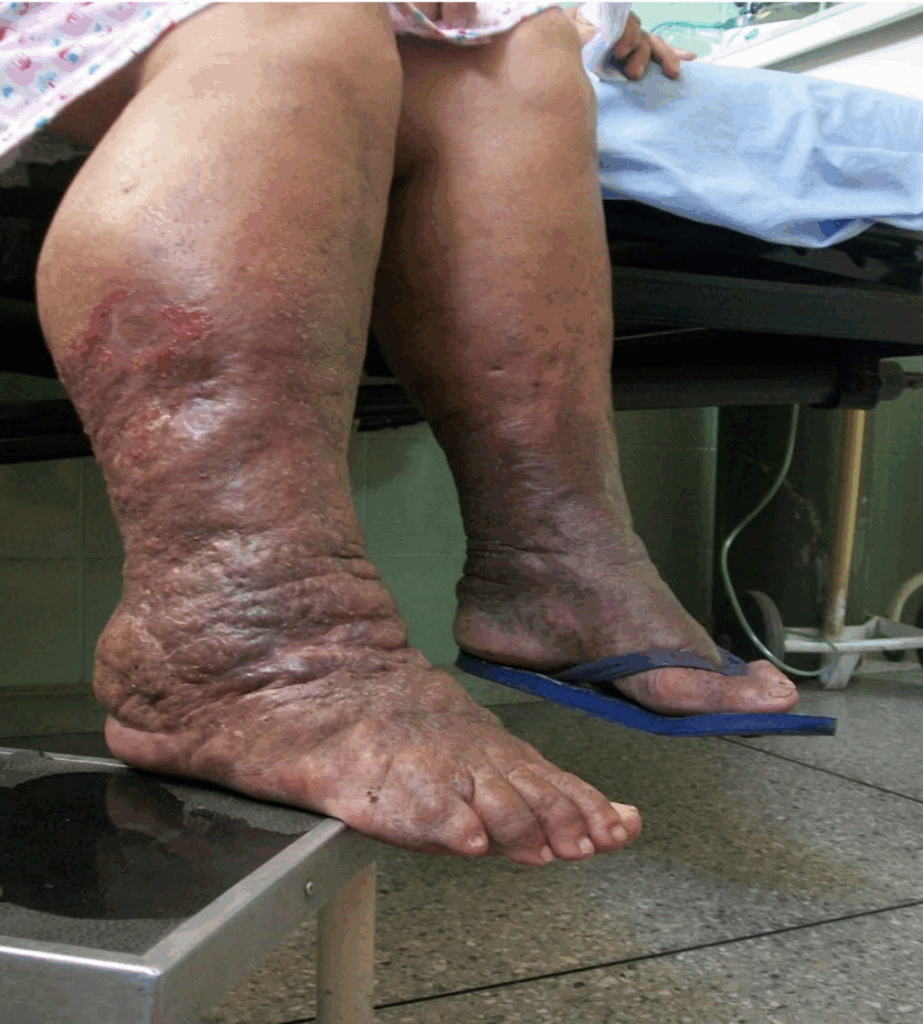
An image of lymphatic filariasis/elephantiasis
By Rita Jlogbe
The African Media Network for the Promotion of Health and Environment (REMAPSEN) has officially launched the fourth edition of its annual Media Forum, emphasizing the urgent need for collaborative efforts in combating Neglected Tropical Diseases (NTDs) across the continent.
The virtual launch event, held on November 25, 2025, attracted over 100 journalists, health advocates, and partners dedicated to addressing this pressing issue.
The forum’s theme, “From Neglect to Spotlight: Advancing Africa’s Agenda for NTDs Elimination,” sets a clear directive for journalists to not only report on these diseases but to actively contribute to a transformative narrative that encourages governmental action and community resilience.
NTDs, which primarily affect impoverished tropical regions, encompass a wide range of diseases that wreak havoc on affected populations. Key NTDs include river blindness (onchocerciasis), leprosy, dengue, schistosomiasis, lymphatic filariasis, and Buruli ulcer. According to medical findings, river blindness is caused by the bite of an infected black fly, leading to severe itching, skin lesions, and potentially blindness if left untreated.. Leprosy, a chronic infectious disease primarily affecting the skin, nerves, and mucous membranes, can cause severe disfigurement and disabilities.
Dengue fever, transmitted by Aedes mosquitoes, is characterized by high fever, severe headaches, pain behind the eyes, and joint and muscle pain. Schistosomiasis, resulting from parasitic worms, can cause abdominal pain, diarrhea, and even liver damage.
Lymphatic filariasis, often referred to as elephantiasis, is caused by parasitic worms transmitted through mosquito bites. It causes severe swelling, particularly in the legs, breasts, and genitals, leading to significant physical disability and social stigma. Buruli ulcer, on the other hand, is caused by Mycobacterium ulcerans and leads to severe skin ulcers. The disease is contracted through environmental exposure to the bacteria found in stagnant water, often leading to disabling infections if untreated.
In Liberia, the government has taken a unique and integrated approach to controlling and eliminating NTDs, aiming to address not only the health aspects but also the socio-economic factors that contribute to their prevalence.. This multifaceted strategy includes enhancing public health education, improving access to clean water and sanitation, and mobilizing community health workers such as CHAs, CHSS to conduct outreach programs. The integration of NTD management with existing health initiatives, such as maternal and child health programs, is a hallmark of Liberia’s approach, making it stand out in the region.
Progress from this strategy has been notable. The Liberian government, in collaboration with international partners, has made strides in rolling out mass drug administration (MDA) programs for diseases like lymphatic filariasis and schistosomiasis, significantly reducing the incidence rates in targeted communities.. Education campaigns have also empowered local populations to recognize symptoms and seek timely medical intervention, gradually normalizing the conversation around these once-stigmatized diseases.
Experts at the launch underscored that addressing NTDs requires more than medical solutions; it necessitates sustained and compelling storytelling. Yaye Sophiétou Diop, Director of Partnership and Development at Speak Up Africa, stated, “What journalists write about Neglected Tropical Diseases directly impacts political decisions and policies.”
Dr. Christian Johnson, a public health expert, echoed this sentiment, pressing the need for maintaining NTDs’ prominence on national and regional agendas. This aligns with findings presented by Dr. Maria Rebollo Polo from the WHO, who revealed that recent donor funding cuts have hindered medicine distribution in rural communities. However, she highlighted the resilience shown by African governments, which have started to invest more in local solutions.
Professor Awa Marie Coll-Seck, Chair of Galien Africa and former Minister in Senegal, articulated the connections between NTDs and broader societal issues of justice and gender equity. She pointed out that women disproportionately bear the burden of these diseases, often facing stigma that forces them to hide their symptoms and worsens overall community health.
As the REMAPSEN Media Forum approaches its scheduled dates of January 29–30, 2026, in Cotonou, Benin, the call to foster deeper partnerships between media and civil society organizations highlights, this collaboration is essential for amplifying the voices of marginalized communities affected by NTDs and ensuring that their stories reach wider audiences.
The forum according to leaders of Remapsen aims to equip journalists with the tools and resources necessary to reshape public perceptions, hold governments accountable, and drive policy changes, ultimately accelerating Africa’s journey toward eliminating NTDs. The anticipated outcomes from the forum include a comprehensive roadmap for media engagement, promoting successful domestic initiatives while challenging the stigma surrounding these preventable diseases.
To achieve these objectives, REMAPSEN urges all stakeholders to unite in the fight against NTDs, recognizing that a concerted effort in storytelling and advocacy can pave the way for significant progress and health equity across the continent.