

-Unveils National Strategy to Boost Girls’ Schooling
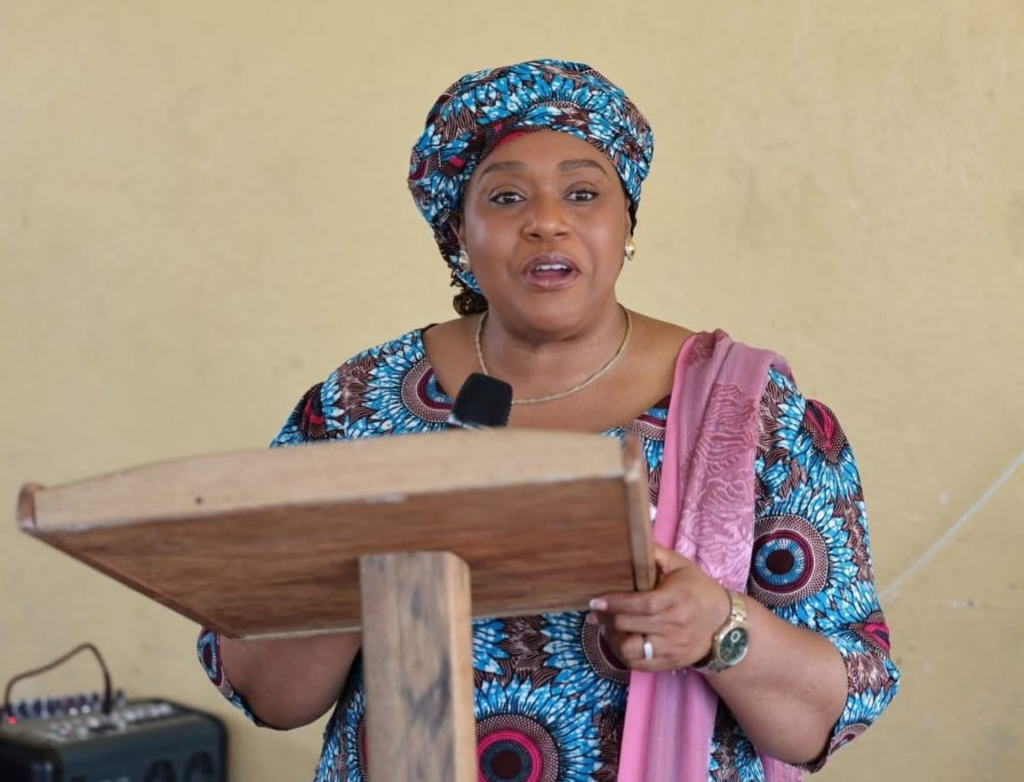
The Educate HER Coalition, in collaboration with the Ministry of Education, held a two-day National Stakeholders’ Dialogue to enhance the implementation and monitoring of the national policy on Girls’ Education. This dialogue brought together development partners, legislators, educators, government officials, and representatives from civil society organizations to evaluate progress, pinpoint challenges, and devise strategies for the future.
During the event, the Minister of Education, Dr. Jarso Jallah, launched a pioneering Girls’ Education Scorecard that highlights advancements made in indicators established in the National Policy on Girls’ Education (NPGE). The newly released Girls’ Education Scorecard, designated as the 1st Edition for 2025, provides a comprehensive overview of Liberia’s progress in implementing the NPGE for the period spanning 2021 to 2025.
It employs a set of 21 indicators to systematically evaluate critical areas including access, retention, learning outcomes, safety, equity, and overall system performance across all of Liberia’s counties and various types of schools. The national policy on Girls’ Education itself adopts a comprehensive approach designed to address the critical issues that significantly impede girls’ educational opportunities, such as early marriage, teenage pregnancy, gender-based violence, economic barriers, and harmful cultural practices.
In her formal address, Education Minister Dr. Jarso Jallah stressed the urgent need for collective action and collaborative efforts from all sectors to achieve the policy’s ambitious goals within Liberia’s educational framework. She asserted that the National Policy on Girls’ Education goes beyond mere paperwork and instead symbolizes a profound national commitment to Liberia’s daughters, sisters, and mothers, promising to provide them with the necessary tools to realize their full potential and contribute positively to the nation’s future.
Furthermore, Minister Jallah reiterated Liberia’s steadfast commitment to equity and called on every stakeholder to actively participate in the ongoing efforts, emphasizing that the Ministry of Education will harness the momentum generated by this dialogue to foster continuous collaboration and pave the way for a more promising future for all girls in Liberia.
The discussions during the dialogue focused intently on several key thematic areas. Participants explored actionable strategies to increase girls’ school enrollment, with a particular emphasis on reaching those in rural and underserved regions. Other central topics included addressing the root causes of school dropout among girls, such as teenage pregnancy, financial hardships, and insufficient parental support, alongside concrete plans for enhancing the overall quality of education available to girls.
A crucial focus was placed on the establishment of more effective monitoring and evaluation systems to reliably track the policy’s progress and ensure accountability, which will include implementing regular reporting mechanisms to keep civil society organizations and international partners fully informed and engaged throughout the implementation process.
Moreover, a significant and anticipated outcome of this national dialogue is the planned establishment of multiple dedicated working groups, which will be tasked with devising specific action plans and formal recommendations to tackle the challenges that were identified. These finalized recommendations will then be integrated directly into the Ministry of Education’s strategic plan for the coming years, where they will guide the ongoing implementation and assessment of the National Policy on Girls’ Education.
The Educate HER coalition is managed by the organizations Helping Our People Excel Liberia and the Paramount Young Women Initiative, and it receives support through the Education Out Loud Initiative, which is funded by the Global Partnership for Education.