By Jessica Cox
MONROVIA I The Internal Audit Agency (IAA) is set to introduce new regulations and compliance tools aimed at strengthening accountability, improving financial management, and standardizing internal auditing practices throughout Liberia’s public sector.
The agency will officially launch the Public Internal Audit Regulation and the Public Sector Internal Audit Checklist on Thursday at Monrovia City Hall, bringing together government officials, integrity institutions, and development partners.
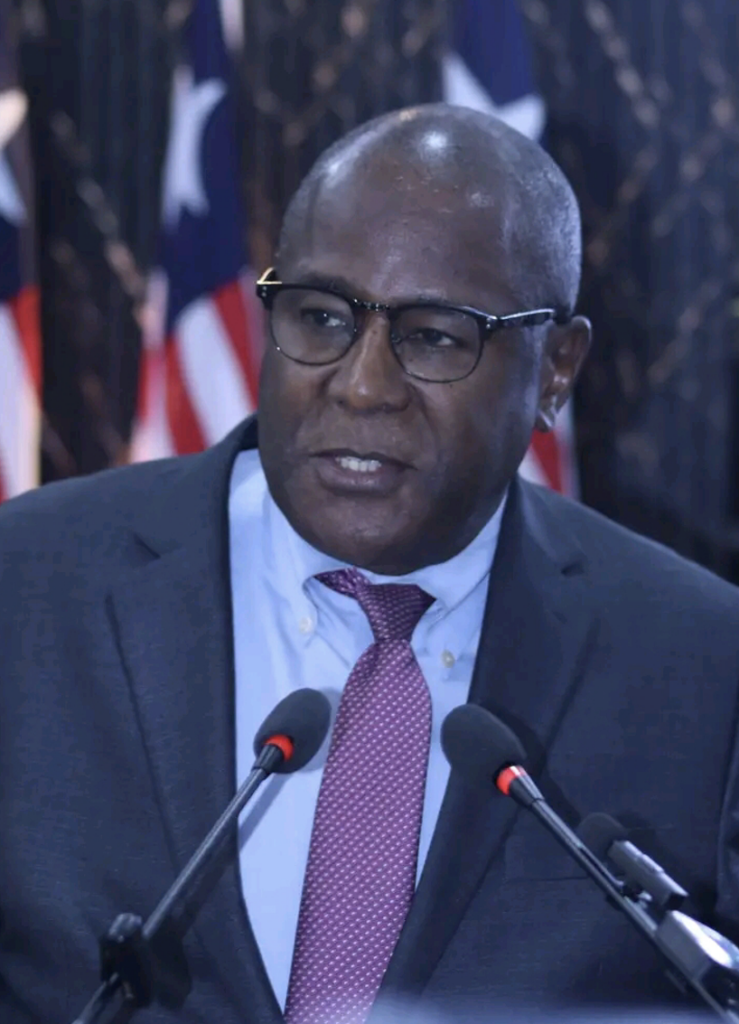
Speaking ahead of the launch at the ministry of information, IAA Director-General David A. Kemah said the initiative is intended to create a uniform framework for internal auditing across ministries, agencies, commissions, and other public institutions.
According to Kemah, the regulations will establish clear standards for how internal audits are conducted, while also outlining professional requirements and operational procedures intended to improve the effectiveness of government oversight.
“The goal is to strengthen compliance and ensure that public institutions operate withinjk established financial management and regulatory frameworks,” he said.
A key component of the reform package is the Public Sector Internal Audit Checklist, which will provide public officials with a practical guide to ensure transactions meet legal and procedural requirements before they are submitted for audit review.
Kemah noted that many audit findings arise not necessarily from fraud or misuse of public funds but from inadequate documentation and failures to follow required procedures. The checklist, he said, is designed to reduce those shortcomings by helping decision-makers identify compliance requirements at the outset of a transaction.
The Director-General acknowledged that disagreements sometimes emerge between public officials and auditors when projects are delayed due to missing documentation or procedural deficiencies. However, he stressed that audit controls are intended to protect public resourced and minimize financial risks rather than obstruct government operations.
To improve efficiency, the agency has adopted a risk-based oversight approach that considers the size of an institution’s budget, the volume of its activities, and its exposure to financial and operational risks.
Under the framework, institutions with higher risk profiles may receive dedicated internal auditors, while smaller entities may be monitored through periodic assessments conducted by mobile audit teams.
Kemah said the strategy allows the agency to maximize limited resources while ensuring that critical areas of government remain under effective oversight.
He further emphasized that strengthening internal controls and encouraging proactive compliance would help reduce recurring audit findings, support better decision-making, and enhance public confidence in government institutions.
The launch of the new regulations and checklist marks a significant step in the Internal Audit Agency’s ongoing efforts to promote transparency, accountability, and sound financial governance across Liberia’s public sector.