-Over Nimba Pollution
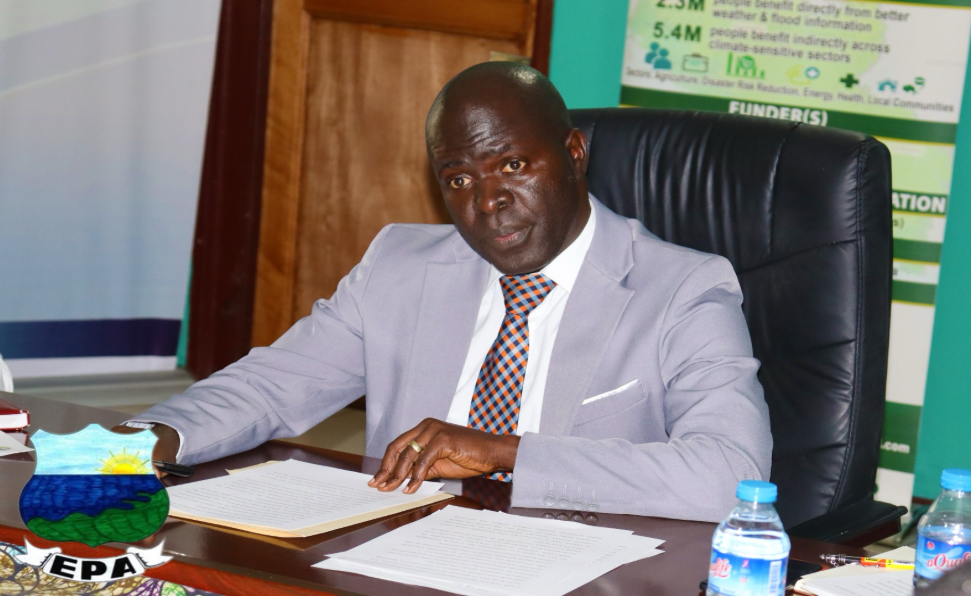
MONROVIA, Liberia — The Environmental Protection Agency (EPA) has imposed US$500,000 in combined fines and regulatory payments on ArcelorMittal Liberia (AML) following preliminary findings of environmental pollution associated with the company’s mining operations in Nimba County.
The enforcement action was announced on Monday, August 31, 2026, after the EPA investigated a complaint from residents of Bolo Town in Gba Clan, Yarmein Administrative District.
Community members had accused the mining company of polluting local water sources and damaging farms and livelihoods around Mount Gangra and Mount Yulleton.
The EPA said its preliminary investigation found visible evidence that largely supported the residents’ concerns.
According to the Agency, investigators observed iron-rich and sediment-laden discharges flowing from mining areas into nearby water resources through six discharge points. Mining-related sediment was also found in the Karn River and 11 creeks identified by residents.
Among the waterways cited were Yeewaa, Wenein, Neneyee, Ponpeles, Wehee, Sayemeyee and Yeehwaatoluzah.
EPA Reports Damage to Farms and Water Sources
The EPA said its team also observed damage to vegetation and farmland used by residents to grow rubber, cocoa, oranges, rice and other crops.
The Agency described the situation as serious, noting that the affected water sources and agricultural lands are important to the health, food security and economic well-being of surrounding communities.
Residents also raised concerns about blasting activities, alleging that some blasts occurred without sufficient advance notice and caused repeated disturbances at night.
The EPA further reported that an elderly resident allegedly experienced hearing impairment following a blasting incident. However, the Agency said additional technical assessment is needed to determine the nature and extent of the reported impact.
EPA Accuses AML of Compliance Failures
In addition to the pollution concerns, the EPA said its review uncovered alleged regulatory breaches by ArcelorMittal Liberia.
The Agency said the company failed to notify the EPA of reported pollution incidents as required under the conditions of its environmental permit.
AML was also accused of failing to submit its mandatory Environmental Monitoring Report for the second quarter of 2026 within the prescribed period.
The EPA said the outstanding compliance issues remained unresolved despite meetings, written communications and a final deadline issued to the company on August 25, 2026.
US$400,000 Administrative Fine
Under the enforcement measures, AML has been ordered to pay an administrative fine of US$400,000 into the Government of Liberia’s Consolidated Account through the Liberia Revenue Authority within 10 working days.
The company must also pay an additional US$100,000 directly to the EPA within the same period.
The Agency said the US$100,000 payment will finance further monitoring, sampling, technical research and assessment to establish the extent and progression of the reported pollution and help guide restoration efforts.
AML Ordered to Finance Environmental Assessment
The EPA has also ordered ArcelorMittal Liberia to fully finance a comprehensive environmental assessment to be led by the Agency.
The assessment will determine the geographical scope and severity of the reported pollution and examine its effects on water resources, farms, livelihoods, vegetation and the broader environment.
If the assessment confirms documented losses, the EPA said AML will be required, in accordance with Liberian law, to compensate affected individuals and communities for verified crop and livelihood damages.
The company has additionally been directed to provide safe alternative water for immediate community use and support appropriate interim livelihood measures while the assessment and restoration processes are underway.
Further Sanctions Could Follow
The EPA cautioned that paying the fines will not absolve ArcelorMittal Liberia of its continuing obligations under Liberia’s environmental laws and the conditions of its permits.
The Agency said further monitoring and assessment could lead to the issuance of an Environmental Restoration Order requiring additional corrective and remedial action.
The EPA maintained that its enforcement approach will remain “firm, fair, and consistent,” while stressing that companies that take corrective action responsibly will be recognized, but violations resulting in environmental harm will attract regulatory action.
AML’s Buchanan Facility Previously Flagged
The latest action comes months after an EPA nationwide environmental monitoring and compliance exercise conducted in May.
During that exercise, EPA technical teams identified environmental concerns at AML’s Buchanan facility in Grand Bassa County. The Agency cited improper waste disposal and poorly structured sedimentation ponds among the issues observed.
The EPA said AML subsequently took corrective measures and is complying with directives issued regarding the Buchanan operation.
According to the Agency, the Buchanan case demonstrates the importance of ensuring that environmental monitoring leads not only to the identification of violations but also to sustained corrective action.
EPA Warns Industrial Operators
The EPA acknowledged the role of concession companies in Liberia’s economy, including their contributions to employment, infrastructure, public revenue and national development.
However, the Agency emphasized that economic activities must be carried out in full compliance with Liberia’s environmental laws and permit requirements.
“No investment can be considered sustainable when communities bear avoidable environmental costs or when permit conditions are disregarded,” the EPA said.
The Agency used the AML case to issue a broader warning to concessionaires and industrial operators across Liberia to protect the environment, comply with their permits, respect national laws and safeguard the communities in which they operate.
The EPA said it remains open to working with businesses but will not compromise the health, safety and livelihoods of Liberians.