

By Jessica Cox
MONROVIA, Liberia — The Liberia National Water, Sanitation and Hygiene (WASH) Commission says it has made progress in strengthening water and sanitation services, enforcing regulatory standards and mobilizing investment for the sector in 2026.
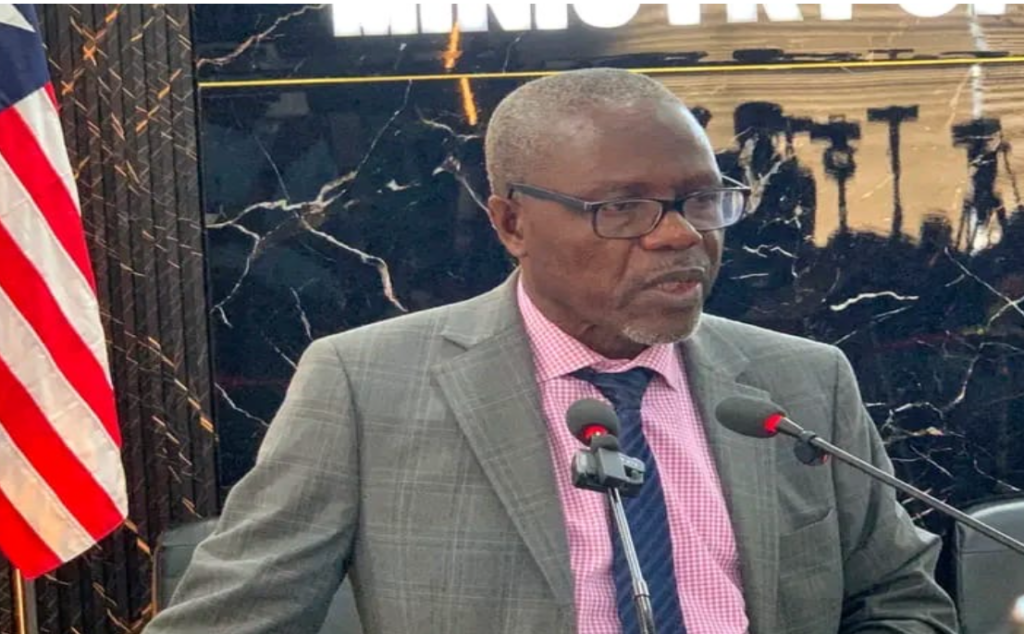
The Commission’s Chief Executive Officer, Hon. George W. K. Yarngo, disclosed the achievements while providing an update on the institution’s activities, highlighting regulatory inspections, water infrastructure development, sanitation planning and community resilience.
Yarngo said the Commission, in collaboration with relevant institutions, conducted compliance inspections of 749 establishments, including water producers, businesses and food-storage facilities.
He said the exercise identified gaps in water quality, environmental and public-health compliance, resulting in the issuance of 31 stop orders and 21 warning notices to establishments found operating under unsafe or non-compliant conditions.
On water sector development, Yarngo highlighted the Presidential Water Compact, a national framework being developed to improve coordination, financing and accountability in water service delivery.
He said the Compact is being transformed into an investment-ready plan to attract funding for priority water projects across the country.
The Commission also reported progress in restoring water projects affected by the withdrawal of U.S. government funding from some international development programmes.
According to Yarngo, coordination efforts helped bring affected projects back online and support their completion.
Meanwhile, the Commission has submitted three major water projects to the African Development Bank for potential financing and supported UNICEF’s efforts to secure Japanese government funding for a resilient water project involving Liberia and neighboring Guinea.
In sanitation, the Commission reported the validation of Liberia’s Open Defecation-Free Roadmap, which is expected to guide national efforts to eliminate open defecation and improve sanitation practices.
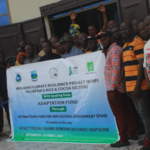
The Commission is also implementing a community-based flood early-warning and water-resilience initiative targeting 10 flood-prone communities, with approximately 100 community responders expected to receive training.
The initiative is intended to strengthen community preparedness and improve responses to flooding and its effects on water and sanitation services.
Additionally, the Commission announced plans to dedicate new water systems and kiosks in Bepou, Yawuli, Sierra Johnson and Doro Town in Montserrado and Margibi Counties.
The planned facilities are expected to expand access to reliable water services in the beneficiary communities.
Yarngo emphasized that sustained collaboration among government institutions, lawmakers, civil society organizations, development partners and communities remains essential to improving water governance and achieving Sustainable Development Goal Six, which focuses on clean water and sanitation.
He said the Commission remains committed to advancing initiatives that improve water access, strengthen sanitation services and promote sustainable development across Liberia.