

MONROVIA, Liberia – The Center for Transparency and Accountability in Liberia (CENTAL) is urging the government to tighten the legal and institutional framework governing the mining sector, warning that weak enforcement, bribery, underreporting, and secrecy over who owns mining companies continue to undermine an industry that is central to the nation’s economy.
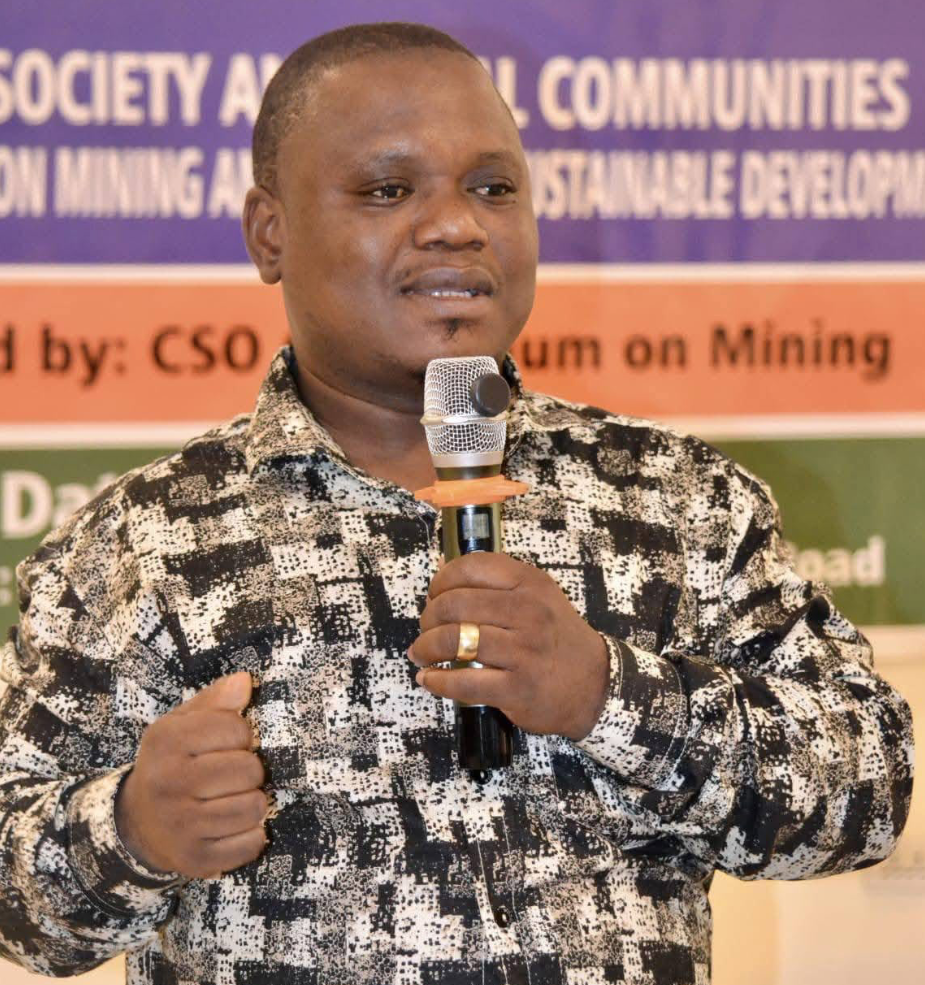
CENTAL Executive Director Anderson Miamen made the appeal on Thursday, October 1, 2026, in a presentation on mining and corruption at a Civil Society and Communities Roundtable on Mining Sector Reform in Monrovia.
The roundtable was organized with the Sustainable Development Institute, Integrity Watch Liberia, Integrated Development and Learning, Civil Society Independent Forest Monitors, Medica Liberia, Sustain Earth and Equity Defenders. Participants discussed the challenges facing the sector and drafted recommendations for more inclusive and sustainable development.
Enforcement the core problem
Mr. Miamen said weak enforcement of mining laws remains one of the sector’s biggest problems. Liberia has legal and regulatory frameworks for mining, he noted, but their impact depends on whether public institutions have the capacity and will to make companies comply.
He also named corruption, including bribery, as a major concern, and pointed to underreporting and poor transparency around beneficial ownership as gaps needing stronger safeguards.
Beneficial ownership matters, he suggested, because concessions and contracts in the extractive industry involve huge financial interests. Knowing who ultimately owns or controls the companies involved allows regulators and the public to understand whose interests are being served.
Proposed reforms
Mr. Miamen called for amendments to the mining laws to reflect present-day realities, as the country works to expand mining while improving governance and the investment climate. His other recommendations include:
• Anti-corruption mechanisms that build stronger checks and balances into decision-making, financial transactions, and regulatory processes.
• A dedicated anti-corruption court to speed up the handling of corruption cases, reflecting public concern over how slowly such cases move through the justice system.
• An inclusive community monitoring body giving affected communities a structured way to follow mining activities and raise concerns about their land, livelihoods and environment.
Context
Iron ore and other minerals provide investment, government revenue, jobs and infrastructure, and the government has been promoting value addition and local participation in the sector. But Mr. Miamen’s call underscores that more mining activity demands stronger oversight of revenues, environmental impact and community relations.
The recommendations come as Liberia pursues greater transparency in the extractive sector. The Liberia Extractive Industries Transparency Initiative’s 2026 work plan includes contract transparency, beneficial ownership, anti-corruption efforts and public disclosure of extractive revenues.
In August 2026, the Ministry of Mines and Energy also convened stakeholders to discuss implementing the US$5 million annual Community Development Fund under ArcelorMittal Liberia’s Third Mineral Development Agreement.
Civil society groups, however, maintain that such initiatives will only deliver if communities can monitor them and take part meaningfully. The Sustainable Development Institute has previously documented complaints from mining communities about access to information, benefits, employment, infrastructure and environmental damage.
The way forward
For CENTAL, the challenge is moving from simply extracting minerals to governing them accountably: laws must be enforced, ownership made public, revenues traceable, corruption allegations credibly investigated and prosecuted, and communities given real channels to seek redress.
As Liberia courts more mining investment, the organization says, government and other stakeholders share responsibility for ensuring that opportunity comes with accountability. The strength of the institutions managing the country’s mineral wealth, it argues, will decide how much of that wealth becomes lasting national development.