By Jessica Cox
MONROVIA, Liberia — The Ministry of Gender, Children and Social Protection has completed the reunification of 100 children removed from orphanage homes across Montserrado County. The achievement marks a milestone in the government’s efforts to strengthen family-based care and protect children living in unsuitable institutional settings.
The initiative operates under the pilot phase of the Liberia Care Support Scheme (LCSS) with support from the United Nations Children’s Fund (UNICEF). It combines family tracing, caregiver assessments, parental training, conditional financial assistance, and post-reunification monitoring.
According to a Ministry release issued on October 19, the programme seeks to ensure that children removed from orphanages that fail to provide appropriate care are placed in safe and supportive family environments where reunification is determined to be in their best interests.
The Ministry said social workers and supervisors conducted family tracing, reviewed individual cases, and assessed prospective placements to identify parents, relatives, and other caregivers capable of providing appropriate care. Following these assessments, all 100 children targeted under the pilot were reunified with their families or caregivers across Montserrado County.
Ministry Trains Caregivers Before Reunification
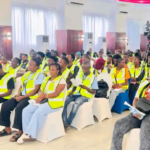
Before the children returned home, the Ministry conducted two phases of parental coaching and skills training to prepare caregivers for their responsibilities. The first phase trained 26 parents and caregivers and was followed by the reunification of 49 children. A second phase engaged an additional 27 caregivers, bringing the total number of participants trained to 53.
Following the second phase, the remaining 51 children were reunified, completing the programme’s target of 100 children. The training focused on strengthening caregivers’ abilities to provide appropriate care and support children’s safety, development, and overall well-being.
The Ministry said the preparation was intended to help families manage the transition from institutional care to family life and improve their capacity to meet the children’s needs.
As part of the intervention, the Ministry, with UNICEF’s support, introduced conditional cash transfer assistance for eligible families and caregivers after reunification was confirmed. Under the pilot arrangement, each of the 100 children was eligible for a one-time support package of US$200 to help families address immediate needs associated with receiving and caring for their children.
The Ministry said the financial assistance was intended to complement the reunification process by helping vulnerable households manage some of the costs involved in the transition. However, the Ministry’s release did not specify whether all 100 families had received the payments by the time the programme was announced as completed. It also did not provide details on the duration of the assistance, the conditions attached to the transfers, or whether further financial support would be available to families facing continuing hardship.
Social workers are also conducting follow-up visits and monitoring to assess the children’s adjustment, examine their living conditions, and identify additional protection or support needs. The effectiveness of these follow-up measures will be important in determining whether the reunification arrangements remain safe and sustainable beyond the initial intervention.
Gender Minister Gbeme Horace-Kollie congratulated the social workers, supervisors, and other personnel involved in the programme. She praised their dedication and professionalism in completing the reunification process.
She acknowledged that the completion of the pilot represents an important milestone but cautioned that substantial work remains to protect vulnerable children throughout Liberia. The minister reaffirmed the Ministry’s commitment to strengthening child protection systems, supporting vulnerable households, and promoting family-based care as a preferred alternative to institutional placement whenever it serves the best interests of the child.
She also stressed the importance of continued monitoring to ensure that reunified children remain in safe, stable, and nurturing environments. Horace-Kollie expressed appreciation to UNICEF for its financial and technical assistance, describing partnerships with development organizations as important to advancing the government’s child protection priorities. She called on other international development partners, donors, and humanitarian organizations to support family-strengthening programmes, social protection interventions, and sustainable child welfare initiatives.
The reunification programme comes against the backdrop of Liberia’s existing legal and policy commitments to protect children and prioritize appropriate family care. The Children’s Law of Liberia, enacted in 2011, establishes provisions governing alternative care and emphasizes the best interests of the child. It recognizes the priority of care by biological parents and relatives, provides for the assessment and review of alternative care arrangements, and treats institutionalization as a last resort.
The law also establishes requirements for the registration and operation of child care institutions, including standards relating to children’s living conditions, staffing, quality of care, and protection from harm.
A UNICEF-supported situation analysis published in 2025 identified continuing concerns over the oversight of privately operated orphanages in Liberia. The report highlighted gaps in regulatory compliance and the need for stronger supervision and reliable information on children living in residential care. It also described government efforts to advance deinstitutionalization and strengthen family-based alternatives while noting the importance of effective oversight and appropriate placement decisions.
The findings underscore the importance of ensuring that children are not placed in residential institutions unnecessarily and that any transition back to family life is guided by careful assessments and effective protection measures.
UNICEF’s global guidance on alternative care emphasizes that children should remain with their families whenever it is safe and appropriate. Where separation is necessary, authorities should seek suitable alternative arrangements that protect children’s rights, development, and long-term well-being.
The agency also warns that many children living in residential institutions are not orphans and may have living parents or relatives. Poverty, family separation, and circumstances beyond a household’s control can contribute to children entering institutional care.
For Liberia, the policy challenge therefore extends beyond removing children from unsuitable institutions. It also involves addressing the circumstances that may prevent families from providing adequate care, including financial hardship and limited access to essential services.
The success of family reunification programmes depends not only on returning children to parents or relatives but also on ensuring that the receiving households can provide safe and stable environments. Regular home visits, access to social services, caregiver support, and timely responses to reports of neglect or abuse are important elements of that process.
The Ministry’s decision to combine caregiver training, financial assistance, and follow-up monitoring under the LCSS pilot represents an effort to address several of these needs. However, the long-term impact will depend on the consistency of monitoring, the availability of resources, and the capacity of social workers to respond when families require additional assistance.
Although the reunification of 100 children represents a measurable outcome for the pilot phase, the Ministry has not outlined in its announcement whether the scheme will be extended to other counties, how many additional children may be targeted, or what funding will be required for a wider rollout.
Further information on the results of post-reunification assessments would also help establish whether the children remain in appropriate living conditions and whether families are receiving the support necessary to sustain their care.
The government will also need to ensure that efforts to reduce reliance on institutional care are accompanied by effective regulation of orphanages, reliable identification of children requiring protection, and accessible support for vulnerable families.
As the pilot moves beyond the initial reunification stage, the experiences of the 100 children and their caregivers could help inform decisions about the programme’s future implementation. For now, the completion of the pilot places renewed attention on Liberia’s commitment to family-based care and the responsibility of government institutions, development partners, and communities to ensure that every child grows up in a safe and supportive environment.