By Jessica Cox
MONROVIA, Liberia — The Government of Liberia has launched Phase One of the Presidential Clean Cities Initiative (PCCI), a nationwide sanitation programme expected to engage 1,250 young people and 30 community-based organizations across eight counties.
Minister of State Without Portfolio and Acting Minister of State for Presidential Affairs Hadja Mamaka Bility officially launched the initiative Tuesday, October 20, 2026, at Monrovia City Hall on behalf of President Joseph Nyuma Boakai Sr.
The programme aims to improve urban sanitation, provide short-term employment opportunities for young Liberians, and strengthen community participation in waste management and environmental protection. Phase One covers 14 cities and one township across eight counties. Recruited youths will support daily sanitation activities while participating community-based organizations promote public awareness, community mobilization, and responsible waste disposal.
In a message delivered during the launch ceremony, President Boakai called for a change in public attitudes toward sanitation. He emphasized that keeping Liberia clean must become a shared responsibility between government and citizens.
He said the government’s responsibility is to provide leadership and support, but lasting improvements cannot be achieved without the commitment and cooperation of residents. The President stressed that the success of the initiative should not be measured solely by the volume of garbage collected or the number of streets cleaned, but by whether it changes public behavior and establishes a lasting culture of cleanliness.
He urged community leaders, local authorities, women, young people, business owners, and schools to take an active role in protecting public spaces and promoting responsible waste disposal. Boakai emphasized that citizens must stop treating sanitation as somebody else’s responsibility and recognize the importance of maintaining clean surroundings for their own health and well-being.
“When we clean Liberia, then we are not doing the government a favor. We are protecting ourselves, our children, our communities, and our future,” the President said in his message.
Speaking on behalf of the President, Bility described the PCCI as a coordinated government intervention that goes beyond periodic cleanup exercises to address sanitation, youth employment, community mobilization, public education, and accountability.
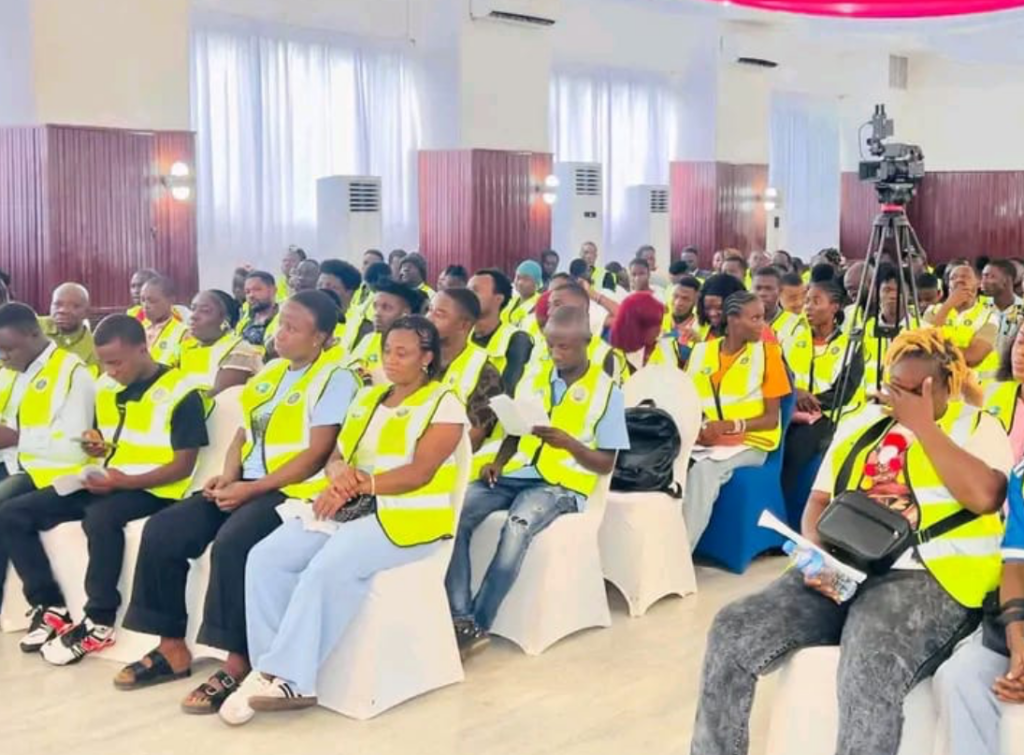
She said the initiative was designed to support the efforts of municipal and county authorities while encouraging communities to take ownership of their public spaces. According to Bility, the orientation programme being conducted in Monrovia, Paynesville, and other participating locations marks the transition from planning and recruitment to organized field operations.
She said the orientation would prepare participants to carry out their assignments safely, professionally, and effectively. The minister urged the recruited youths to demonstrate punctuality, discipline, integrity, and professionalism, noting that their conduct would influence public confidence in the initiative.
She also encouraged them to take pride in sanitation work, describing it as an opportunity to earn income, gain practical experience, develop teamwork and leadership skills, and contribute to national development. Bility cautioned participants against absenteeism and unprofessional conduct. She urged them to respect residents and businesses, properly use their tools and protective equipment, and observe safety procedures.
She further called on participating community-based organizations to work closely with municipal authorities to promote positive sanitation practices and sustain improvements beyond the project’s initial period. The minister said the Project Implementation Secretariat and its partners must maintain effective supervision, transparent reporting, and accountability throughout implementation.
The Acting Minister of Information, in separate remarks, described the initiative as a broader approach to sanitation than previous cleanup campaigns. He recalled that former President Ellen Johnson Sirleaf introduced a monthly Monrovia Clean Up Day, which helped mobilize residents but largely relied on volunteerism and periodic activities.
He identified the PCCI’s wider geographical coverage, paid short-term employment opportunities, and partnerships with community-based organizations as key differences from earlier efforts. The initiative extends beyond Monrovia to locations including Ganta, Sanniquellie, Tappita, Gbarnga, Totota, Voinjama, Foya, Buchanan, Kakata, Unification City, Schieffelin Township, Tubmanburg, and Zwedru.
The Information Ministry pledged to use its public communication platforms, including government town hall programmes, to educate citizens about the importance of sanitation and community participation. The Acting Minister also said the programme could create opportunities for young people to develop longer-term livelihoods in waste collection, recycling, composting, sanitation supervision, and environmental management. However, he acknowledged that sustainability would be essential if the initiative is to deliver lasting benefits beyond the initial employment.
EPA Links Sanitation to Environment
Executive Director of the Environmental Protection Agency (EPA) Dr. Emmanuel K. U. Darpaworro said the initiative connects three important national priorities: youth employment, healthier communities, and environmental protection.
He explained that indiscriminate waste disposal, blocked drainage systems, and the destruction of wetlands increase communities’ vulnerability to flooding and the effects of climate change. According to Darpaworro, garbage dumped into drains and waterways can obstruct rainwater flow, causing flooding that damages homes and businesses, disrupts transportation, and threatens lives.
He said keeping drains open, protecting wetlands, and properly managing waste could help communities reduce these risks. However, he cautioned that cleanup activities alone would not prevent every flood, stressing the need for adequate drainage infrastructure, sound urban planning, and the protection of natural waterways.
The EPA executive director also linked proper waste management to public health. He warned that floodwater contaminated with sewage and other waste can pollute drinking water, while discarded containers and stagnant water can create breeding grounds for mosquitoes.
He called on local authorities to establish regular cleaning schedules, provide reliable waste collection and transportation services, and ensure that garbage removed from streets and markets reaches appropriate disposal facilities. Darpaworro warned that moving garbage from one location to another, particularly into wetlands, would not solve the country’s sanitation problems.
He also emphasized the need to protect sanitation workers by providing appropriate tools, gloves, boots, supervision, and clear instructions for handling potentially dangerous materials. The EPA pledged to support implementation through technical guidance, environmental awareness, and collaboration with relevant government institutions and local authorities.
The initiative places considerable emphasis on community participation, with 30 community-based organizations expected to help mobilize residents and promote responsible sanitation practices.
Bility urged market associations, business owners, community leaders, and residents to cooperate with sanitation teams, use designated waste collection arrangements where available, and discourage indiscriminate dumping. She said the government could mobilize workers, provide equipment, and organize sanitation services, but lasting progress would require citizens to take responsibility for their surroundings.
The initiative is being implemented through the Ministry of State for Presidential Affairs in collaboration with the Ministry of Local Government, Ministry of Information, Ministry of Youth and Sports, the EPA, the city governments of Monrovia and Paynesville, and other participating institutions. The government expects the participating organizations to work with local authorities to strengthen community ownership and maintain improvements after the project’s initial implementation period.
Despite the employment opportunities and sanitation improvements expected under the initiative, its long-term success will depend on effective implementation, adequate funding, reliable waste collection services, and continued community participation.
Bility said the Project Implementation Secretariat and its partners must ensure that activities are guided by measurable results, fair procedures, accurate reporting, and responsible management of public resources. She added that lessons from Phase One should inform improvements and help establish an approach that can be replicated in other communities across Liberia.
The EPA’s call for regular cleaning schedules, adequate municipal budgets, proper waste transportation, and improved drainage infrastructure also underscores the need for sustained public investment beyond the initial cleanup activities.
While the launch statement outlines plans to engage 1,250 youths and 30 community-based organizations, it does not specify the duration of the jobs, the wages participants will receive, or the total funding allocated to the first phase. These details will be important in assessing the programme’s reach and the government’s capacity to sustain the initiative.
For now, the PCCI represents an effort to combine youth employment with sanitation services and community mobilization. Its ultimate success will depend on whether the initial activities develop into a sustainable waste management system supported by government institutions, businesses, and residents. The government’s challenge will be to ensure that the communities cleaned under the initiative remain clean long after the initial phase ends.