–Cites Systemic Corruption and Judicial Failures
By Jerromie S. Walters
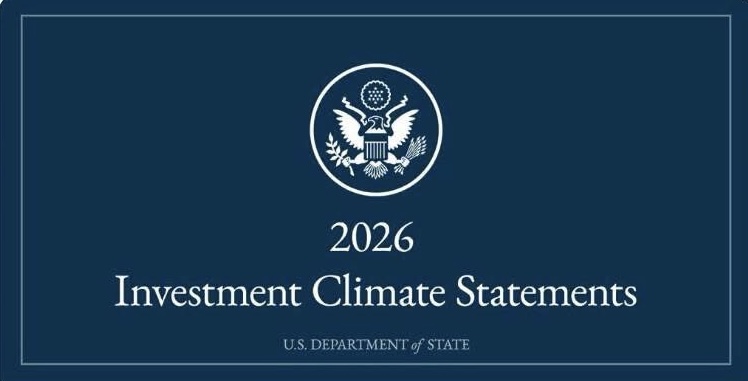
MONROVIA, Liberia — The U.S. Department of State 2026 Investment Climate Statement paints a dire picture of Liberia’s business environment, identifying widespread corruption, a dysfunctional judiciary, and a lack of regulatory transparency as major deterrents to foreign direct investment (FDI).
The report, which assesses the landscape for U.S. and multinational firms, suggests that despite the country’s potential, systemic issues are serving as a “primary brake” on democratic consolidation and economic growth.
Corruption Identified as Primary Hurdle
The State Department did not mince words regarding the prevalence of graft in the West African nation. The report notes that foreign investors—including U.S. firms—consistently identify corruption as the top deterrent to doing business.
According to the findings, the problem is not just passive but actively disruptive to commerce. “Many businesses find it easy to operate illegally if the right political interests are paid,” the report states, adding that those who follow the rules often face targeting by officials seeking bribes.
The report highlights a culture of political cronyism where officials prioritize “short-term personal gain” over investment climate considerations. Multinational firms frequently report being charged fees not stipulated in their investment agreements, with accounts of extortion at multiple levels of government described as “common.”
Judicial Gridlock and Executive Interference
Investors seeking legal recourse face a daunting battle. The report describes a judicial system with a severely backlogged docket where cases can take two to five years to resolve. Worse still, judicial independence remains a significant concern.
The State Department highlights “widespread reports that court officials solicit bribes to act on cases” and notes that the executive branch frequently interferes in both judicial and legislative matters. Consequently, enforcing judgments—particularly against government entities—is described as difficult, with foreign arbitration awards taking years to enforce.
The report criticizes the Liberian government for failing to foster market-based competition through transparent policies. Notably, government agencies are not legally required to disclose regulations before or after enactment, and there is no requirement for public comment.
Furthermore, Liberia lacks a “one-stop shop” website for investors to find general investment laws, rules, procedures, or reporting requirements, creating an opaque environment that invites exploitation.
Access to capital remains a significant barrier. Liberia has no domestic stock exchange, and its capital markets are highly underdeveloped. The report cites high interest rates for commercial loans (ranging from 18 to 25 percent) and stringent collateral requirements, often demanding 150 to 200 percent of the loan value.
Additionally, a high ratio of non-performing loans (16 percent) and limited U.S. dollar liquidity are constraining lending capacity. International banks are reportedly “de-risking,” which affects remittance flows crucial to the local economy.
The report also flags inefficiencies in State-Owned Enterprises, citing weak financial performance and a lack of accountability. It notes that high-level officials, including those sitting on SOE boards, influence these entities to conduct business in ways inconsistent with standard corporate governance. Transparency is further complicated by the fact that not all SOEs pay taxes transparently, and their revenue and debt are not adequately reflected in national budgets.