


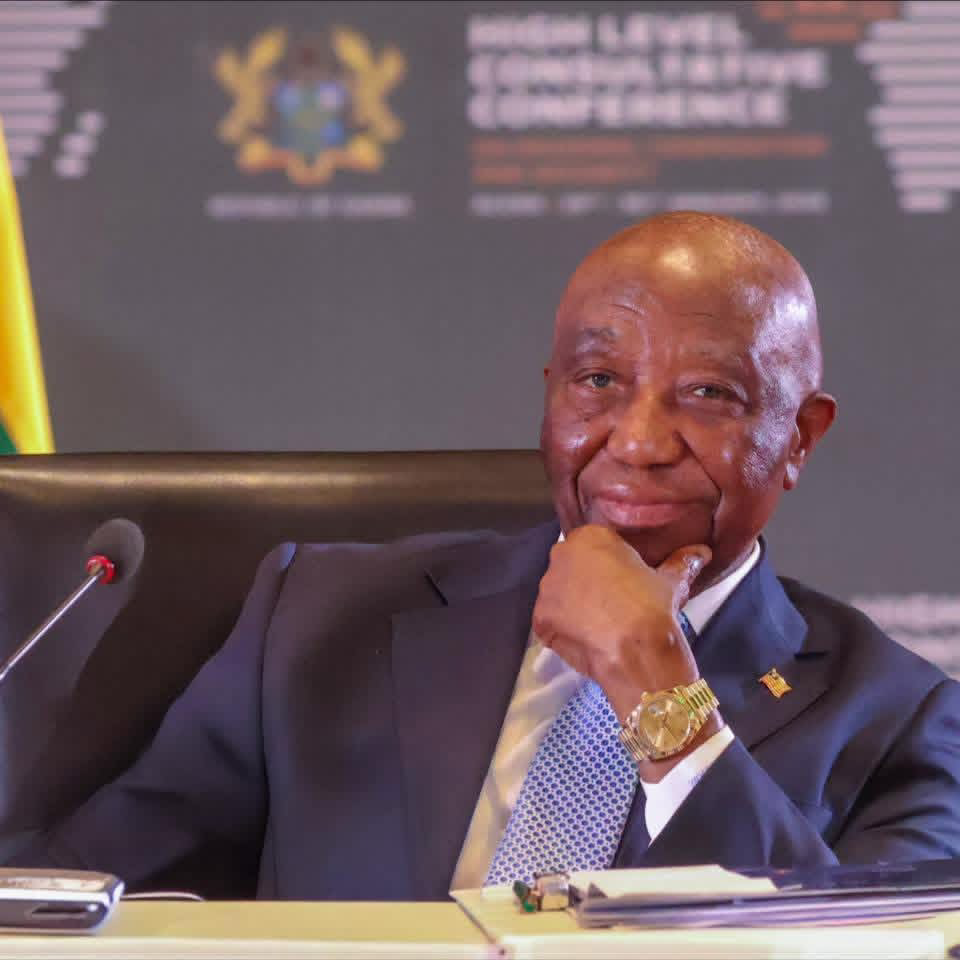
–Signs Executive Order 171
Monrovia, Liberia | President Joseph Nyuma Boakai, Sr. has signed Executive Order No. 171, setting in motion the process of creating a state-owned National Minerals Company (NMC), a move that could reshape how Liberia manages and profits from its mineral wealth.
The order, issued from the Executive Mansion, establishes a temporary inter-agency council tasked with drafting the National Minerals Company Act and building the legal, technical, commercial and financial framework for the new entity. The draft law must be sent to the National Legislature within 12 months.
Citing Article 22 of the Constitution, the order reaffirms that all minerals beneath Liberian soil belong to the Republic. It signals a shift in natural resource policy aimed at ensuring Liberia captures more value from its resources, takes commercial equity stakes in mining ventures, processes minerals at home, markets them directly, makes strategic investments and opens more room for Liberians in the sector.
Who sits on the council
The body, called the Interim National Minerals Company Development and Transition Mechanism Council, will operate within the Executive Branch under the direct supervision of the Ministry of Mines and Energy. Its members, to be designated by the President, will come from: Ministry of Mines and Energy, Ministry of Justice, Ministry of Finance and Development Planning, National Investment Commission (NIC), National Bureau of Concessions (NBC), and Liberia Extractive Industries Transparency Initiative (LEITI)
A Minerals Company Liaison Officer will manage the council’s day-to-day work and coordinate among the agencies.
Regulator and business kept separate
The order draws a clear line between the state as a business player and the state as sector regulator. The Ministry of Mines and Energy keeps its full powers over regulation, policy, licensing, inspection and enforcement. Any future National Minerals Company, the order says, must act strictly as a commercial entity, with no regulatory authority over private companies it competes with.
Limits on the council’s powers
The council is a transition body only. It has no separate legal identity and cannot acquire, sell or pledge public mineral assets or equity. It is also barred from signing binding mining agreements, taking commercial loans, issuing financial guarantees, creating public debt or committing public funds to investments.
What the council must do
Its assignments include: A full legal review of existing mining laws, Institutional assessments, An audit of the state’s equity rights and geoscientific assets, Financial models for capitalizing the company, Safeguards on fiduciary duties, conflicts of interest, external audits and public transparency
Within 90 days of its members’ formal appointment, the council must give President Boakai an initial implementation report covering its legal findings, financial modeling, governance structures and legislative timetable.
The council will be funded entirely from the existing administrative budget of the Ministry of Mines and Energy, with no new unappropriated debt authorized. The order took effect immediately upon signing and will remain in force for 12 months, unless extended, revoked or replaced by an act of the Legislature.