


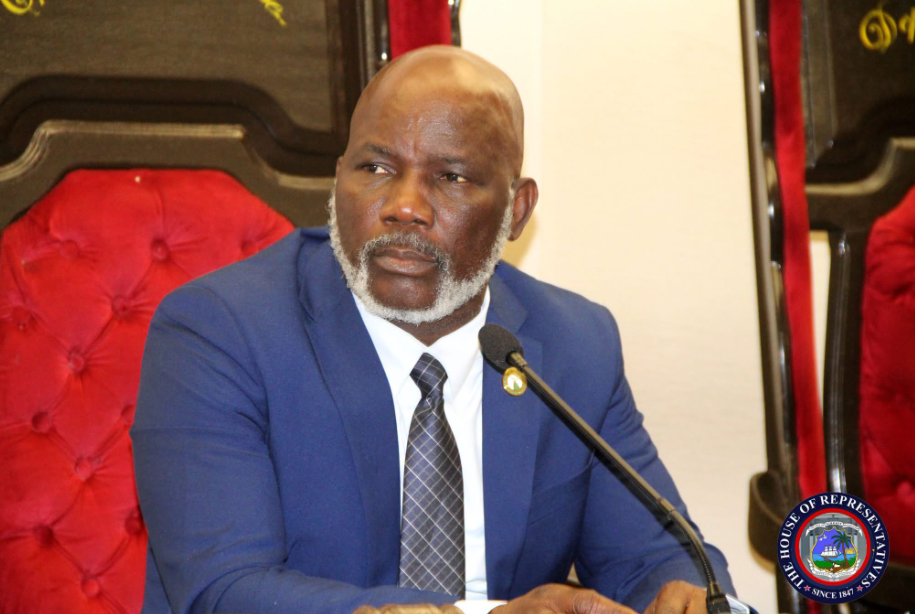
Monrovia, Liberia — The House of Representatives has endorsed a specialized report from its Joint Committee on Maritime Affairs and Commerce, calling for sweeping reforms in Liberia’s maritime trade, port operations, and cargo clearance system, and urging relevant institutions to ensure the full implementation of all recommendations within a prescribed timeframe.
The report, read during Thursday’s Plenary sitting—the 13th day of the Third Quarter of the Third Session—examined challenges surrounding cargo clearance and port congestion following concerns raised by the China Business Women Association over difficulties within Liberia’s maritime trade and cargo clearance system.
The Joint Committee, chaired by Maryland County Electoral District 3 Representative Hon. Austin B. Taylor, recommended a series of measures aimed at addressing identified deficiencies and strengthening the country’s maritime trade and cargo clearance system. Among the recommendations endorsed by Plenary are:
· Coordinated program development: Relevant ministries, agencies, commissions, and service providers should develop and implement a coordinated program to address administrative, regulatory, and infrastructural deficiencies identified in the report.
· Support for Liberian-owned storage facilities: The National Port Authority (NPA) and APM Terminals Liberia should facilitate qualified Liberian-owned off-dock container storage facilities through transparent and competitive contractual arrangements.
· Accelerated National Trade Single Window implementation: The Ministry of Commerce and Industry and the Liberia Revenue Authority should accelerate implementation of the National Trade Single Window to improve trade facilitation, streamline processes, and promote digital integration.
· Written implementation plans: Relevant government institutions must submit written implementation plans to the Joint Committee within 30 days following adoption of the report.
· Continued legislative oversight: The Joint Committee should maintain periodic progress reports to Plenary on the implementation of the recommendations.
· Legislative review: Existing laws, regulations, and administrative instruments governing maritime trade, port operations, and cargo clearance should be examined, with proposals for appropriate amendments where necessary.
In its findings, the Joint Committee established that the challenges confronting the petitioners reflect broader structural and administrative deficiencies within the country’s maritime trade system.
The Committee observed that congestion at the Freeport of Monrovia is not solely the result of limited physical storage capacity, but rather a combination of prolonged administrative procedures, fragmented regulatory functions, excessive container dwell time, inadequate off-dock storage infrastructure, and insufficient coordination among relevant institutions.
The report acknowledged that immediate interventions undertaken by the Joint Committee in collaboration with the NPA and APM Terminals Liberia facilitated the discharge of the affected containers, providing relief to the petitioners. However, the Committee warned that such challenges could recur if comprehensive and sustainable corrective measures are not instituted.
The Joint Committee stressed the need for Liberia to transition from a storage-oriented port operational system to a more efficient cargo transit and distribution gateway characterized by predictable administrative procedures, digital integration, faster cargo evacuation, and competitive logistics costs.
It further emphasized that modernization of the country’s maritime trade infrastructure presents an opportunity to expand meaningful Liberian participation in the maritime and logistics sector, particularly through the establishment of privately operated container depots, bonded storage facilities, and other supporting infrastructure.
The Committee maintained that the efficient movement of cargo through Liberia’s ports must be treated as a national economic priority, extending beyond the operational responsibilities of terminal operators, given its direct implications for trade, government revenue, private-sector growth, and the cost of goods and services.
The Joint Committee expressed confidence that full implementation of the recommendations would enhance domestic revenue mobilization, reduce the cost of doing business, improve the availability and affordability of essential commodities, stimulate private-sector investment, and strengthen Liberia’s competitiveness within the regional maritime trade network.
The House’s endorsement of the report underscores its commitment to legislative oversight, institutional accountability, and reforms aimed at improving Liberia’s trade and investment climate. The House of Representatives has called on all relevant institutions to treat the recommendations with urgency and ensure that the necessary actions are taken within the prescribed timeframe.


