

By Jessica Cox
MONROVIA, Liberia The National Public Health Institute of Liberia (NPHIL) has reassured the public that Liberia remains free of Ebola while intensifying surveillance and preparedness measures in response to an outbreak affecting parts of East and Central Africa.
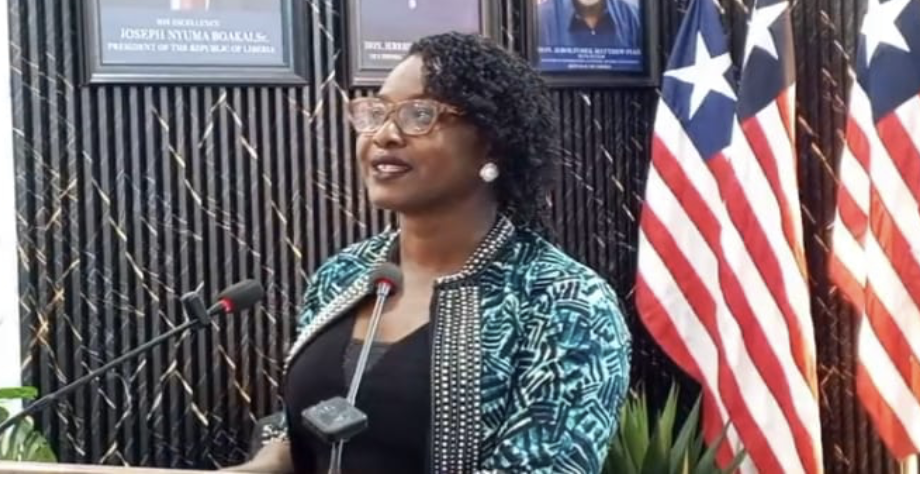
Delivering an update during the Ministry of Information’s regular press briefing on Tuesday June 2, 2026, the Interim Director General of the National Public Health Institute of Liberia Dr Sia Watta reaffirmed that there are currently no confirmed, suspected, probable, or contact cases of Ebola in Liberia.
He noted that the country remains on heightened alert because of the ongoing outbreak of the Sudan strain of Ebola virus disease in Uganda and the Democratic Republic of Congo. “Let me emphasize: We do not have Ebola in Liberia,” the NPHIL boss said. “However, comprehensive preparedness measures have been increased to ensure rapid detection, immediate isolation, and an effective response should a suspected case emerge.”
The Interim Director General explained that Liberia began screening travelers arriving from affected regions on May 17 following international alerts issued by global and continental health authorities.
She said surveillance has been strengthened at air, sea, and land borders, with travelers undergoing temperature checks, health assessments, and travel-history screenings. Digital thermal scanners have also been installed at the country’s main airport to improve early detection efforts.
According to her, fever is among the earliest and most common symptoms of Ebola, making temperature screening one of the most effective tools for identifying potential cases. She further clarified that unlike COVID-19, Ebola is only contagious when an infected person develops symptoms. Individuals exposed to the virus may take up to 21 days before showing signs of illness but are generally not infectious during the incubation period.
As part of Liberia’s preparedness strategy, NPHIL plans to vaccinate healthcare workers and other high-risk groups against the Ebola Sudan strain.
The vaccination campaign is expected to target frontline health workers, laboratory personnel, and staff working at ports of entry. The Interim Director General emphasized that vaccination is currently intended for high-risk groups and is not recommended for the general population.
She also disclosed that personal protective equipment has been procured and distributed to healthcare facilities, while handwashing stations, sanitizers, and other infection-prevention materials have been deployed at borders and health institutions across the country. NPHIL said it is scaling up public awareness efforts through radio programs, jingles, flyers, banners, and community engagement activities aimed at educating citizens about Ebola prevention and reducing misinformation.
The institute has also activated its emergency call center and encouraged citizens to call 4455 for information or to report health concerns.
Health authorities are urging Liberians to maintain good hygiene practices, wash their hands regularly, avoid contact with sick individuals or bodily fluids, and seek immediate medical attention if symptoms develop, especially after travel from affected areas.
Drawing on Liberia’s experience during the devastating 2014 Ebola epidemic, the Interim Director General called for public cooperation and vigilance.
She noted that Liberia’s surveillance, laboratory, preparedness, and response systems have been fully activated and are being continuously monitored to ensure the country remains ready to respond to any potential threat.
While assuring the public that there is no Ebola case in Liberia, she stressed that prevention remains the country’s strongest defense against the disease.
“Prevention is better than cure,” she said, urging citizens to remain calm, rely on official information, and support national efforts to keep Liberia Ebola-free.