

-As Liberia War Crimes Court Process Advances
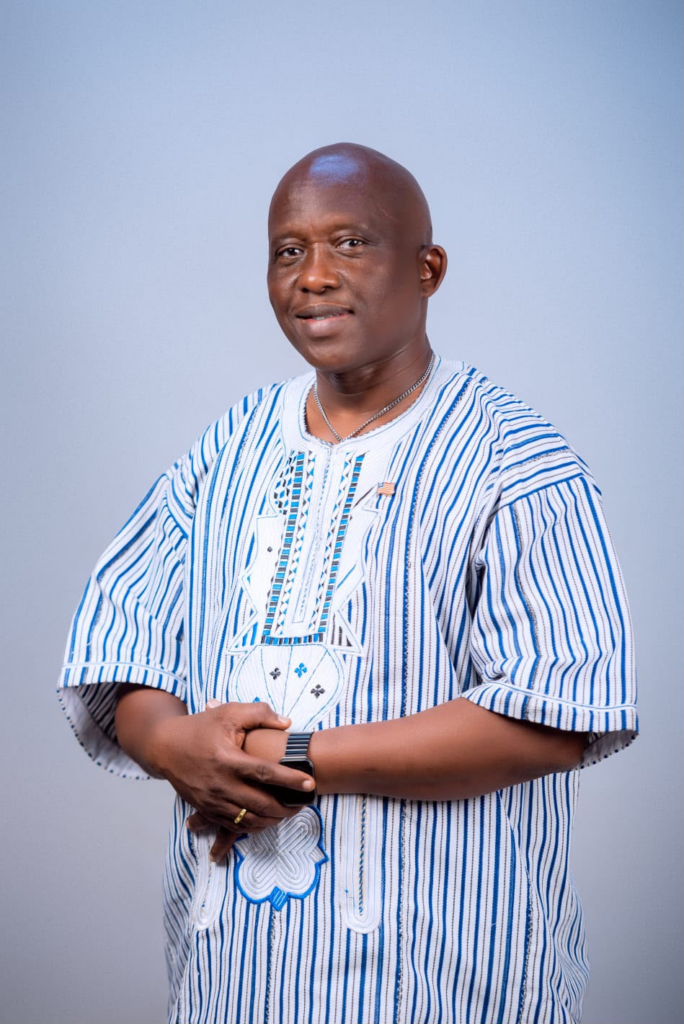
Monrovia, Liberia – The Executive Director of the Office for the Establishment of the War and Economic Crimes Court for Liberia (OWECC-L), Prof. Dr. Cllr. Jallah A. Barbu, has returned from a transformative study mission to Rwanda, bringing back insights from one of Africa’s most remarkable post-conflict recovery stories.
His return comes as Liberia inches closer to establishing its long-awaited War and Economic Crimes Court. Prof. Barbu spent ten days in Rwanda examining how that nation rebuilt itself after the 1994 Genocide against the Tutsi—a devastation that claimed nearly one million lives in just 100 days.
“The visit was both educational and inspiring,” Dr. Barbu said upon his return to Monrovia. “Rwanda’s experience reminds us that justice is not simply about prosecuting crimes. It is about restoring dignity to victims, rebuilding institutions, strengthening public confidence in the rule of law, and creating the conditions for lasting peace.”
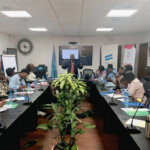
The study mission took Dr. Barbu across Rwanda’s key justice institutions, from the Kigali High Court and its specialized International Crimes Chamber to the Institute of Legal Practice and Development. He also visited genocide memorials at Kigali and Nyamata, where the remains of thousands of victims are preserved as powerful reminders of the consequences of unchecked hatred.
These visits provided Liberian officials with practical insights into how Rwanda built its post-genocide justice system from the ground up. Central to the discussions were approaches to witness protection, victim participation in legal proceedings, memorialization, and psychosocial support for survivors.
A significant focus was the unique “Gacaca” community court system, which Rwanda employed to handle the massive caseload of genocide-related prosecutions. While Liberia’s approach will be different, officials noted that the principle of community involvement in justice processes offered valuable lessons.
The mission bore tangible fruit, with Rwandan transitional justice experts and partner institutions pledging sustained technical cooperation and knowledge exchange with Liberia. These commitments cover institutional development, legal capacity building, victim participation frameworks, and documentation strategies—all critical components for Liberia’s planned court.
Rwandan officials expressed willingness to share practical experiences and technical expertise gained over three decades of post-genocide reconstruction.
“Liberia’s path will be uniquely Liberian, but there are valuable lessons we can draw from countries that have successfully confronted difficult chapters in their history,” Dr. Barbu noted.
Beyond the Rwanda mission, OWECC-L has been actively strengthening ties with Liberians abroad, recognizing that transitional justice requires national participation extending beyond Liberia’s borders.
On July 24, Ambassador Maxson S. Kpakio, the Office’s Psychosocial Manager and Coordinator for Disability Affairs, represented OWECC-L at Liberia’s Independence Day celebrations organized by the Union of Liberian Organisations in the United Kingdom (ULOUK) in Sheffield. His presentation on Liberia’s transitional justice process generated meaningful dialogue with community members.
Two days later, Ambassador Kpakio addressed members of the Liberian Community Organisation in London at the invitation of its President, Dr. Pretorius Toe. The engagement allowed Liberians in the UK to ask questions directly about the court’s establishment and express their support.
Discussions are now underway with Liberian community leaders in the Kingdom of the Netherlands for a proposed visit in the coming weeks, reflecting growing interest among Liberians across Europe in contributing to national accountability efforts.
Dr. Barbu emphasized that the Rwanda experience would be translated into practical actions supporting Liberia’s transitional justice agenda. He plans to brief national stakeholders on key lessons and recommendations from the mission, while OWECC-L will pursue sustained technical cooperation with Rwandan institutions.
“The establishment of the War and Economic Crimes Court presents a historic opportunity to address impunity, strengthen the rule of law, restore public confidence in national institutions, honour victims, and help prevent future atrocities,” Dr. Barbu said.
The Office reaffirmed its commitment to working collaboratively with the Government of Liberia, the National Legislature, the Judiciary, civil society organizations, victims and survivors, traditional and religious leaders, and development partners to ensure broad national ownership of the process.
For Liberia, a nation still grappling with the legacy of two brutal civil wars that claimed over 250,000 lives between 1989 and 2003, the establishment of a war crimes court represents a watershed moment. The Truth and Reconciliation Commission recommended the court’s creation in 2009, but successive governments delayed implementation.
President Joseph Boakai’s administration has prioritized the court’s establishment, creating OWECC-L to coordinate the process. The Rwanda study mission marks one of the Office’s most significant international engagements since its inception.
As Dr. Barbu and his team work to transform lessons from Rwanda into concrete actions, one message resonates clearly: meaningful international cooperation, informed national leadership, and active participation by Liberians at home and abroad will be critical to building a credible, inclusive, and sustainable transitional justice process.
The coming months will reveal how effectively these lessons translate into action—and whether Liberia can follow Rwanda’s path from the ashes of conflict toward lasting peace, reconciliation, and national healing.
About OWECC-L
The Office for the Establishment of the War and Economic Crimes Court for Liberia (OWECC-L) is mandated by the Government of Liberia to coordinate and facilitate the establishment of the War and Economic Crimes Court and related transitional justice mechanisms in accordance with the recommendations of the Truth and Reconciliation Commission and applicable national and international legal frameworks.