

By: Laymah Kollie
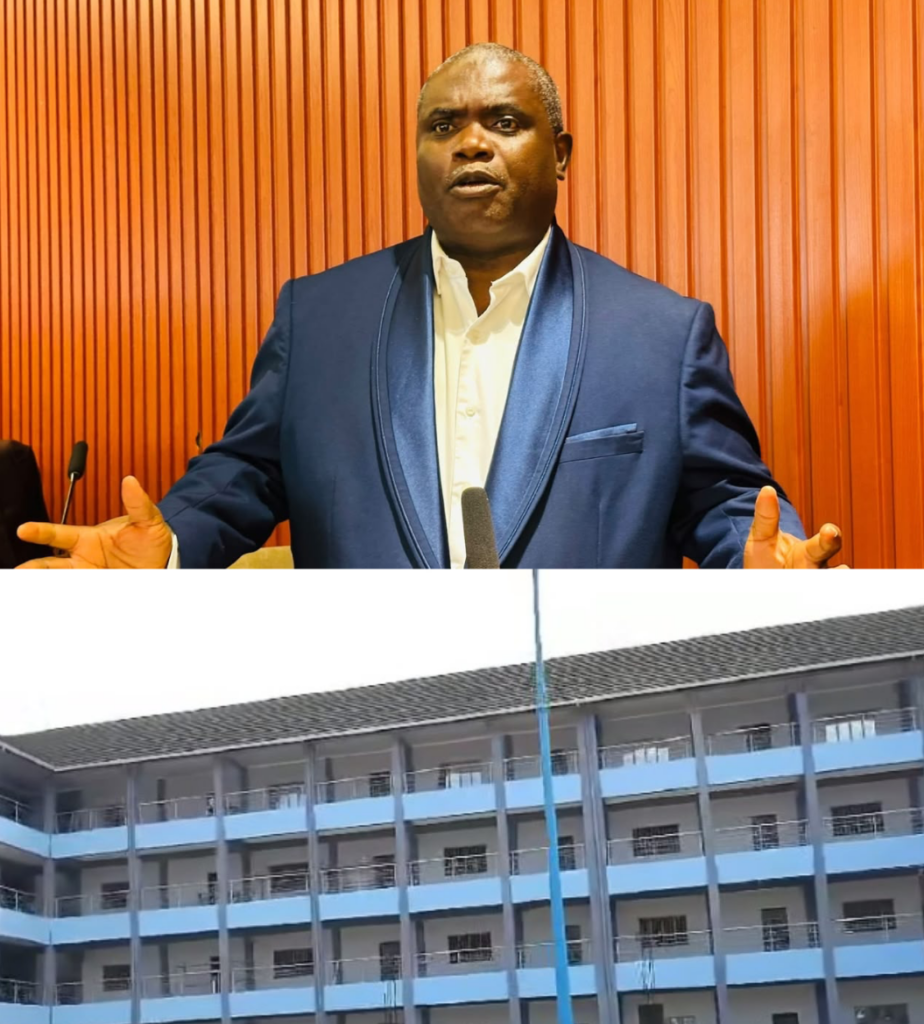
MONROVIA, LIBERIA — The Ducor Institute, owned by Montserrado County Senator Saah Hardy Joseph, is expected to provide temporary learning facilities for University of Liberia (UL) students for up to six months while renovation works continue on the university’s campuses.
The arrangement follows several weeks of talks between the UL administration and a Ducor Institute delegation led by its Chief Executive Officer, Senator Saah H. Joseph. It is meant to give students alternative learning spaces so the university can resume its next academic semester without further disruption.
Background: A university at a standstill
The deal comes after months in which Liberia’s flagship state university has largely stood still. Academic activities were suspended earlier this year after the University of Liberia Faculty and Staff Association went on strike over staff and faculty benefits and conditions at the institution. Concerns about the state of campus infrastructure, including at the university’s medical schools, added to the pressure.
In August, President Joseph Boakai met separately with the faculty and staff leadership, the university administration and the Board of Trustees. He brokered an agreement to restart operations and ordered priority renovation of existing facilities. The university had earlier announced August 25 as its reopening date, but UL President Dr. Layli Maparyan later described the situation as “complicated,” and classes did not resume.
The government appropriated about US$6.3 million for renovation and modernization in the 2026 fiscal year. At an October 21 press conference, Dr. Maparyan said US$6.35 million had been provided, with additional funding expected. She said major projects are expected to be completed by March 31, 2027. At the same briefing, she postponed the 2026 graduation and gave no date for reopening. She also said the administration was reviewing a new draft memorandum of understanding among the administration, the Faculty Association, the Staff Association and the Ministry of Finance and Development Planning. She acknowledged that the negotiations had been “painfully slow.”
The impasse has not fully ended. Days later, the faculty and staff association said its members would stay off the job until the administration signs a written agreement on their demands. The association also questioned a reported US$4 million renovation contract that it said was awarded without competitive bidding.
Student leaders have also pressed the university for options. On October 13, a student leader urged the administration to introduce alternative learning arrangements, including online learning, while renovation work continues. “Renovation should improve the university, not unnecessarily suspend the education of its students,” he said. He noted that students at other Liberian universities had already resumed classes.
The proposed arrangement
Under the arrangement, UL students are expected to use educational facilities at Mount Barclay and New Georgia, along with other locations identified for academic activities. These include the Fendall campus, an online learning platform and facilities at Tubman High School.
The temporary arrangement is expected to ease pressure on the university while rehabilitation and construction continue, and to ensure students have somewhere to pursue their education.
The initiative reflects an effort to maintain academic continuity during the renovation period and minimize disruption to students, faculty and the wider university community.