

-For Aligning With the Global Methodist Church (GMC)
By Jerromie S. Walters
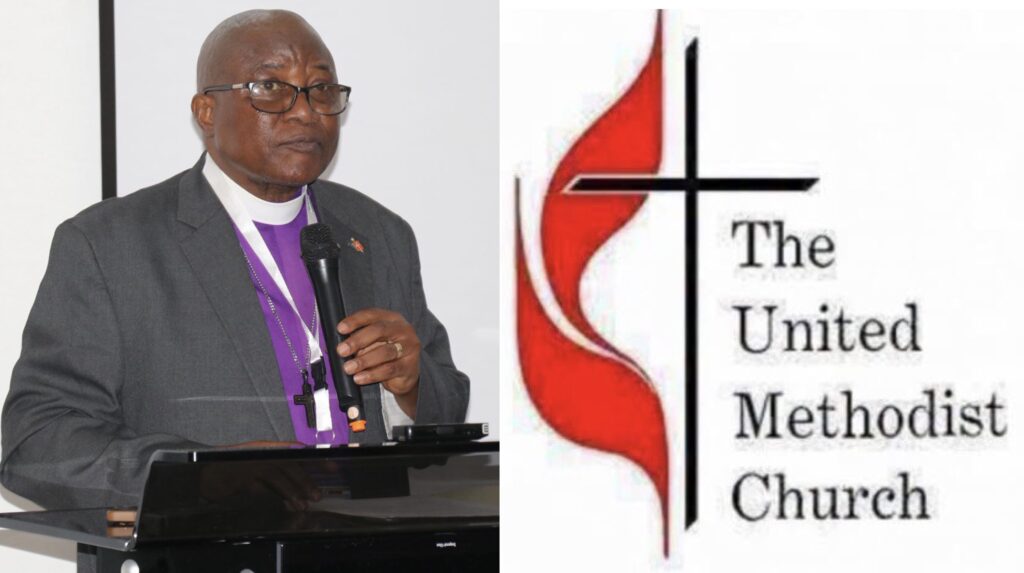
MONROVIA, Liberia– The Liberia Annual Conference of the United Methodist Church (UMC) has officially expelled more than 127 pastors from the denomination, a move that Bishop Samuel J. Quire Jr. says was necessary to preserve the church’s doctrine, discipline, and institutional integrity amid a prolonged division over same-sex marriage and church governance.
At a media engagement in Monrovia on Friday, June 19, 2026, Bishop Quire, Resident Bishop of the Liberia Episcopal Area, said the expelled clergy had voluntarily separated themselves from the United Methodist Church and aligned with the breakaway Global Methodist Church (GMC), making their continued recognition as UMC pastors impossible.
According to Bishop Quire, the pastors failed to comply with church regulations requiring them to surrender their ministerial credentials after leaving the denomination. “The pastors chose to leave the United Methodist Church and establish another denomination. Under our Book of Discipline, they can no longer be recognized as clergy of the United Methodist Church,” the Bishop stated.
The decision was endorsed during the 193rd Session of the Liberia Annual Conference held in Greenville, Sinoe County, where delegates adopted a resolution affirming the expulsion of the clergy members. The church leadership said the affected pastors were removed for allegedly disregarding the authority of the denomination, promoting teachings contrary to UMC standards, and refusing to return official ministerial credentials as required by church law.
The action comes amid an ongoing dispute within the global United Methodist Church following decisions made at the 2024 General Conference regarding the inclusion of LGBTQ persons in church life. Bishop Quire clarified that while the global denomination adopted measures aimed at inclusivity, the Liberia Annual Conference remains committed to biblical teachings, Liberian laws, customs, and traditions concerning marriage.
He stressed that Liberia’s United Methodist Church does not recognize same-sex marriage and will not conduct weddings involving same-sex couples.
“Our position remains unchanged. Marriage, as recognized by the Liberia Annual Conference, is between a man and a woman, consistent with Scripture, Liberian law, and our cultural values,” he said.
The conference also adopted a resolution reaffirming that marriage within the church shall remain a union between a man and a woman and that the ordination of self-avowed practicing homosexuals will not be permitted within the Liberia Annual Conference.
Beyond the clergy expulsions, Bishop Quire addressed the ongoing legal battle over church properties occupied by members of the Global Methodist Church.
He accused the breakaway group of taking control of several United Methodist congregations and changing their names while continuing to occupy church-owned facilities. According to him, the matter is currently before the Supreme Court of Liberia after the Global Methodist Church appealed a lower court ruling that favored the United Methodist Church. “If you decide to leave the United Methodist Church, you cannot take the church’s properties with you,” Bishop Quire maintained.
Meanwhile, the Bishop announced that the Liberia Annual Conference will convene a special session in Gbarnga, Bong County, from July 10–12 to elect delegates to the West Africa Central Conference and the 2028 General Conference. He also disclosed that Liberia will host the annual meeting of the African College of Bishops from August 29 to September 4, bringing together Methodist bishops from across the continent to discuss evangelism, food security, agriculture, health challenges, and the future growth of the church in Africa.
The 193rd Annual Conference further adopted a five-year strategic plan for 2025-2030, aimed at strengthening evangelism, leadership development, institutional accountability, youth ministries, education, healthcare, and sustainable development initiatives across Liberia. Church leaders described the resolutions adopted at the conference as part of efforts to “mend the broken pieces” of the denomination and position the church for future ministry and growth.