

Monrovia, Liberia – As the world observed World Refugee Day 2026, the Global Advancement for Refugees, Migrants and Stateless Persons (GARMS Inc.) has commended the Government and people of Liberia for decades of hospitality toward displaced populations—while issuing an urgent call for legal reforms to address emerging realities of climate displacement, mixed migration, and statelessness.
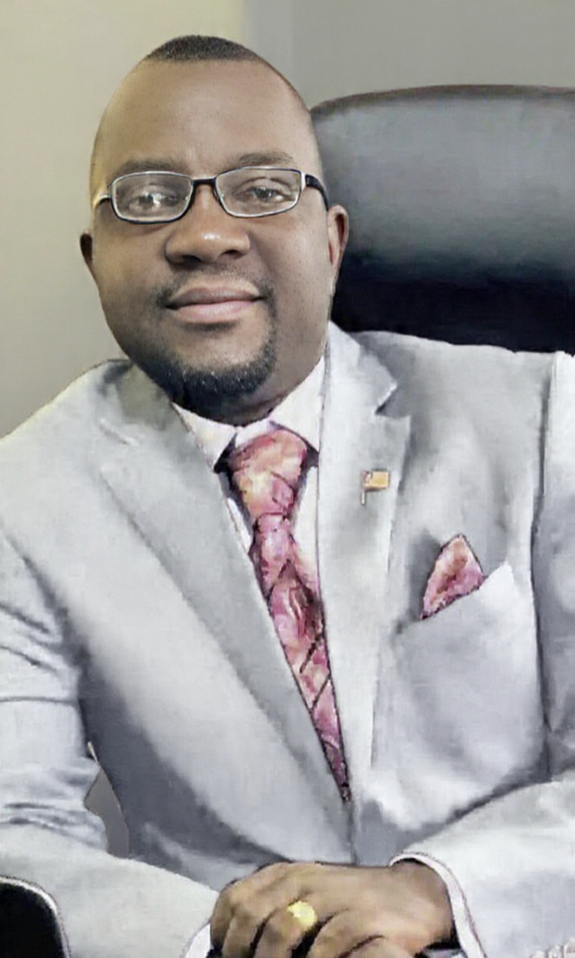
Speaking as guest facilitator at a World Refugee Day program organized by the Global Alliance to End Statelessness in Monrovia, Rev. Festus R. B. Logan—former Executive Director of the Liberia Refugee Repatriation and Resettlement Commission (LRRRC) and current Executive Director of GARMS—urged stakeholders to move beyond symbolic gestures toward concrete, legislative action.
“World Refugee Day forces us to look beyond statistics,” Rev. Logan said. “A refugee is a mother who carried her children through a war zone. A migrant is a young man crossing borders to build a future. A stateless person is a child born without papers, locked out of school and healthcare. None chose displacement. But we can choose how we respond.”
GARMS highlighted Liberia’s distinguished record as both a country of asylum and a provider of durable solutions. The nation ratified the 1951 Refugee Convention and, in 1993, established the LRRRC to institutionalize refugee protection and resettlement frameworks.
That legacy includes the voluntary repatriation of over 37,000 Ivorian refugees to Côte d’Ivoire in safety and dignity. For those who chose to remain, Liberia invested in 150 housing units and livelihood programs to support local integration—a model that drew international acclaim.
In a notable endorsement, UN High Commissioner for Refugees Mr. Filippo Grandi visited Liberia and publicly commended the country’s hospitality and adherence to international protection standards. More recently, the Government—through the LRRRC has begun profiling and documenting an estimated 140,000 Burkinabè nationals along Liberia’s borders.
“You cannot protect or plan for people you have not counted,” Rev. Logan observed, underscoring the importance of accurate data in humanitarian response.
Despite these achievements, GARMS identified critical gaps in Liberia’s legal and policy frameworks. The organization called on the Government and the Legislature to address four urgent priorities:
1. Amend the 1993 Refugee Act – Update the law to reflect contemporary challenges, including mixed migration flows, climate-induced displacement, and protracted statelessness.
2. End Statelessness – Ensure universal birth registration so that no child born in Liberia or to Liberian parents is denied nationality due to administrative or documentation gaps.
3. Manage Migration as Opportunity – Recognize documented migration as an asset that strengthens ECOWAS trade, labor mobility, and remittances when properly regulated.
4. Adopt a Comprehensive Reintegration Policy – Develop a multi-stakeholder reintegration framework with the LRRRC at the helm of coordination efforts.
Rev. Logan challenged all stakeholders to translate commitment into action. He called on the Government and Legislature to prioritize amendment of the Refugee Act and fully resource the ongoing border profiling exercise. He urged partners to continue investing in host communities so that solidarity benefits both displaced persons and Liberians alike.
To citizens, he extended a call to reciprocate the hospitality Liberia itself received during its periods of civil conflict. And to refugees, migrants, and stateless persons, he offered reassurance: “Your resilience strengthens Liberia. You are seen, counted, and protected.” “Refuge may be temporary, but dignity must be permanent,” Rev. Logan concluded. “Liberia has led before. Let us lead again with updated laws, accurate data, and open hearts.”
The Global Advancement for Refugees, Migrants and Stateless Persons is a civil society organization dedicated to protection, inclusion, and policy reform for displaced and stateless populations. GARMS works with the government, UN agencies, and communities to ensure no one is left invisible.