

By: Sampat JMB Kpakimah
The Government of Liberia, through the Ministry of Health, in collaboration with the Mastercard Foundation and UNICEF Liberia, has launched the Community Health Workforce Development Program, a major initiative aimed at strengthening the country’s primary healthcare system while expanding employment opportunities for young people, particularly women.
The program, described as a flagship intervention, seeks to transform community health service delivery by investing in a new generation of trained and empowered frontline health workers. It also aligns with broader national and continental goals of improving healthcare access, enhancing community resilience, and promoting youth empowerment through dignified employment.
Speaking during the launch on Friday, May 1, 2026, UNICEF Deputy Representative for Operations and Head of Operations, Ebrima Sarr, stressed the importance of community health workers, noting that they remain central to saving lives and responding to public health challenges. He explained that Liberia has made significant progress by transitioning from a volunteer-based system to a more structured and professional community health workforce.
According to him, more than 5,000 community health assistants are already operating across the country, delivering essential services and playing key roles during major health emergencies, including the Ebola outbreak, COVID-19 pandemic, polio resurgence, and emerging diseases such as mpox.
“Life depends on health workers,” Sarr said, emphasizing that strengthening healthcare at the community level is critical to improving national health outcomes. He highlighted the program’s focus on women and youth, noting that women, in particular, are central to family health and community well-being.
He commended the Ministry of Health, under the leadership of Dr. Louise M. Kpoto, for implementing what he described as bold and visionary reforms in alignment with the government’s development agenda. Sarr reaffirmed UNICEF’s commitment to supporting Liberia through technical assistance, partnerships, and sustained advocacy for improved healthcare delivery.
He further called on stakeholders to adopt a coordinated approach, urging all partners to operate under a unified plan, budget, and monitoring system in line with Africa CDC frameworks to ensure accountability and evidence-based results.
Sarr concluded by emphasizing the urgency of action, stating that no woman should die during childbirth, no child should succumb to preventable diseases, and no country should be left behind in the global pursuit of equitable healthcare.
Providing an overview of the initiative, Director of the National Community Health Program, S. Olasford Wiah, said the program is designed to strengthen community health platforms nationwide by improving service delivery and expanding access to quality healthcare.
He noted that Liberia is among several West African countries selected to benefit from the initiative, alongside Côte d’Ivoire, Sierra Leone, Niger, Ghana, and Mali. He added that the program aligns with the Mastercard Foundation’s goal of enabling 30 million young Africans to secure dignified employment by 2030.
Delivering remarks on behalf of the Mastercard Foundation, Caleb Aromeh, Lead for Digital Innovation, AI, and Entrepreneurship, described the program as a critical milestone for Liberia’s healthcare system. He emphasized that community health workers have consistently been at the forefront of combating disease outbreaks and are essential to strengthening primary healthcare systems across Africa.
“This initiative represents a strategic investment not only in health but also in economic empowerment,” Aromeh said, noting that it will provide training, skills development, and employment opportunities while enhancing community resilience.
For her part, Senator Dabah M. Varpilah of Grand Cape Mount County highlighted the importance of community health workers, particularly in rural areas where access to healthcare facilities remains limited. She explained that many residents depend on these workers due to long distances and limited transportation options.
“Community health workers are the backbone of primary healthcare,” she said, while assuring that the Government of Liberia remains committed to sustaining the program even in the face of potential funding challenges.
In her keynote address, Minister of Health Dr. Louise M. Kpoto underscored the broader economic and social impact of the initiative. She noted that the program goes beyond healthcare delivery by equipping young people with entrepreneurship skills, access to financing, mentorship, and networking opportunities.
She stressed that the initiative is designed to promote self-reliance, especially among women, enabling them to build independent livelihoods and contribute meaningfully to national development.
Dr. Kpoto also disclosed that Liberia is now benefiting from an entrepreneurship funding scheme under the program, which she described as a significant boost for the country. She revealed that although initial concerns existed about implementation capacity, continued engagement with partners ensured Liberia’s inclusion.
Highlighting progress within the sector, she noted that 56 percent of Community Health Assistants have been integrated into the national payroll over the past two years, with plans to achieve full integration by 2029.
She extended gratitude to the Liberian Senate, particularly Senator Varpilah, for sustained support to the Ministry of Health, describing her as a key driver behind ongoing reforms.
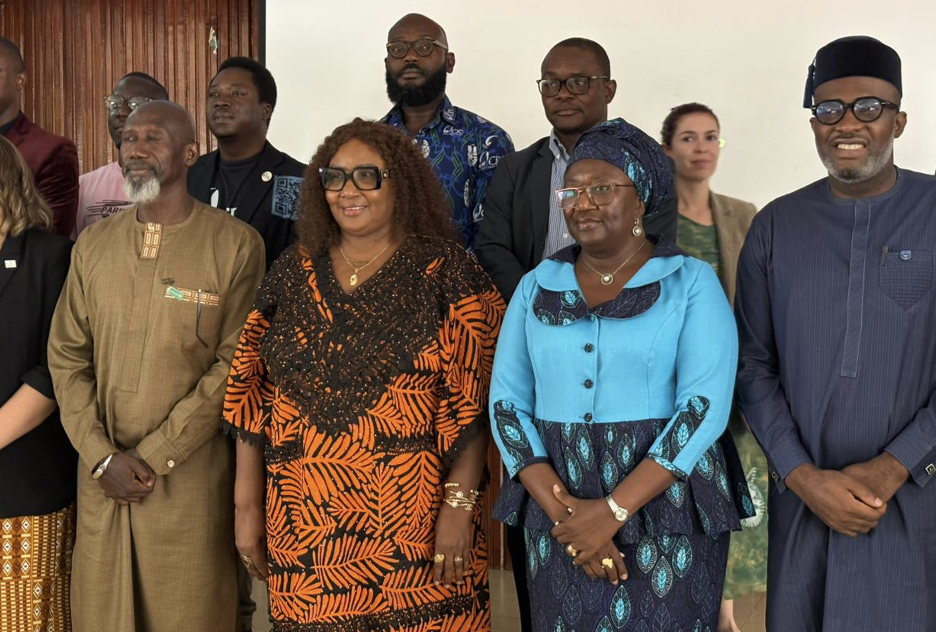
The launch event, held on Friday, May 1, 2026, at the Ministry of Health conference hall in Monrovia, brought together key stakeholders, including representatives from the World Bank, Africa CDC, the Ministry of Local Government, Catholic Relief Services-CRS, and other development partners.
Under the program, approximately 10,000 community health workers are expected to be trained by 2028, with an additional 5,000 receiving advanced skills development. Notably, about 70 percent of beneficiaries will be young women between the ages of 18 and 35, reinforcing the initiative’s focus on gender inclusion and youth empowerment.
The Community Health Workforce Development Program is expected to play a transformative role in Liberia’s health sector by strengthening frontline services, improving access to care, and creating sustainable economic opportunities for thousands of young people across the country.