

-War Crimes Court Chief Challenges Liberians to Confront Their Past
As Liberia marked its 179th Independence Day on Sunday, the head of the office tasked with establishing a war crimes court delivered a sobering message: political sovereignty alone is not enough—true freedom demands accountability for the atrocities and corruption that have haunted the nation for decades.
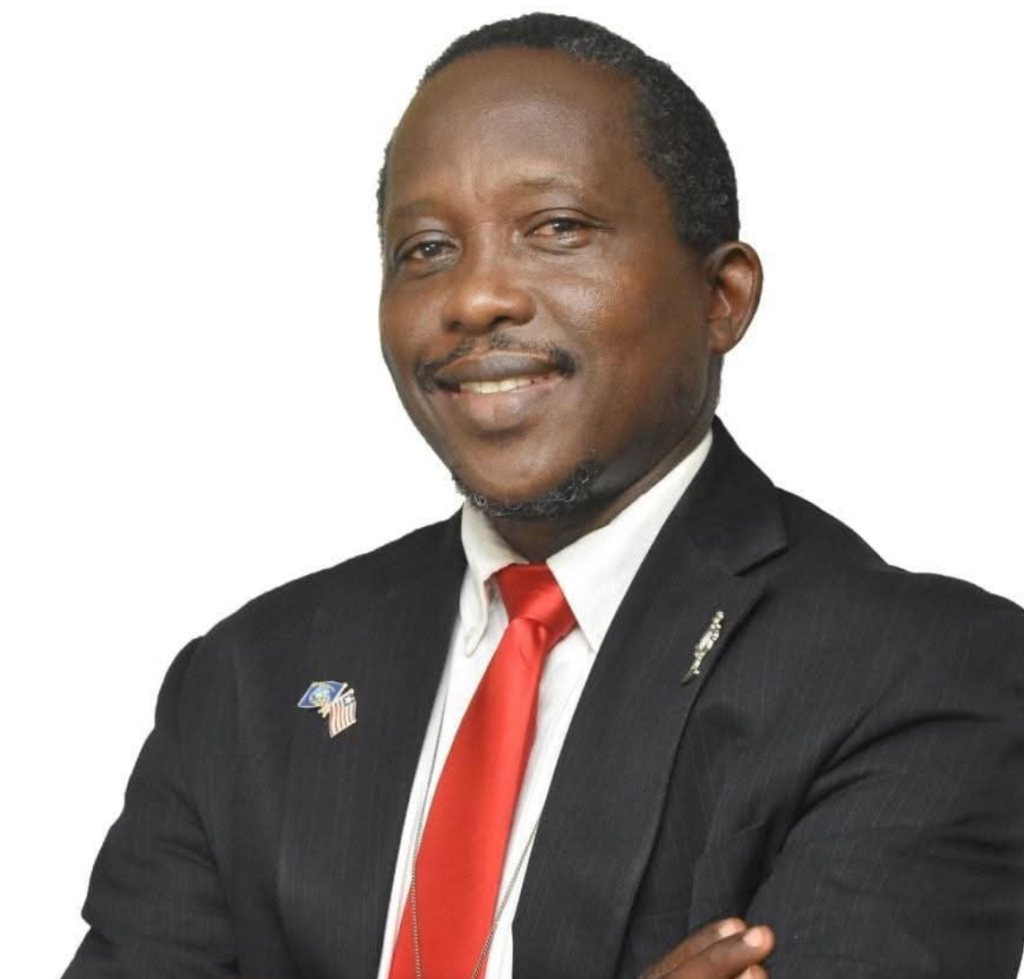
Dr. Cllr. Jallah A. Barbu (Prof.), Executive Director of the Office for the Establishment of War and Economic Crimes Court for Liberia (OWECC-L), used the anniversary to issue a powerful challenge to the government, the legislature, and the Liberian people—to finally break from the legacy of violence, impunity, and abuse that has defined much of the country’s post-independence history.
“The establishment of these courts offers Liberia a unique opportunity to break permanently from the legacy of violence, impunity, corruption, and the willful abuse of human rights and international humanitarian law,” Barbu declared.
His message was both a tribute and a demand—praising President Joseph Nyuma Boakai, Sr. for his “steadfast political leadership” in advancing the courts, while urgently calling on all branches of government to accelerate the passage of the draft laws establishing the War and Economic Crimes Court (WECC) and the National Anti-Corruption Court (NACC).
Barbu emphasized that Liberia’s independence cannot be fully realized until justice is guaranteed for all—regardless of status or political affiliation. “True independence is measured not only by political sovereignty, but also by our collective ability to guarantee justice, protect human rights, and ensure that no one is above the law,” he said.
The OWECC-L boss acknowledged the immense pressure his team faces, revealing that members continue to encounter “diverse threats and risks to their personal safety and the security of their families”—yet remain resolute in their pursuit of justice. “History shall reward you without measure,” he told his staff.
The draft legislation establishing the two courts has been under careful review by the Legislature, with Barbu commending Senate President Pro Tempore Nyonblee Karnga-Lawrence, Speaker Richard Nagbe Koung, Deputy Speaker Thomas Panga Fallah, and Vice President Jeremiah Kpan Koung for their engagement in the law-making process.
But time, Barbu warned, is of the essence.
“Their timely enactment will mark a defining milestone in Liberia’s democratic journey and reinforce our national commitment to accountability,” he stated.
Beyond the halls of government, Barbu extended gratitude to civil society organizations, victims’ associations, faith-based institutions, traditional leaders, youth and women’s groups, and international partners whose advocacy has “kept alive the hope that justice in Liberia remains achievable.”
He called on every Liberian—at home and in the Diaspora—to recommit to justice, integrity, and reconciliation, “void of emphasis on ethnicity or tribal affiliation.” “Together, let us build a Liberia where accountability prevails, the rule of law is respected, and our independence is fully realized through lasting peace and equal justice for all,” he urged.