

Monrovia, Liberia – The Women NGOs Secretariat of Liberia (WONGOSOL) has called on President Joseph Nyuma Boakai, Sr. to immediately address what it describes as deliberate political obstruction and administrative delays hindering the establishment of both the War and Economic Crimes Court and the National Anti-Corruption Court. In a statement released Friday, April 25, 2026, WONGOSOL warned that nearly two years of inaction since the first executive order now threatens Liberia’s commitment to justice, accountability, and the rule of law.
The women’s group expressed grave concern over recent public remarks by Dr. Cllr. Jallah A. Barbu, Executive Director of the Office of the Establishment of the War and Economic Crimes Court (OWECC-L), who indicated that elements within the government are actively blocking progress. WONGOSOL cautioned that any delay—whether through inaction, administrative bottlenecks, or political obstruction—raises serious concerns about Liberia’s dedication to its constitutional and international obligations.
Despite President Boakai issuing Executive Order No. 131 nearly two years ago and its successor, Executive Order No. 148, approximately one year ago, the Office remains not fully operational due to the slow pace of support and collaboration from key government actors, according to WONGOSOL, which serves as Co-Chair of the National Transitional Justice Coordinating Committee alongside the OWECC-L.
WONGOSOL acknowledged that significant progress has been made, including the development and submission of the relevant draft bills to the Executive Branch, formal stakeholder engagements, and collaboration with civil society actors, adding that the foundation for both the War and Economic Crimes Court and the National Anti-Corruption Court is already in place. However, the organization stressed that what remains is decisive and time-bound action, which must be propelled by the Executive Branch submitting the draft bills to the Legislature.
With the one-year anniversary of Executive Order No. 148 approaching and given the phased roadmap agreed upon by stakeholders, WONGOSOL warned that ongoing actions and inactions by certain actors continue to delay the process, whether deliberately or as a result of insufficient political will, thereby undermining justice and contradicting the responsibility of public officials to act in the best interest of the Liberian people.
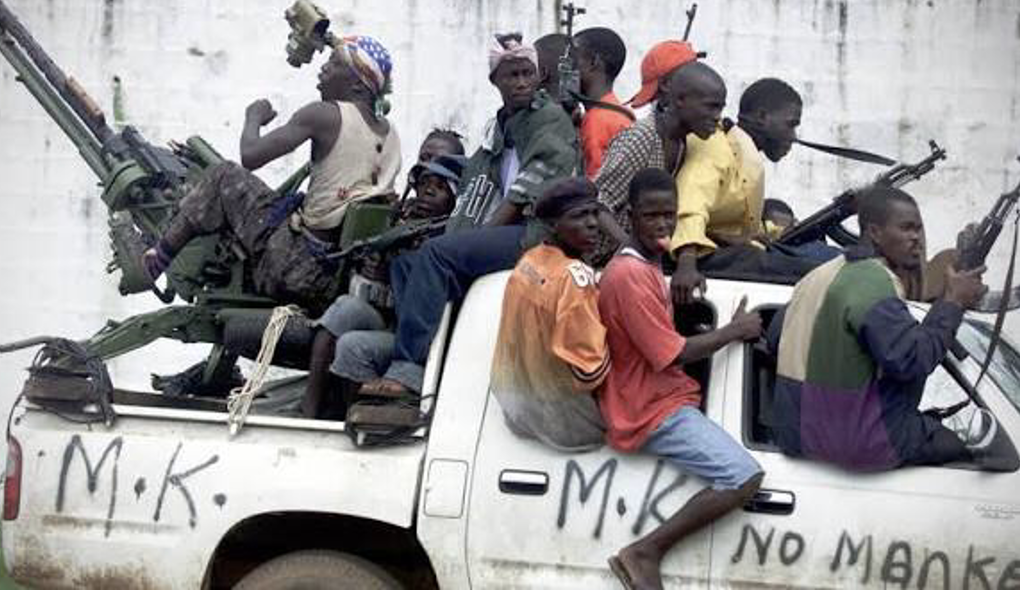
The organization grounded its call in Liberia’s clear legal and moral obligations, noting that the establishment of the War and Economic Crimes Court is grounded in the Truth and Reconciliation Commission’s recommendations and aligned with Article 11 of the 1986 Constitution of Liberia, which guarantees equality before the law.
WONGOSOL further emphasized that Liberia is bound by multiple international, continental, and regional frameworks, including the Convention on the Elimination of All Forms of Discrimination Against Women, United Nations Security Council Resolution 1325 on Women, Peace and Security, the Maputo Protocolol, the United Nations Convention against Corruption, the African Union Convention on Preventing and Combating Corruption, the ECOWAS Protocol on the Fight against Corruption, and the International Covenant on Civil and Political Rights, all of which obligate the country to establish independent, credible, and effective mechanisms to address gross human rights violations and economic crimes while guaranteeing access to justice and an effective remedy for victims.
WONGOSOL also warned that delays in advancing these processes contradict Liberia’s national development priorities, including the ARREST Agenda, and send a troubling message to both citizens and international partners that justice can be postponed or negotiated. The organization stressed that women, who not only suffered the most heinous atrocities during the civil war and continue to be pained by acts of corruption but also played a central role in securing peace, must remain at the forefront of justice and accountability efforts, as their experiences and demands are central to sustainable peace and reconciliation.
Consequently, WONGOSOL caCalled on the Government of Liberia to demonstrate clear and unequivocal political will by expediting all necessary steps toward the full establishment and operationalization of both courts, insisting that no individual or institution, regardless of status, should be allowed to obstruct this process.
Justice for victims, particularly women and girls, must not be compromised, WONGOSOL concluded, declaring that this is a constitutional duty, an international and regional obligation, and a moral imperative, as Liberia stands at a defining moment to reinforce accountability, restore public trust, and strengthen its democratic foundations. The organization reaffirmed its solidarity with the OWECC-L and all partners in affirming that the time to act is now.