

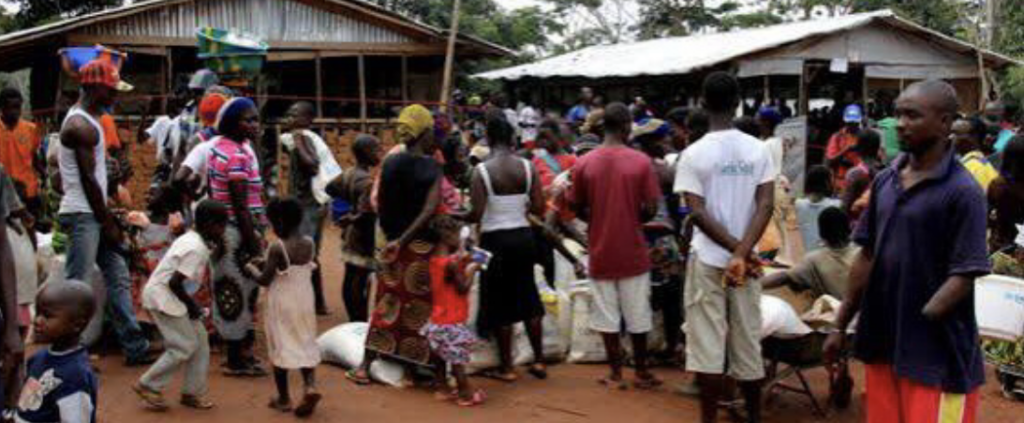
GRAND GEDEH COUNTY, Liberia – More than 111 former Ivorian refugees have begun receiving civil documentation at the PTP Refugee Camp in Grand Gedeh County, a landmark move aimed at granting them legal recognition and protection as they continue to rebuild their lives in Liberia.
The initiative, spearheaded by the Liberia Refugee Repatriation and Resettlement Commission (LRRRC) in collaboration with the Liberia Immigration Service (LIS), follows constructive dialogue between the Governments of Liberia and Côte d’Ivoire. The documentation exercise, which previously commenced at the Bahn Refugee Camp in Nimba County, is designed to provide former refugees with legal identity, access to essential services, and full participation in community life.
Speaking at the official rollout ceremony, Grand Gedeh County Superintendent Alex Chersia Grant commended the Ivorian refugees for their enduring peacefulness since their arrival in the county. He expressed gratitude for their patience and discipline over the years, noting that their conduct stands in stark contrast to refugee situations witnessed elsewhere.
“The civil national identity documents you are receiving today permanently establish your status in Liberia,” Superintendent Grant told the gathering. “Receiving these passports reinforces your national protection and ensures that the Ivorian government is now fully aware of your residency in Liberia, creating an official record for any potential future circumstances.”
Executive Order Paves Way for Mass Documentation
Cllr. Jeror Cole Bangalu, Executive Director of the LRRRC, described his first visit to the PTP camp since assuming office as deeply moving. He acknowledged longstanding concerns regarding documentation and the free movement of refugees, which had previously created insecurity and uncertainty among the community.
“We heard your numerous pleas for recognition, and we initiated a dialogue with the Commissioner General of Immigration, resulting in the delivery of processed Ivorian passports to the refugees,” Bangalu stated.
While emphasizing the importance of passports, Bangalu stressed that resident permits are equally essential for unrestricted movement. He disclosed ongoing efforts to facilitate work permits in collaboration with the Ministry of Labor, ensuring refugees can engage in lawful employment.
In a significant policy development, Bangalu revealed that President Joseph Nyuma Boakai has issued Executive Order #159, mandating the documentation of all refugees in Liberia between March 2026 and March 2027. He further announced that children born in Liberia to refugee parents will be eligible for Liberian passports, a provision expected to transform the lives of many young people who have known no other home.
Education, Health, and Gender Inclusion on Agenda
Bangalu outlined additional collaborative initiatives, including discussions with the Ministry of Health to upgrade camp health facilities and engagements with the Ministry of Gender to create inclusive job opportunities for refugee women.
He also urged stakeholders to expand educational opportunities for refugee children who have completed high school, ensuring they are not left behind as Liberia continues its development trajectory.
Immigration Service Affirms Commitment
The Deputy Commissioner of Immigration, speaking at the event, confirmed that the Liberia Immigration Service is executing President Boakai’s Executive Order #159, which instructs the issuance of civil documents to everyone residing in Liberia, including refugees.
He clarified that while ECOWAS citizens are typically required to pay for resident permits, refugees vetted by the Ivorian government will receive their permits gratis under the presidential executive order — a clear demonstration of Liberia’s humanitarian commitment.
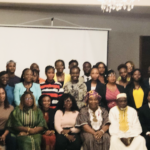
The occasion brought together representatives from the LRRRC, the Liberia Immigration Service, Grand Gedeh County local authorities, and the Ivorian refugee community — symbolizing a unified effort toward integration, rights protection, and enhanced quality of life.
Liberia’s Humanitarian Commitment
The LRRRC, established by an Act of Parliament in 1993, serves as the Government of Liberia’s principal humanitarian agency, offering international protection to refugees, stateless individuals, internally displaced persons, and other people of concern.
This proactive documentation exercise underscores Liberia’s adherence to its obligations under the 1951 Geneva Convention and the Refugee Act of 1993, which mandate refuge and support for individuals fleeing persecution and instability.
As Liberia continues to demonstrate leadership in refugee protection, the documentation of over 111 former Ivorian refugees marks a significant milestone in the country’s broader commitment to human rights, regional stability, and inclusive development.