By Jessica Cox
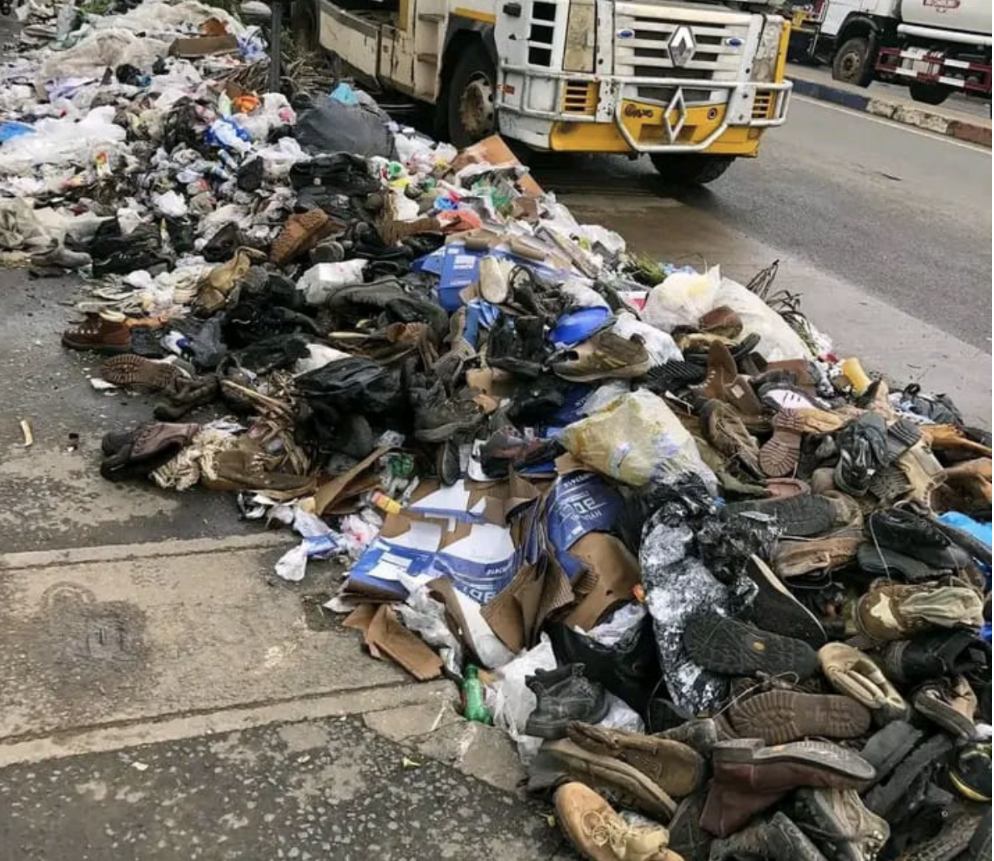
The Liberian government has issued a strong warning over the growing misuse of drainage systems along a the Japan Freeway, saying indiscriminate dumping of dirt, garbage, and other waste particularly around the Red Light commercial district—is putting one of the country’s most valuable road investments at risk.
Speaking at the Ministry of Information’s regular press briefing, Information Minister Jerolinmek Piah said the continued clogging of drainage channels is accelerating road deterioration, increasing flood risks, and undermining millions of dollars invested in modern infrastructure.
Piah described the practice as both irresponsible and unpatriotic, arguing that preserving public infrastructure is a shared responsibility between government institutions and citizens.
“Development does not end when a road is built,” the Minister said. “If people continue using drainage systems as dumping sites, the road will deteriorate much sooner than it should.”
The Japan Freeway, formerly Somalia Drive, was reconstructed with grant funding from the Government of Japan to improve traffic flow between the Freeport of Monrovia and the Red Light commercial corridor.
The highway has become one of Liberia’s busiest transport routes and is critical to the movement of goods and commuters.
However, blocked drainage systems have become an increasing concern.
Engineering experts warn that when drains are filled with dirt, plastics, and household waste, rainwater cannot flow freely.
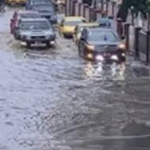
Instead, water collects beneath and alongside the pavement, gradually weakening the road’s foundation, creating potholes, and increasing maintenance costs. Persistent flooding also poses risks to motorists, nearby businesses, and surrounding communities.
Minister Piah noted that Liberia’s international development partners have also expressed concern over how existing infrastructure is being maintained.
Japan is supporting another major road project to extend the Japan Freeway from the Freeport toward the Gabriel Tucker Bridge through grant assistance aimed at improving traffic and economic activity.
Officials say protecting existing investments is essential to maintaining donor confidence and ensuring future infrastructure partnerships.
The Minister challenged residents to demonstrate greater civic responsibility by properly disposing of waste rather than using roadside drains as dumping sites.
He also urged the Paynesville City Corporation (PCC), the Monrovia City Corporation (MCC), city police, and the Liberia National Police to enforce sanitation regulations against individuals caught illegally dumping waste into drainage systems.
His comments echo concerns previously raised by engineers and public works officials, who have warned that repeated drainage blockages are shortening the lifespan of major roads despite ongoing cleaning efforts and investments in specialized drainage maintenance equipment.
While government agencies continue to clear blocked drains, officials acknowledge that maintenance alone cannot solve the problem without public cooperation and stronger law enforcement.
As Liberia prepares to expand its road network, the government says protecting completed projects is just as important as constructing new ones. Officials believe that changing public attitudes toward sanitation and enforcing existing environmental laws will be critical to preserving national infrastructure for future generations.
For thousands of motorists who rely on the Japan Freeway each day, keeping drainage systems free of garbage may determine whether one of Liberia’s most important transport corridors continues to serve the country efficiently or falls victim to preventable neglect.